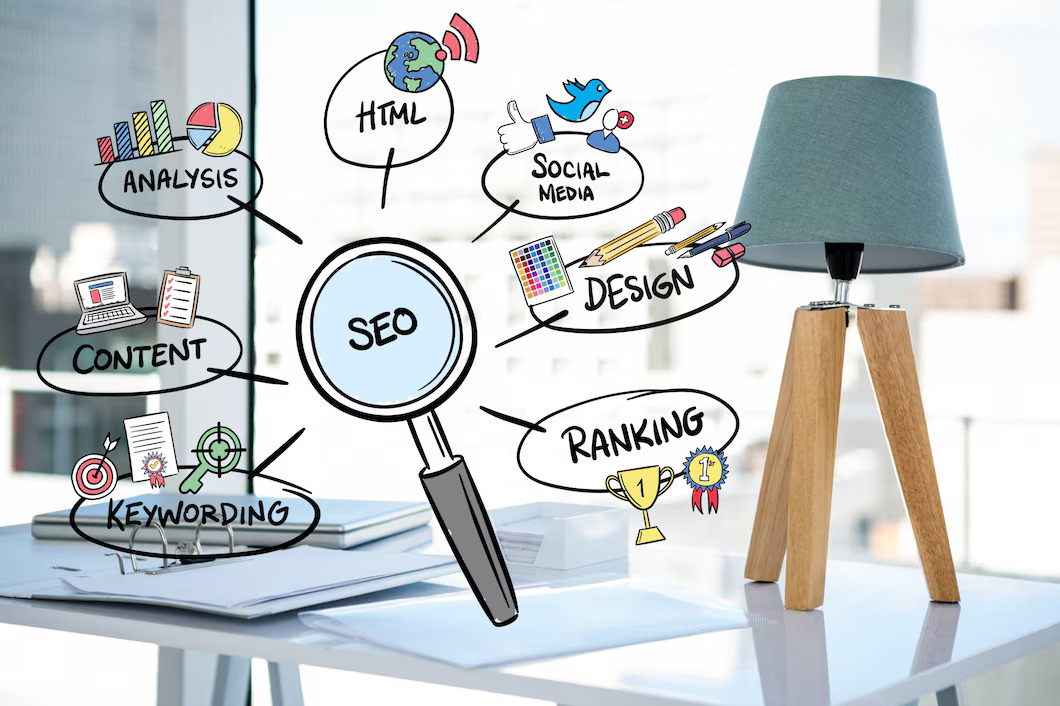
In an online world where millions of new web pages compete for attention every day, learning SEO Basics for Beginners is no longer optional—it is one of the most valuable digital skills you can develop. Whether you run a personal blog, an online store, a company website, or a portfolio, search engine optimization helps your content become more visible in Google Search and reach people who are actively searching for what you offer. This Beginner SEO guide introduces the essential concepts every website owner should understand, from keyword research and SEO content writing to On-page SEO, Off-page SEO, Technical SEO, and the latest Google ranking factors. By mastering these SEO fundamentals, you’ll build an effective SEO strategy, increase organic traffic, improve search engine rankings, and understand the SEO basics for beginners in 2026 without relying on shortcuts or outdated tactics.
Why SEO Still Matters in 2026
The internet has become more competitive than ever before. Every day, businesses publish blogs, launch new websites, and create videos hoping to appear on the first page of search results. Unfortunately, simply publishing content is not enough. If search engines cannot understand or trust your website, even excellent articles may remain invisible.
SEO bridges the gap between your content and your audience. It helps search engines understand what your pages are about while making them easier for visitors to find.
Unlike paid advertising, which stops generating visitors once the budget runs out, SEO focuses on earning sustainable visibility. A well-optimized article can continue attracting readers for months or even years after publication. This long-term value is one reason SEO remains one of the most cost-effective digital marketing strategies.
Understanding Search Engine Optimization
At its core, search engine optimization is the practice of improving a website so search engines can discover, understand, and recommend its pages to users.
Think of Google as a massive digital library. Every second, people ask questions, search for products, compare services, and look for solutions. Google’s job is to deliver the most relevant and useful answers.
Your job as a website owner is to make it easy for search engines to recognize that your content deserves to appear among those answers.
SEO focuses on three major goals:
- Helping search engines understand your website
- Providing useful information for visitors
- Building trust and authority over time
When these elements work together, your website becomes more likely to earn higher rankings.
How Google Finds Your Website
Many beginners assume Google automatically knows about every website. In reality, search engines follow a structured process before displaying pages in search results.
Crawling
The first stage involves discovering web pages. Google’s automated bots continuously travel across the internet by following links from one page to another.
This process is known as crawling and indexing.
If your website contains broken navigation or blocked pages, search engines may struggle to find important content.
Website Indexing
After discovering your pages, Google evaluates their content before adding them to its database through website indexing.
During this process, Google examines factors such as:
- Page content
- Images
- Headings
- Internal links
- Structured information
- Website quality
Pages that cannot be indexed properly rarely appear in search results.
Ranking
Once pages have been indexed, Google’s algorithm compares millions of results before deciding which pages deserve higher positions.
The ranking process considers numerous Google ranking factors, including relevance, quality, authority, and user experience.
No single factor determines rankings. Instead, search engines evaluate many signals together.
SEO Fundamentals Every Beginner Should Learn
Many people think SEO is extremely technical. Fortunately, the basic principles are straightforward.
The three primary pillars include:
On-page SEO
Everything you optimize directly on your website.
Examples include:
- Headlines
- Content
- Images
- URLs
- Keywords
- Internal links
Off-page SEO
Activities outside your website that improve credibility.
Examples include:
- Link building
- Brand mentions
- Online reviews
- Social visibility
- Industry references
Technical SEO
Behind-the-scenes improvements that help search engines access and understand your website efficiently.
Examples include:
- Fast loading pages
- Mobile responsiveness
- Secure HTTPS
- XML sitemaps
- Crawlability
Mastering these three areas forms the foundation of successful SEO.
Start with the Right SEO Strategy
A common mistake beginners make is publishing random content without a plan.
Successful websites follow a clear SEO strategy.
Instead of writing whatever comes to mind, ask yourself:
- Who is my audience?
- What problems are they trying to solve?
- Which topics matter most?
- What questions do they search for?
Once you understand your audience, your content becomes much easier to optimize.
A focused strategy also helps build topical authority, making your website more trustworthy in Google’s eyes.
Keyword Research: The Starting Point of Every SEO Campaign
Before writing any article, you need to understand what people actually search for.
This process is called keyword research.
Imagine opening a restaurant without knowing what customers enjoy eating.
Creating content without keyword research works the same way.
Instead of guessing, SEO tools reveal real search terms users type every day.
Good keyword research for beginners involves balancing three things:
- Search demand
- Competition
- Relevance
Choosing keywords only because they have high search volume often leads to disappointment.
Sometimes a lower-volume keyword brings more qualified visitors.
Understanding Search Intent
One of Google’s biggest priorities today is matching content to search intent.
Search intent simply means understanding why someone performs a search.
Consider these examples.
Someone searching:
“How to bake bread”
is looking for instructions.
Someone searching:
“Buy running shoes”
is ready to make a purchase.
The keywords may both involve products, but their intentions are completely different.
Creating content that satisfies search intent dramatically improves your chances of ranking.
Why User Experience Is Becoming More Important
Search engines no longer evaluate only keywords.
They also analyze how visitors interact with websites.
This is where User Experience (UX) becomes essential.
Imagine visiting two websites.
The first loads instantly, displays beautifully on your phone, and answers your question clearly.
The second takes ten seconds to load and is filled with intrusive advertisements.
Which one would you trust?
Google measures many of these behaviors because satisfied users usually indicate helpful content.
Improving UX benefits both visitors and search rankings.
Content Comes Before Optimization
Many beginners focus so heavily on keywords that they forget why search engines exist.
Google’s goal is to help users.
If your article genuinely solves problems, optimization becomes much easier.
High-quality content usually contains:
- Original explanations
- Practical advice
- Real examples
- Clear formatting
- Helpful visuals
- Accurate information
SEO cannot rescue weak content.
Instead, optimization helps excellent content reach a larger audience.
SEO Content Writing Isn’t Keyword Stuffing
Years ago, websites could rank simply by repeating keywords dozens of times.
Today, that approach usually harms performance.
Modern SEO content writing emphasizes readability.
Good content naturally includes relevant terms while remaining enjoyable to read.
Useful SEO content writing tips include:
- Write conversationally.
- Answer questions completely.
- Avoid repeating the same phrase unnecessarily.
- Explain concepts clearly.
- Keep paragraphs manageable.
- Use descriptive headings.
Search engines increasingly recognize natural language instead of simple keyword repetition.
Creating Pages That Search Engines Understand
Every webpage should communicate its topic clearly.
One effective approach is organizing information using logical headings.
For example:
H1 introduces the page.
H2 sections divide major topics.
H3 headings explain supporting details.
This structure helps both readers and search engines understand your content more efficiently.
Good formatting also increases readability.
Building Better On-page SEO
On-page SEO involves improving everything visitors see on your webpage.
Important elements include:
Page Titles
Every page needs a unique title describing its topic.
Titles should encourage clicks while accurately representing the content.
Headings
Clear headings improve organization and scanning.
Most readers skim before reading carefully.
Well-written headings make information easier to find.
URLs
Simple URLs work better than long complicated addresses.
Example:
example.com/seo-basics
is generally easier to understand than:
example.com/article?id=58934
Images
Images improve engagement but should also support SEO.
Always:
- Compress image size
- Use descriptive filenames
- Add alternative text
This improves accessibility while helping search engines understand visual content.
Content Optimization
Publishing an article once doesn’t mean it’s finished forever.
Content optimization involves refreshing pages by:
- Updating facts
- Adding new examples
- Expanding explanations
- Improving readability
- Answering additional questions
Search engines appreciate regularly maintained content.
Writing Better Meta Titles
Although readers don’t always notice them, page titles significantly influence search performance.
Effective Meta title optimization includes:
- Primary keyword near the beginning
- Natural wording
- Clear benefit
- Approximately 50–60 characters
A compelling title encourages users to click your page instead of competing results.
Improving Meta Descriptions
Your page description often serves as the advertisement beneath your title in search results.
Strong Meta description optimization should:
- Explain the page clearly
- Include important keywords naturally
- Encourage curiosity
- Stay within recommended length
While descriptions don’t directly determine rankings, they often improve click-through rates.
Internal Linking Builds Stronger Websites
One of the simplest SEO improvements beginners overlook is Internal linking.
Internal links connect relevant pages across your website, making navigation easier for both users and search engines.
Imagine writing an article about keyword research.
If you’ve already published articles covering content writing or technical SEO, linking between them helps readers continue learning.
Internal links also help search engines discover more of your content while strengthening your site’s overall structure.
Technical SEO Basics Explained
While content is important, Technical SEO ensures search engines can properly access and understand your website. Technical SEO basics explained include improving site speed, fixing broken links, creating XML sitemaps, using HTTPS, and ensuring proper crawling and indexing. A technically sound website helps improve website indexing and increases your chances of appearing in Google Search.
Improve User Experience with Core Web Vitals
Google values websites that provide an excellent User experience (UX). One way it measures this is through Core Web Vitals, which evaluate loading speed, visual stability, and page responsiveness. A fast-loading, mobile-friendly website not only keeps visitors engaged but also supports better search visibility and improved rankings.
Off-Page SEO and Link Building
While On-page SEO focuses on your website, Off-page SEO helps build trust through activities outside your site. The most effective strategy is Link building, where reputable websites link to your content. These External backlinks act as recommendations that signal credibility to search engines. Focus on earning links naturally by publishing useful, informative, and original content rather than buying backlinks.
Website Optimization for Better Performance
Successful Website optimization goes beyond keywords. It includes improving navigation, reducing page load time, optimizing images, and making your website easy to use on all devices. Strong SEO optimization enhances both visitor satisfaction and search engine performance.
Local SEO for Local Businesses
If your business serves customers in a specific location, Local SEO is essential. Keep your business information accurate, encourage customer reviews, and optimize your Google Business Profile. Local optimization helps nearby customers discover your business through Google Search.
Perform Regular SEO Audits
A routine SEO audit helps identify issues that may affect rankings. Check for broken links, duplicate content, slow-loading pages, missing metadata, and indexing problems. Regular audits ensure your website remains optimized as search engine algorithms continue to evolve.
How to Improve Website Rankings
If you’re wondering How to improve website rankings, focus on publishing valuable content consistently, improving page speed, strengthening Internal linking, earning quality backlinks, and updating older articles. Search engines reward websites that remain accurate, useful, and well-maintained.
How to Optimize a Website for Search Engines
Learning How to optimize a website for search engines requires balancing technical improvements with quality content. Understand Search intent, create helpful articles, optimize images and metadata, improve website speed, and ensure every page provides value to users. These SEO techniques help build long-term authority.
SEO Tips for New Websites
New websites often take time to gain visibility, but following proven SEO tips for new websites can accelerate growth:
- Focus on one niche.
- Publish high-quality content consistently.
- Perform Keyword research before writing.
- Build a logical internal linking structure.
- Optimize every page for users and search engines.
- Monitor website performance regularly.
Patience and consistency are key to building sustainable Organic traffic.
Best SEO Practices for 2026
The Best SEO practices for 2026 focus on quality rather than shortcuts. Publish original content, prioritize Content optimization, improve Core Web Vitals, maintain a mobile-friendly website, build trustworthy backlinks, and regularly update your pages. Following these practices helps improve Google Search optimization and long-term visibility.
How to Rank Higher on Google in 2026
If you want to know How to rank higher on Google in 2026, focus on creating content that genuinely helps users. Match Search intent, improve technical performance, optimize your website structure, and build authority through valuable resources. Google’s algorithms increasingly reward websites that demonstrate expertise, relevance, and a positive user experience.
Complete SEO Guide for Beginners
This Complete SEO guide for beginners shows that SEO is not about finding shortcuts—it’s about building a website that deserves to rank. By mastering SEO for beginners, applying SEO best practices, improving Website SEO, and continuously refining your SEO strategy, you create a strong foundation for lasting online success.
Conclusion
Learning SEO Basics for Beginners is one of the smartest investments you can make in 2026. From understanding SEO fundamentals and conducting Keyword research for beginners to implementing On-page SEO, Off-page SEO, and Technical SEO, every step contributes to stronger Search engine rankings and increased Organic traffic. This Google SEO ranking guide and Step-by-step SEO tutorial demonstrates that success comes from consistency, not shortcuts. By applying these SEO tips, focusing on Google Search optimization, improving Search visibility, and following the Beginner’s guide to search engine optimization, you’ll be well-equipped to grow your website and achieve long-term results in an increasingly competitive digital landscape.
About the Author