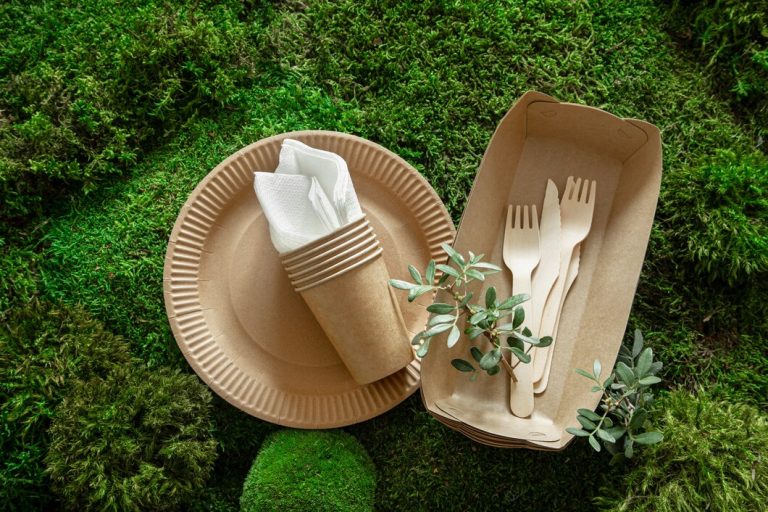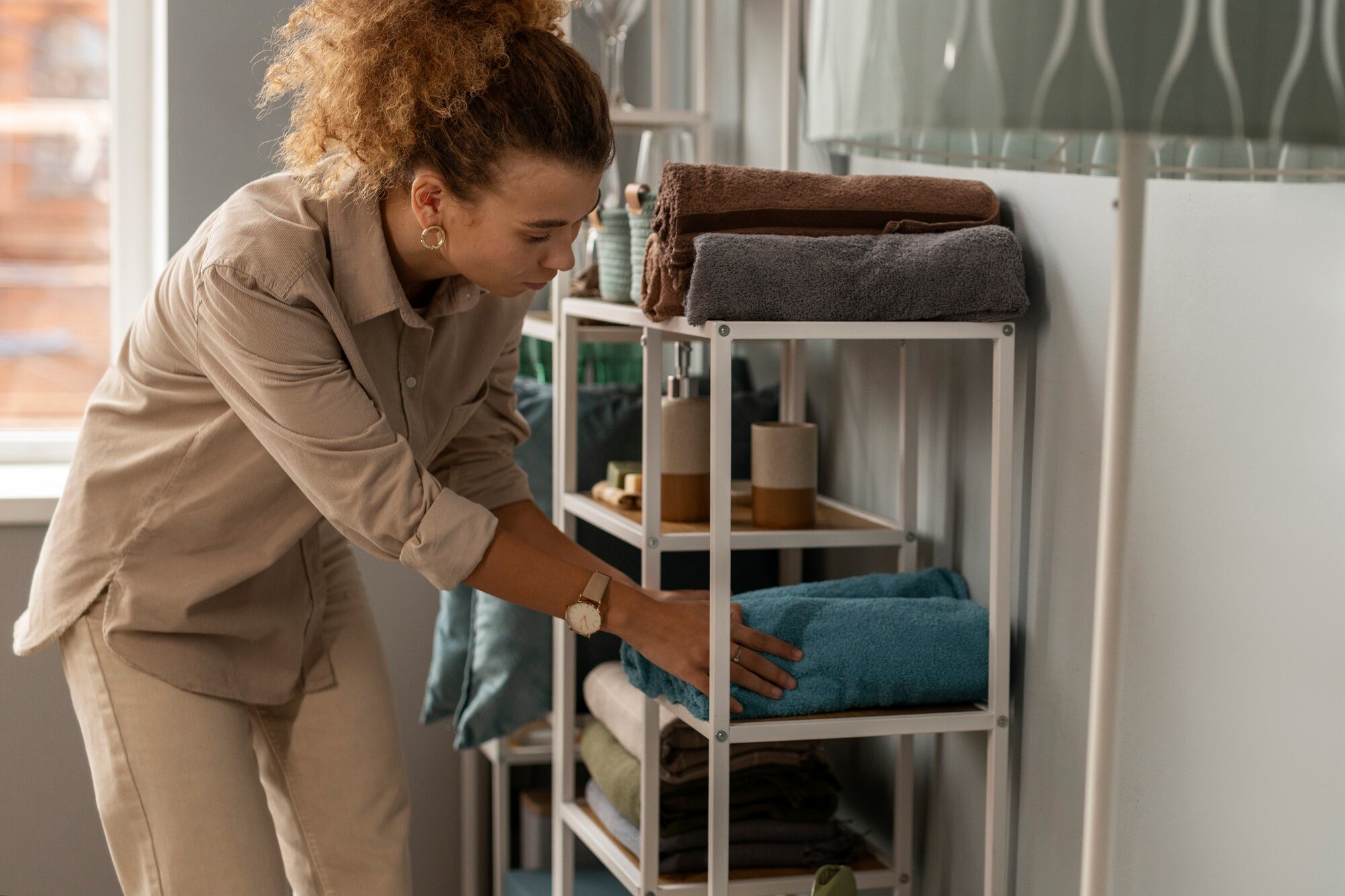
Home Organization can be much more than arranging rooms, labeling containers, and finding places for belongings. It can become a practical way to reduce waste, extend the useful life of products, and make better use of resources already available at home. Through circular home organization, families can combine reusing household items, thoughtful decluttering, and practical storage methods to create a more efficient and environmentally responsible living space. Instead of immediately throwing away unwanted objects, a circular approach asks whether they can be repaired, repurposed, donated, exchanged, recycled, or used differently. This approach supports sustainable home organization, encourages eco-friendly home organization, and makes circular living at home easier to practice every day.
What Is Circular Home Organization?
Traditional organization often focuses on buying storage products to make a home look cleaner. While storage can be useful, purchasing new organizers for every problem may create unnecessary consumption. Circular home organization takes a different approach. It considers how existing belongings can remain useful for as long as possible.
For example, an empty glass jar can become a container for spices, buttons, seeds, or craft supplies. An old wooden box can become a shelf or drawer organizer. Worn clothing can become cleaning cloths, while sturdy cardboard boxes can be reused for storage.
The basic idea is simple: use what you already have before buying something new.
This philosophy supports the principles of the circular economy by keeping materials and products in use rather than treating them as disposable. At a household level, it can also make organization more affordable because many useful storage solutions can be created from objects that are already available.
Why Reusing Household Items Matters
Modern homes contain hundreds of everyday objects. Packaging, containers, furniture, clothing, kitchenware, electronics, and household accessories can accumulate quickly. When unwanted items are discarded without considering alternatives, valuable materials may be wasted.
Reusing household items helps extend their functional life. A product does not necessarily become useless simply because it is no longer needed for its original purpose. Finding another application can prevent unnecessary purchases and reduce the volume of waste leaving the household.
There are several advantages to household item reuse, including:
- Reducing the number of usable products sent to landfill or disposal systems.
- Lowering demand for newly manufactured storage products.
- Saving money by using existing materials.
- Encouraging creativity and resourcefulness.
- Making decluttering more purposeful.
- Supporting sustainable household practices.
- Creating personalized storage systems.
- Encouraging responsible consumption habits.
The objective is not to keep everything simply because it might be useful someday. Instead, the goal is to identify realistic opportunities for reuse while still maintaining an uncluttered home.
Start With Decluttering and Reuse
Decluttering and reuse work particularly well together. Conventional decluttering often involves sorting belongings into categories such as keep, donate, sell, recycle, and discard. A circular approach adds another question:
Can this item be used again in its current form or transformed into something useful?
Begin with one small area rather than attempting to reorganize the entire home. A kitchen cabinet, bathroom drawer, wardrobe shelf, or home office can be a good starting point.
Separate items into practical categories:
- Items that are used regularly.
- Items that can be repaired.
- Items that can be reused for another purpose.
- Items suitable for donation or resale.
- Items that require appropriate recycling or disposal.
This method prevents useful objects from being discarded simply because they no longer fit their original purpose.
Creative Ways to Reuse Household Items
There are countless creative ways to reuse household items, but the best solutions are usually simple and practical.
Glass Jars
Glass jars from food products can become storage containers for dry ingredients, herbs, craft materials, small hardware, or bathroom accessories. Labels can make them easier to identify and create a consistent organizational system.
Before reusing jars, clean them properly and make sure they are appropriate for the intended purpose.
Cardboard Boxes
Strong cardboard boxes can be used to organize closets, cabinets, children’s materials, documents, or seasonal decorations. Smaller boxes can be cut and arranged into drawer dividers.
Rather than purchasing plastic organizers immediately, examine the packaging already available in your home.
Old T-Shirts
Damaged cotton T-shirts can be transformed into cleaning cloths. They can also be cut into reusable fabric pieces for simple craft projects.
This is a straightforward example of upcycling household items, where an unwanted object is modified so it can provide continued value.
Wooden Crates
Old wooden crates can become shelves, magazine holders, plant stands, or storage units. When properly cleaned and maintained, they can add both functionality and character to a room.
Fabric Scraps
Unused fabric can become reusable gift bags, drawer liners, storage pouches, or cleaning cloths. Keeping fabric scraps organized in one container makes them easier to find when a project arises.
Repurposing Household Items Instead of Buying New Ones
Repurposing household items is one of the most accessible circular strategies. It involves assigning a new function to something that is no longer needed for its original role.
For instance, an old mug with a damaged handle may still be suitable as a desk organizer if it is safe to handle. An unused picture frame can become a display board. A retired suitcase can provide storage for seasonal clothing or travel accessories.
However, repurposing should be practical. Keeping dozens of objects because they might become useful can create another form of clutter. Before keeping an item, consider whether you have a specific purpose for it and whether you are likely to use it.
Upcycling Household Items for Better Storage
Upcycling household items takes reuse one step further by improving or transforming an existing product.
Examples include:
- Turning old wooden furniture into storage cabinets.
- Converting fabric scraps into storage baskets.
- Using leftover timber to create simple shelves.
- Transforming tins into holders for stationery.
- Converting unused containers into bathroom organizers.
- Turning old baskets into wall-mounted storage.
- Using discarded drawers as under-bed storage.
Upcycling can also make organizational systems more personal. Instead of purchasing identical organizers, you can create storage that fits a particular space, style, and purpose.
Sustainable Storage Solutions
Good sustainable storage solutions do not always require new products. The first step is to understand what needs to be stored and then look for existing objects that can perform the required function.
For example, if a drawer contains many small objects, you may need compartments rather than an entirely new storage unit. Small reusable containers or cardboard dividers may solve the problem.
When purchasing storage is genuinely necessary, consider durability, repairability, recycled content, material quality, and long-term usefulness.
Choose products that are designed to remain useful for years rather than inexpensive items that may quickly break and become waste.
Eco-Friendly Storage Ideas for Different Rooms
Different areas of the home require different approaches to organization.
Kitchen
The kitchen is one of the easiest places to practice circular organization. Reusable jars can store dry foods, while durable containers can help organize leftovers and pantry ingredients.
Avoid automatically purchasing new containers when existing jars or food-safe storage products can perform the same function.
Bedroom
Wardrobes can benefit from a reuse-first approach. Before buying additional organizers, review clothing and accessories that are rarely used.
Old storage boxes can hold seasonal items, while fabric bags can organize smaller accessories.
Bathroom
Small reusable containers can organize personal-care accessories where appropriate. Old jars or containers may also work for non-food items such as cotton materials, hair accessories, or craft supplies, provided they are clean and suitable for the intended use.
Home Office
Paper packaging, boxes, and containers can become useful organizers for stationery, cables, documents, and craft supplies. Before purchasing desk organizers, examine what you already have.
Creating a Zero-Waste Home Organization System
Zero-waste home organization does not mean that every household must produce literally zero waste. Rather, it focuses on reducing unnecessary consumption and avoiding avoidable disposal.
A useful system can follow a simple hierarchy:
Use → Reuse → Repair → Repurpose → Donate → Recycle → Dispose
Using an item for its original purpose generally requires the fewest additional resources. Reuse extends its life without major changes. Repair keeps products functioning. Repurposing gives them a new role. Donation or resale allows someone else to use them. Recycling should be considered when continued use is no longer practical.
This approach can support waste-free home organization while keeping the process realistic.
Reusable Household Items and Everyday Habits
Choosing reusable household items can reduce reliance on disposable products. Reusable shopping bags, food containers, cloth towels, refillable bottles, durable cleaning cloths, and washable storage bags can all support more circular household routines.
The most sustainable reusable product, however, is often one that you already own and actually use.
Buying excessive quantities of supposedly eco-friendly products can still contribute to unnecessary consumption. A better strategy is to identify disposable items that are regularly used and gradually replace them with durable alternatives when existing products reach the end of their useful life.
Circular Economy at Home
The concept of the circular economy at home can seem complicated, but its household application is straightforward. Instead of following a linear pattern of buying, using, and throwing away, households can try to keep products and materials circulating for longer.
For example:
Purchase → Use → Maintain → Repair → Reuse → Repurpose → Share/Donate → Recycle
Maintenance is particularly important because taking care of furniture, appliances, clothing, and household equipment can significantly extend their useful lives.
A circular household also considers whether something needs to be purchased at all. Borrowing, renting, exchanging, buying second-hand, or sharing items can sometimes be better alternatives to purchasing products that will rarely be used.
Sustainable Home Management
Sustainable home management involves making everyday household decisions with resource use, longevity, waste, and practicality in mind.
This can include:
- Maintaining appliances properly.
- Repairing damaged furniture when practical.
- Donating useful unwanted belongings.
- Buying durable products.
- Avoiding unnecessary duplicate purchases.
- Reusing packaging.
- Choosing refillable products.
- Organizing food to reduce spoilage.
- Sharing rarely used equipment.
- Recycling materials through appropriate local systems.
Organization plays an important role because people are less likely to purchase duplicates when they can easily see what they already own.
A well-organized pantry, for example, makes it easier to identify existing ingredients. An organized tool drawer reduces the chance of buying another tool unnecessarily.
Reducing Household Waste Through Better Organization
Reducing household waste is not only about recycling. It also involves preventing waste before it is created.
Poor organization can contribute to waste in several ways. Forgotten food can expire, duplicate products can accumulate, and useful items can be misplaced until they are no longer wanted.
Better organization creates visibility.
Use clear categories and simple storage systems so that frequently used belongings remain accessible. Keep similar products together and avoid overly complicated arrangements that are difficult to maintain.
A system that takes only a few seconds to put something away is more likely to remain effective over time.
A Practical Reuse Station
One useful idea is to create a small “reuse station” in the home. This can be a shelf, basket, or cabinet where reusable materials are kept temporarily.
It might contain:
- Clean jars.
- Reusable boxes.
- Fabric scraps.
- Spare containers.
- Gift packaging.
- Reusable bags.
- Repair materials.
- Small pieces of cardboard.
- Useful packaging materials.
The key is to keep this collection limited. Review it periodically and remove anything that has remained unused for too long.
The purpose is to make reuse convenient, not to create another clutter zone.
Make Reuse Part of Decluttering
When decluttering, avoid assuming that every unwanted item belongs in the trash.
Ask a sequence of questions:
Can I still use it?
If not:
Can I repair it?
If repair is impractical:
Can someone else use it?
If not:
Can I repurpose it?
And finally:
Can its materials be recycled or responsibly disposed of?
This approach transforms decluttering from a disposal exercise into a resource-management process.
When Reuse Is Not the Right Choice
Circular living does not mean forcing every object into another use. Some products may be damaged, contaminated, unsafe, or unsuitable for reuse.
Safety should always come first. Items that can pose health, electrical, structural, fire, or contamination risks should not be reused simply to avoid disposal.
Similarly, keeping excessive quantities of unwanted objects can undermine the purpose of organization. A circular home should remain functional and comfortable.
The goal is intentional reuse, not endless accumulation.
Building Circular Living at Home
Circular living at home becomes easier when small habits are repeated consistently.
Start with one room. Identify items that are frequently thrown away or unnecessarily purchased. Find realistic alternatives using what is already available.
For example, you might begin by reusing glass jars in the kitchen. Once that becomes routine, you can explore repairing clothing, reusing packaging, donating unused belongings, or creating DIY storage solutions.
Small changes can gradually influence purchasing decisions and household habits.
A Long-Term Approach to Sustainable Home Organization
The most effective eco-friendly home organization system is one that can be maintained. It does not need to look perfect, and it does not require expensive products.
Focus on five principles:
1. Buy Less
Before purchasing an organizer, check whether you already have something that can solve the problem.
2. Use Longer
Take care of belongings so they remain functional for as long as possible.
3. Repair More
Repairing a broken item can be preferable to immediately replacing it when repair is practical and safe.
4. Reuse Creatively
Look for new purposes for suitable unwanted objects through everyday household item reuse.
5. Dispose Responsibly
When an item has genuinely reached the end of its useful life, explore appropriate donation, recycling, collection, or disposal options.
Conclusion
Home Organization can become a powerful part of sustainable living when it moves beyond simply making rooms look tidy. Circular home organization encourages households to rethink how they use, store, repair, share, and dispose of everyday belongings. Through reusing household items, repurposing household items, and upcycling household items, families can reduce unnecessary consumption while creating practical and personalized spaces.
From turning jars into organizers to transforming old furniture into storage, there are many creative ways to reuse household items without making sustainability complicated. Combining decluttering and reuse, sustainable storage solutions, and responsible purchasing can support zero-waste home organization and sustainable home management.
Ultimately, the goal of circular economy at home practices is not perfection. It is about making thoughtful choices that keep useful products in circulation, minimize unnecessary waste, and make the most of resources already available. With consistent habits, sustainable household practices can become a natural part of everyday life, creating a home that is organized, functional, economical, and more environmentally responsible.
About the Author