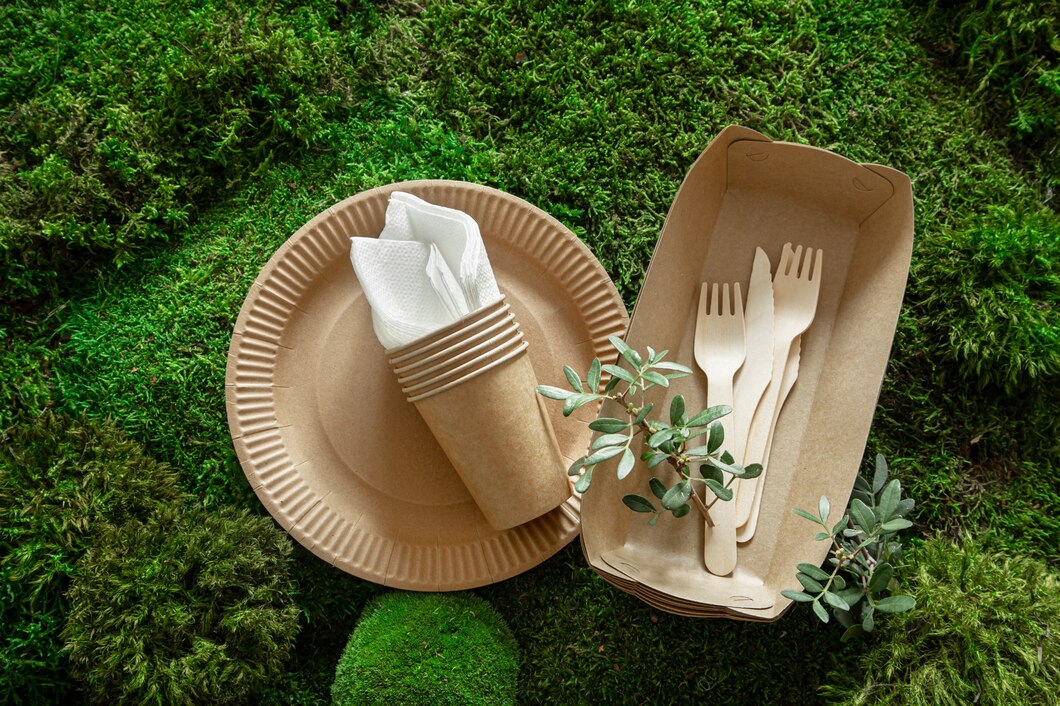
As consumers become more conscious of how everyday purchases affect the environment, eco-friendly packaging has become an important consideration when choosing products. Packaging protects products during storage and transportation, but excessive layers, unnecessary plastic, and difficult-to-recycle materials can create significant waste. Choosing products with minimal waste packaging can help reduce unnecessary disposal while encouraging manufacturers to develop better solutions. From recyclable boxes and recycled paper to compostable materials and reusable containers, there are many options for making more responsible purchasing decisions. Understanding what makes packaging genuinely sustainable can help consumers move beyond attractive environmental claims and make choices that create less waste.
What Is Eco-Friendly Packaging?
Eco-friendly packaging refers to packaging designed with environmental impact in mind throughout its life cycle. This can include how the material is sourced, how much material is used, whether it can be reused or recycled, and what happens to it after the product is consumed.
Good environmentally friendly packaging does not necessarily mean that every component is completely biodegradable or compostable. Different materials have different environmental benefits and limitations.
For example, a lightweight recyclable package may sometimes be preferable to a heavier alternative because it requires fewer resources to manufacture and transport. Similarly, a durable reusable packaging system can reduce waste when customers actually use the container repeatedly.
The most effective approach is therefore to consider the complete packaging system rather than focusing on one environmental feature.
Why Sustainable Packaging Matters
Traditional packaging often relies heavily on materials that are used briefly and then discarded. When packaging contains multiple layers or materials that cannot be separated, recycling can become difficult.
Sustainable packaging aims to reduce these problems by considering resource consumption, waste generation, transportation, reuse, recycling, and disposal.
Businesses can also benefit from adopting responsible packaging. Customers increasingly pay attention to how companies handle environmental issues, while efficient packaging can reduce material costs, shipping weight, and storage requirements.
The benefits of eco-friendly packaging can therefore extend beyond environmental considerations. Thoughtful packaging can improve brand perception, reduce unnecessary expenses, and encourage customers to develop more sustainable habits.
Key Features of Environmentally Friendly Packaging
When evaluating packaging, look for several characteristics rather than relying on one label.
1. Reduced Material Use
One of the simplest approaches to waste reduction is using less material in the first place.
A product does not necessarily need a large box, plastic wrap, foam inserts, and additional decorative packaging. Packaging with less waste can protect the product while eliminating unnecessary components.
Reducing the amount of material used can lower manufacturing requirements and decrease the amount of waste generated after purchase.
2. Recyclability
Recyclable packaging can be processed and converted into materials that may be used again. Paper, cardboard, glass, and certain plastics can be recyclable depending on local recycling systems.
However, consumers should not assume that every package marked as recyclable will actually be recycled. Local collection programs, contamination, material combinations, and recycling infrastructure all influence what can be processed.
Look for clear recycling information and check local guidelines before purchasing products in large quantities.
3. Recycled Content
Recycled packaging uses materials recovered from previous products or manufacturing waste.
For example, recycled paperboard can be used to make boxes and cartons. Using recycled content can help create demand for recovered materials and reduce dependence on virgin resources.
When possible, check whether a product provides information about the percentage of recycled content rather than simply using a general environmental claim.
4. Reusability
Reusable packaging is designed to be used multiple times rather than discarded after one use.
Glass jars, durable containers, refillable bottles, and sturdy fabric bags are common examples.
The environmental benefit depends on actual reuse. A durable container that is used once and discarded may not provide the same advantage as one that replaces dozens of disposable packages.
Sustainable Packaging Materials to Consider
The choice of material is an important part of responsible packaging design.
Paper and Cardboard
Paper-based packaging is widely used because paper and cardboard are lightweight, versatile, and commonly accepted through recycling systems.
Boxes made from recycled cardboard can be an effective choice for shipping and retail products.
However, paper packaging is not automatically sustainable. Excessive coatings, plastic laminations, metallic layers, and chemical treatments can make recycling more difficult.
Look for simple paper-based designs whenever they provide sufficient protection.
Glass
Glass can be reused and recycled in many locations. It is also useful for food, beverages, cosmetics, and household products.
Its major disadvantage is weight. Heavier packaging can require more energy during transportation.
For local or reusable applications, glass can be an excellent option. For products that travel long distances, material weight should be considered alongside recyclability.
Aluminum
Aluminum is lightweight, durable, and recyclable. It can be found in beverage containers, food packaging, personal-care products, and other applications.
Because aluminum can often be recovered and recycled, it can play a role in recyclable packaging solutions.
However, producing new aluminum requires significant resources, making recycled content particularly valuable.
Plant-Based Materials
Some packaging uses plant-derived materials such as starch, cellulose, bamboo, or agricultural by-products.
These can be used in certain eco-friendly packaging solutions, although their environmental performance depends on how they are produced and disposed of.
A plant-based material is not automatically compostable or environmentally superior. Consumers should look for clear disposal instructions and relevant certifications.
Biodegradable vs. Compostable Packaging
The terms biodegradable and compostable are often used interchangeably, but they are not exactly the same.
Biodegradable packaging is made to decompose naturally with the help of microorganisms and other biological processes. However, the time and conditions required for decomposition can vary considerably.
Compostable packaging is intended to break down into compost under appropriate composting conditions.
Some compostable packaging requires industrial composting facilities rather than a typical household compost bin. If suitable facilities are unavailable in your area, the expected environmental benefit may not be achieved.
Before choosing biodegradable packaging for products, check how it should be disposed of and whether appropriate facilities are available.
What Is Minimal Waste Packaging?
Minimal waste packaging focuses on reducing unnecessary materials while still protecting the product.
A minimal approach might involve:
- Eliminating unnecessary outer boxes
- Removing duplicate protective layers
- Using appropriately sized containers
- Replacing single-use inserts with recyclable alternatives
- Reducing empty space
- Choosing concentrated products that require smaller containers
- Offering refill systems
- Avoiding unnecessary decorative elements
The objective is not simply to make packaging smaller. It is to find the right balance between product protection and material efficiency.
Low-Waste Packaging vs. Zero-Waste Packaging
The phrase low-waste packaging is often more realistic than zero-waste packaging.
Almost every product requires some form of protection, transportation, labeling, or containment. Completely eliminating packaging may not always be practical and could sometimes result in greater product damage.
Zero-waste packaging generally refers to systems designed to prevent packaging from becoming disposable waste, often through reuse, refill, recycling, or composting.
Instead of expecting every product to achieve literal zero waste, consumers can focus on reducing unnecessary materials and choosing packaging that remains useful for as long as possible.
How to Choose Eco-Friendly Packaging
Learning how to choose eco-friendly packaging requires looking beyond marketing language.
Start by asking several questions:
- Is the packaging necessary?
- How much material does it use?
- Can it be reused?
- Is it recyclable where I live?
- Does it contain recycled content?
- Can different materials be separated?
- Is it compostable under realistic local conditions?
- Does it contain unnecessary plastic?
- Can the package be refilled?
- Does the manufacturer provide clear disposal information?
These questions make choosing sustainable packaging products much easier.
How to Identify Sustainable Packaging
Knowing how to identify sustainable packaging can prevent consumers from being misled by vague environmental language.
Look for specific information rather than broad statements.
For example, “made with 80% recycled paperboard” provides more useful information than simply saying “green packaging.”
Similarly, a package described as compostable should ideally explain whether it requires home composting or commercial composting.
Consider the entire product system, including the material, quantity, transportation requirements, reuse potential, and end-of-life options.
Eco-Friendly Alternatives to Plastic Packaging
Plastic remains widely used because it is inexpensive, lightweight, flexible, and effective at protecting products. However, consumers looking for eco-friendly alternatives to plastic packaging have several options.
Paper-Based Packaging
Paper and cardboard can replace plastic boxes, sleeves, mailers, and some protective inserts.
Glass Containers
Glass can be useful for foods, beverages, cosmetics, and household products, particularly when containers are designed for repeated use.
Metal Containers
Aluminum and steel can provide durable packaging for many products and can be recyclable through appropriate systems.
Refillable Systems
Instead of replacing an entire package, customers can purchase refills and continue using the original container.
Fabric Packaging
Reusable fabric bags and wraps can replace certain disposable bags and packaging materials when they are used repeatedly.
The best alternative depends on the product. Packaging must still protect the contents from contamination, damage, moisture, and other risks.
Plastic-Free Packaging: Is It Always Better?
Plastic-free packaging can be appealing to environmentally conscious consumers, but removing plastic should not automatically be considered the only measure of sustainability.
A plastic-free package may require more material, be heavier, or provide less protection. If a fragile product breaks during transportation, the environmental impact of the damaged product may outweigh the packaging benefit.
A better approach is to evaluate material efficiency, durability, reuse, recyclability, and the entire life cycle.
The goal should be responsible packaging rather than simply eliminating one material category.
How to Reduce Packaging Waste at Home
Consumers can take several practical steps to reduce packaging waste.
Buy Products With Less Packaging
When two similar products provide comparable quality, consider choosing the one with fewer packaging layers.
Choose Larger Sizes When Appropriate
For products that do not spoil quickly, larger containers can sometimes reduce packaging per unit of product.
However, buying excessive quantities that eventually expire defeats the purpose.
Select Refill Products
Refill systems can reduce the need to purchase a new primary container each time.
Reuse Containers
Before throwing away a sturdy jar or container, consider whether it can serve another purpose.
Recycle Correctly
Follow local recycling guidelines and keep recyclable materials clean when required.
Avoid Unnecessary Extras
Decorative boxes, individually wrapped items, and excessive protective layers may contribute unnecessary waste.
Minimal Waste Packaging Ideas for Everyday Shopping
There are many practical minimal waste packaging ideas that consumers can incorporate into their shopping habits.
Choose loose produce instead of heavily packaged produce when practical. Carry reusable shopping bags. Select concentrated household products when suitable. Look for refill stations and products sold in reusable containers.
When ordering products online, consider companies that use appropriately sized shipping boxes and recyclable paper cushioning instead of unnecessary plastic fillers.
Small choices become more meaningful when they become consistent habits.
Sustainable Packaging for Products: What Businesses Should Consider
Companies looking for sustainable packaging for products should begin by examining the entire packaging process.
Businesses can reduce packaging waste by:
- Measuring how much packaging each product requires
- Removing unnecessary layers
- Reducing empty space in shipping boxes
- Using recycled materials
- Designing packages for easy recycling
- Offering refill systems
- Developing reusable packaging programs
- Choosing responsibly sourced materials
- Providing clear disposal instructions
These approaches can form the foundation of effective sustainable packaging ideas for businesses.
Packaging design should also consider transportation. Smaller and lighter packages may require less storage and transportation space, potentially improving logistical efficiency.
Sustainable Product Packaging and Product Protection
Packaging has an important purpose: protecting products.
Food packaging, medical products, electronics, cosmetics, and fragile goods may require specialized protection. Removing too much packaging can result in damage, contamination, spoilage, or product loss.
Therefore, sustainable product packaging should balance environmental considerations with product safety and performance.
For example, a small amount of protective material that prevents a fragile item from breaking may be more sensible than eliminating protection entirely.
The goal is optimized packaging, not simply the smallest possible package.
The Benefits of Sustainable Packaging
There are many potential benefits of eco-friendly packaging for both consumers and businesses.
Less Waste
Using fewer materials can reduce the amount of waste entering disposal systems.
Resource Conservation
Using recycled or responsibly sourced materials can reduce demand for virgin resources.
Better Transportation Efficiency
Lightweight and appropriately sized packaging can reduce unnecessary shipping volume.
Consumer Appeal
Many consumers appreciate companies that demonstrate thoughtful environmental practices.
Brand Differentiation
Responsible packaging can help a business stand out in a competitive market.
Long-Term Efficiency
Reducing excess material can sometimes lower packaging and transportation costs.
Common Mistakes When Choosing Green Packaging
Even environmentally conscious consumers can make mistakes.
One common mistake is assuming that every product labeled green packaging is automatically sustainable.
Another is focusing exclusively on whether a material is biodegradable.
A third mistake is ignoring packaging quantity. A recyclable package can still create unnecessary waste if a product contains multiple layers that serve little purpose.
Consumers should also avoid assuming that “natural,” “plant-based,” or “eco” automatically means environmentally friendly.
Instead, look for measurable information about materials, manufacturing, reuse, recycling, and disposal.
Building Better Packaging Habits
You do not need to replace everything in your home immediately. Start with products you purchase regularly.
For example, when buying household cleaners, look for refill options. When purchasing food, consider products with recyclable or reusable containers. When shopping online, prioritize companies that minimize shipping materials.
Over time, these choices can become normal parts of your shopping routine.
The most effective eco-friendly packaging with minimal waste is packaging that prevents unnecessary material use while providing the protection the product genuinely needs.
A Simple Checklist for Choosing Better Packaging
Before purchasing a product, ask yourself:
- Is the packaging necessary?
- Is there an option with less material?
- Can I reuse the container?
- Is the material recyclable locally?
- Does it contain recycled content?
- Can I separate different packaging materials?
- Is the package compostable under available conditions?
- Can I buy a refill?
- Is there an eco-friendly alternative that provides similar performance?
- Does the company explain its packaging choices clearly?
This simple evaluation can make sustainable packaging easier to recognize.
The Future of Sustainable Packaging
Packaging is evolving as businesses explore new materials, reusable delivery models, refill systems, improved recycling technologies, and more efficient package designs.
Future eco-friendly packaging solutions are likely to focus increasingly on reducing material use, improving recyclability, increasing recycled content, and designing systems around reuse.
Consumers can influence this transition through purchasing choices. When customers consistently choose products with efficient and responsible packaging, businesses have stronger incentives to improve their packaging systems.
At the same time, manufacturers must ensure that environmental claims are supported by meaningful information rather than vague marketing.
Final Thoughts
Choosing better packaging does not require perfection. The most practical approach is to reduce unnecessary materials, prioritize reuse when realistic, choose recyclable or recycled options where appropriate, and understand how different materials should be disposed of.
From recyclable packaging solutions and paper-based packaging to compostable packaging, refill systems, and reusable packaging, consumers have many choices available today.
The key is to consider the complete life cycle of a package rather than focusing on one environmental label. Good sustainable materials should be selected based on the product’s requirements, local waste infrastructure, transportation needs, and realistic end-of-life options.
Whether you are a consumer trying to purchase plastic-free products or a business developing sustainable packaging ideas for businesses, the same principle applies: use only what is necessary, choose materials thoughtfully, and keep products and packaging in use for as long as possible.
By making informed choices and practicing packaging waste reduction, individuals and businesses can move toward a more efficient packaging culture. The goal is not simply to replace one material with another, but to rethink how products are packaged from the beginning.
Ultimately, zero-waste packaging may not be practical for every product or situation, but reducing unnecessary packaging is achievable. Every package that is eliminated, reused, recycled, or designed more efficiently represents an opportunity to reduce waste and make everyday consumption more responsible.
About the Author