The Circular economy is transforming the way people, businesses, and governments think about production, consumption, and sustainability. If you’ve ever wondered what is a circular economy or searched for the circular economy meaning, you’re not alone. Simply put, a circular economy is an economic system designed to eliminate waste, keep products and materials in use for as long as possible, and regenerate natural resources.
This guide provides a circular economy explained in simple terms while highlighting the benefits of circular economy, why circular economy matters, and how the circular economy model supports a more sustainable economy. Understanding the circular economy principles can help individuals and organizations improve resource efficiency, adopt better waste reduction strategies, and embrace sustainable resource management for a healthier planet and stronger economy.
What Is a Circular Economy?
A circular economy is an economic model that focuses on designing products and systems so that materials remain in use for as long as possible. Instead of following the traditional “take, make, use, and throw away” approach, the circular economy promotes repairing, reusing, refurbishing, remanufacturing, and recycling.
Unlike conventional production methods, the circular economy minimizes waste while maximizing the value of materials. Every product is viewed as a valuable resource rather than something destined for a landfill.
The primary goal is to create an economy where economic growth is separated from excessive resource consumption and environmental degradation.
Circular Economy Meaning
The circular economy meaning revolves around creating closed-loop systems where resources continuously circulate instead of becoming waste.
In this model:
- Products are designed to last longer.
- Materials are reused repeatedly.
- Waste becomes a resource.
- Natural systems are restored.
- Renewable resources are prioritized.
This creates a more resilient and sustainable economic system that benefits businesses, consumers, and the environment.
Circular Economy Explained Simply
For anyone looking for a circular economy for beginners, think about a glass bottle.
In a linear economy:
- Raw materials are extracted.
- A bottle is manufactured.
- It is used once.
- It is thrown away.
In a circular economy:
- The bottle is reused multiple times.
- If damaged, it is repaired or remanufactured.
- When it reaches the end of its life, it is recycled into new bottles.
This simple example demonstrates how does the circular economy work by keeping materials in continuous circulation instead of creating waste.
Linear Economy vs Circular Economy
Understanding the linear economy vs circular economy helps explain why the transition is so important.
| Linear Economy | Circular Economy |
| Take, make, dispose | Reduce, reuse, recycle |
| Heavy resource extraction | Resource conservation |
| High waste generation | Waste minimization |
| Short product lifespan | Extended product life cycle |
| Pollution increases | Environmental protection |
| One-time use | Continuous reuse |
The difference between linear and circular economy lies in how resources are valued.
A linear model assumes endless resources, while a circular model recognizes that natural resources are limited and should be preserved.
Why Circular Economy Matters
Many people ask, what is a circular economy and why does it matter?
The answer lies in today’s global challenges.
Growing populations, increasing consumption, climate change, pollution, and declining natural resources have made traditional economic systems unsustainable.
The importance of circular economy includes:
- Conserving natural resources
- Reducing landfill waste
- Lowering greenhouse gas emissions
- Creating new employment opportunities
- Supporting sustainable economic growth
- Protecting biodiversity
- Encouraging innovation
Without adopting circular approaches, future generations may face severe shortages of essential resources.
Circular Economy Principles
Several core circular economy principles guide businesses and governments worldwide.
1. Design Out Waste
Products should be created to minimize waste from the very beginning.
Good design includes:
- Durable materials
- Repairability
- Easy disassembly
- Recyclable components
2. Keep Products in Use
Extending the product life cycle is one of the biggest goals.
Instead of replacing products immediately, businesses encourage:
- Repair
- Maintenance
- Refurbishment
- Resale
- Sharing
3. Regenerate Natural Systems
The circular economy supports ecosystems through:
- Renewable agriculture
- Reforestation
- Composting
- Restoring biodiversity
This helps replenish the environment instead of exhausting it.
How Does the Circular Economy Work?
Many wonder how does the circular economy work in practice.
The process follows several stages:
Product Design
Manufacturers design products for durability and repair.
Responsible Production
Businesses adopt sustainable production methods using fewer raw materials and renewable energy.
Responsible Consumption
Consumers purchase products designed to last and repair them whenever possible.
Recycling and Reuse
Products are collected after use for recycling and reuse instead of disposal.
Resource Recovery
Materials become inputs for manufacturing new products.
This continuous cycle minimizes waste while maximizing value.
Benefits of Circular Economy
The benefits of circular economy are wide-ranging.
Environmental Benefits
- Reduced pollution
- Cleaner oceans
- Lower landfill waste
- Reduced carbon emissions
- Better air quality
Economic Benefits
The benefits of adopting a circular economy include:
- Lower production costs
- Greater resource security
- Reduced material dependency
- New revenue streams
- Increased competitiveness
Social Benefits
Communities benefit through:
- Green jobs
- Improved public health
- Cleaner cities
- Better waste management systems
- Sustainable economic development
Circular Economy Model
The circular economy model replaces wasteful production with regenerative systems.
Its major components include:
- Product design
- Material recovery
- Renewable energy
- Recycling systems
- Sharing platforms
- Repair services
- Refurbishment industries
Every stage aims to reduce waste while improving value creation.
Circular Business Model
A circular business model allows companies to earn profits while minimizing environmental impact.
Examples include:
Product-as-a-Service
Customers pay for usage instead of ownership.
Examples include:
- Car sharing
- Equipment leasing
- Subscription appliances
Repair Services
Businesses generate income by repairing products instead of replacing them.
Refurbishment
Used products are restored and resold.
Material Recovery
Companies recover valuable materials for manufacturing new products.
These models improve sustainability while creating additional business opportunities.
Circular Economy Examples
Real-world circular economy examples show that the concept is already working.
Clothing Industry
Brands collect used garments for recycling into new textiles.
Electronics
Manufacturers refurbish smartphones and laptops for resale.
Automotive Industry
Car parts are remanufactured instead of discarded.
Furniture
Old furniture is repaired, refinished, and reused.
Food Industry
Organic waste becomes compost or renewable energy.
These examples demonstrate how industries can reduce waste while creating value.
Circular Economy in Sustainable Development
The circular economy in sustainable development supports long-term environmental, social, and economic goals.
It contributes to:
- Responsible consumption
- Responsible production
- Climate resilience
- Resource conservation
- Biodiversity protection
- Economic stability
It also supports many global sustainability initiatives by reducing pressure on finite natural resources.
Circular Economy and Climate Change
The connection between the circular economy and climate change is significant.
Manufacturing new products requires:
- Mining
- Energy
- Transportation
- Industrial processing
These activities generate substantial greenhouse gas emissions.
By extending product lifespans and increasing reuse, circular systems help achieve carbon footprint reduction while supporting broader climate action efforts.
Reducing material extraction also lowers environmental damage associated with mining and deforestation.
Resource Efficiency and Sustainable Resource Management
Improving resource efficiency means producing more value while using fewer materials and less energy.
Businesses achieve this through:
- Smarter manufacturing
- Better product design
- Material recovery
- Efficient logistics
- Digital monitoring
At the same time, sustainable resource management ensures natural resources remain available for future generations.
Waste Reduction Strategies
Successful waste reduction strategies include:
Designing Durable Products
Long-lasting products reduce replacement frequency.
Repair Instead of Replace
Repairing products extends their useful life.
Recycling Programs
Well-organized recycling prevents valuable materials from entering landfills.
Industrial Symbiosis
Waste from one company becomes raw material for another.
Better Packaging
Reducing unnecessary packaging cuts waste significantly.
Recycling and Reuse
Recycling and reuse are essential parts of the circular economy, but they are not the only solution.
Reuse generally has a lower environmental impact because products require little or no additional processing.
Examples include:
- Refillable bottles
- Second-hand clothing
- Reusable shopping bags
- Refurbished electronics
- Repaired furniture
When reuse is no longer possible, recycling allows valuable materials to re-enter manufacturing.
Product Life Cycle in a Circular Economy
A circular product life cycle differs greatly from traditional manufacturing.
The stages include:
- Sustainable design
- Responsible production
- Consumer use
- Maintenance
- Repair
- Refurbishment
- Reuse
- Recycling
- Material recovery
Every stage aims to maximize value while minimizing waste.
Eco-Friendly Business Practices
Modern organizations increasingly adopt eco-friendly business practices such as:
- Renewable energy use
- Sustainable packaging
- Water conservation
- Zero-waste initiatives
- Carbon emission tracking
- Green procurement
These practices improve both environmental performance and brand reputation.
Green Economy and Green Innovation
A green economy promotes economic growth while protecting ecosystems.
One of its driving forces is green innovation, including:
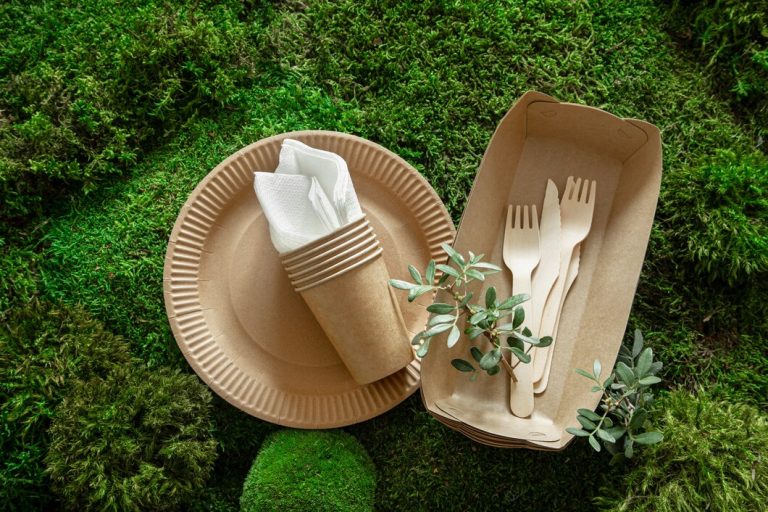
- Biodegradable materials
- Smart recycling technologies
- Circular product design
- Renewable energy systems
- Digital waste tracking
Innovation helps businesses become more competitive while reducing environmental impacts.
Circular Economy in Everyday Life
Many people think sustainability is only for governments or large corporations, but the circular economy in everyday life begins with individual actions.
You can contribute by:
- Buying durable products
- Repairing household items
- Choosing reusable containers
- Donating unwanted clothing
- Purchasing second-hand goods
- Recycling correctly
- Reducing food waste
- Supporting local repair businesses
Small daily decisions collectively make a significant difference.
How to Support the Circular Economy
Wondering how to support the circular economy?
Consider these practical steps:
- Choose quality over quantity.
- Buy products with recyclable packaging.
- Support businesses with sustainable practices.
- Reduce unnecessary purchases.
- Share rarely used items.
- Repair before replacing.
- Recycle responsibly.
- Compost organic waste.
- Purchase refurbished electronics.
- Learn about sustainable brands.
These actions help reduce waste and conserve valuable resources.
Circular Economy Best Practices for Businesses
Organizations seeking long-term sustainability can adopt these circular economy best practices.
Design for Durability
Products should last longer and be easier to repair.
Use Renewable Resources
Replace finite resources with renewable resources wherever possible.
Improve Supply Chains
Work with suppliers committed to sustainability.
Reduce Waste
Implement efficient waste management systems.
Recover Materials
Create programs for product take-back and recycling.
Measure Performance
Track material use, emissions, and recycling rates regularly.
Sustainable Production and Sustainable Consumption
A successful circular economy depends on both sustainable production and sustainable consumption.
Manufacturers must reduce resource use while consumers make environmentally responsible purchasing decisions.
Together, these efforts:
- Lower pollution
- Reduce waste
- Preserve ecosystems
- Improve resource efficiency
- Support economic resilience
Resource Conservation for Future Generations
Resource conservation is one of the strongest arguments for adopting circular systems.
Finite resources such as metals, fossil fuels, and freshwater cannot support unlimited consumption.
Using materials responsibly today ensures future generations have access to the resources they need.
Reduce, Reuse, Recycle: The Foundation of Circular Thinking
The familiar phrase reduce, reuse, recycle remains central to circular economy principles.
- Reduce unnecessary consumption.
- Reuse products whenever possible.
- Recycle materials when reuse is no longer an option.
Prioritizing reduction and reuse before recycling delivers the greatest environmental benefits.
Eco-Conscious Living
Practicing eco-conscious living means making thoughtful choices that reduce environmental impact.
Examples include:
- Using reusable water bottles
- Choosing public transportation or cycling
- Conserving electricity and water
- Avoiding single-use plastics
- Buying locally produced goods
- Supporting companies with sustainable policies
These everyday habits contribute to a cleaner, healthier environment.
The Future of the Circular Economy
As governments, businesses, and consumers recognize the need for sustainable growth, the circular economy will continue expanding across industries.
Emerging technologies such as artificial intelligence, the Internet of Things (IoT), advanced recycling systems, and digital product passports are making it easier to track materials, optimize resource use, and recover valuable components at the end of a product’s life. Companies are also investing in innovative materials that are biodegradable, recyclable, or made from renewable sources.
In the coming years, circular practices are expected to play an even greater role in manufacturing, construction, agriculture, healthcare, fashion, and consumer electronics. This shift will help reduce environmental impacts while creating new jobs, encouraging innovation, and strengthening economic resilience.
Conclusion
Understanding what is a circular economy and why does it matter is essential for building a more sustainable future. Unlike the traditional linear model, the circular economy focuses on keeping resources in use for as long as possible through smarter design, recycling and reuse, resource conservation, and responsible waste management. By embracing circular economy strategies for businesses, encouraging sustainable production, promoting sustainable consumption, and supporting eco-conscious living, we can significantly reduce waste, lower carbon emissions, and protect natural ecosystems. Whether you’re an individual making everyday purchasing decisions or a business exploring a circular business model, adopting circular practices contributes to a stronger green economy, drives green innovation, and supports meaningful climate action. The transition to a circular economy is not just an environmental necessity—it is a practical pathway toward long-term prosperity, resilience, and sustainable development for generations to come.
About the Author