The conversation around sustainability is no longer limited to reducing plastic bags or encouraging recycling at home. Today, businesses, governments, and innovators are turning toward circular economy examples that completely rethink how products are designed, used, reused, and regenerated. These successful circular economy models are proving that waste does not have to be the end of a product’s life. Instead, materials can remain in circulation, creating economic value while protecting natural resources. From multinational corporations to local startups, these circular economy case studies highlight some of the most effective global circular economy initiatives currently shaping industries. These circular business success stories clearly show circular economy in practice, offering real world circular economy examples that inspire future action. In this guide, we will explore the best circular economy success stories from around the world, examine real life examples of circular economy businesses, and understand why circular economy is important for sustainability in today’s resource-stressed world.
What Is a Circular Economy With Examples?
Before diving into the inspiring cases, it is important to understand what is a circular economy with examples.
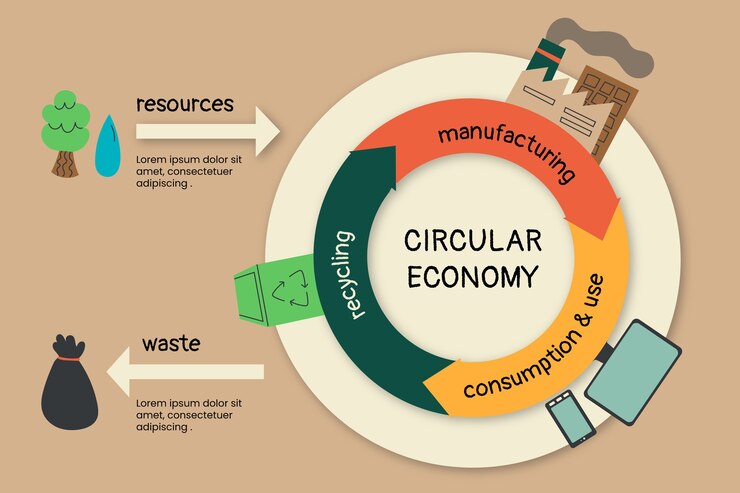
A circular economy is an economic system designed to eliminate waste and keep resources in use for as long as possible. Unlike the traditional linear model of “take, make, dispose,” the circular system focuses on:
- Reducing raw material extraction
- Designing products for long life
- Repairing and refurbishing used items
- Recycling materials into new products
- Regenerating natural systems
In simple words, instead of throwing products away, circular businesses ask: How can this material continue to create value?
For example:
- Turning discarded plastic into new furniture
- Refurbishing used electronics for resale
- Reusing textile waste to create fashion products
- Recovering food waste for compost or energy
These are practical closed loop economy examples where waste becomes input.
Why Circular Economy Is Important for Sustainability
Understanding why circular economy is important for sustainability helps explain why so many businesses are adopting this model.
The world currently consumes resources faster than Earth can regenerate them. Landfills are growing, oceans are filling with plastic, and industries continue to emit harmful carbon gases. The circular economy addresses these problems by:
1. Reducing Waste Generation
Products are reused, repaired, or recycled instead of dumped.
2. Lowering Carbon Emissions
Manufacturing with recycled materials often requires less energy than using virgin resources.
3. Conserving Natural Resources
Circular systems reduce mining, logging, and excessive extraction.
4. Creating New Business Opportunities
Reuse, refurbishment, recycling, and service-based systems create jobs and innovation.
5. Supporting Long-Term Profitability
Businesses save money by recovering materials and reducing dependence on expensive raw resources.
These clear benefits of circular economy business models are why industries worldwide are investing in sustainable redesign.
Best Circular Economy Success Stories From Around the World
Now let us look at some of the most impactful circular economy projects around the world and the companies using circular economy successfully.
1. IKEA – Furniture Take-Back and Product Life Extension
One of the most talked-about global brands adopting circular economy principles is IKEA.
The furniture giant has shifted from simply selling low-cost home products to building a long-term circular model. Its initiatives include:
- Buy-back and resale programs
- Spare part availability for furniture repair
- Designing products with recyclable materials
- Renting office furniture instead of only selling it
Customers can return gently used furniture, which is refurbished and sold again.
This is one of the strongest circular economy transformation examples because it extends product life while reducing landfill waste.
Why It Works
Furniture traditionally contributes heavily to bulky landfill waste. By reusing old products, IKEA lowers manufacturing demand.
This stands out among successful waste reduction business models because it creates revenue from second-hand goods.
2. Patagonia – Repair, Resell, Rewear
Patagonia is one of the most inspiring circular economy companies in the fashion industry.
Its famous “Worn Wear” program allows customers to:
- Repair old jackets and gear
- Trade in used clothing
- Buy refurbished second-hand Patagonia items
Rather than pushing customers to buy new items constantly, the company encourages long-term usage.
This makes Patagonia one of the best real life examples of circular economy businesses where profit and environmental ethics work together.
Circular Innovation Here
Fashion is known for overproduction and textile waste. Patagonia challenged this by building consumer trust around durability.
This is among the most inspiring circular economy stories because the company actually earns loyalty by promoting less consumption.
3. Philips – Lighting as a Service
Philips created one of the smartest eco friendly business models by shifting from product ownership to service ownership.
Instead of selling lighting fixtures outright, Philips offers:
- Lighting installation
- Maintenance
- Performance management
- Material recovery after use
Customers pay for the light service, not the bulbs.
When systems wear out, Philips takes back the materials, upgrades them, and recycles components.
This is one of the most famous closed loop economy examples because ownership remains with the manufacturer.
Why It Matters
When companies keep ownership, they have a financial incentive to make products durable and recyclable.
This is exactly how companies reduce waste through circular economy systems.
4. Renault – Vehicle Parts Remanufacturing
The automotive sector produces enormous metal and plastic waste, but Renault turned this challenge into one of the strongest product recycling success stories.
Renault remanufactures:
- Engines
- Gearboxes
- Injectors
- Water pumps
- Electronic parts
Instead of discarding used vehicle components, they are restored to factory standards and sold again.
The Circular Advantage
- Lower production costs
- Reduced material extraction
- Less industrial waste
- Affordable spare parts for consumers
This is among the top circular economy examples in different countries, showing Europe’s leadership in industrial sustainability.
5. TerraCycle – Recycling the Unrecyclable
TerraCycle is one of the most innovative names in circular economy innovations worldwide.
The company specializes in collecting hard-to-recycle waste such as:
- Toothpaste tubes
- Coffee capsules
- Snack wrappers
- Cosmetic packaging
- Cigarette waste
These items are transformed into raw plastic materials used in benches, bins, bags, and industrial goods.
TerraCycle represents one of the strongest examples of reuse and recycling business innovations because it creates value from materials conventional recycling systems reject.
6. Interface – Carpet Tile Recovery Program
Interface has become one of the world’s benchmark circular economy sustainability success stories.
The company collects old carpet tiles from offices and buildings, then:
- separates usable nylon fibers
- reprocesses backing materials
- creates new carpet products
Its manufacturing model aims for minimal virgin petroleum use.
This is a powerful zero waste production example because carpet manufacturing is usually highly resource intensive.
7. Loop – Reusable Consumer Packaging
Loop partners with major consumer brands to replace single-use packaging with durable reusable containers.
Consumers receive products in premium containers, use them, then return the empty packaging for:
- cleaning
- sterilization
- refill
- redistribution
This model is active with food, beauty, and household goods.
It stands among the best global circular economy initiatives because it attacks the packaging waste crisis directly.
8. Adidas – Ocean Plastic into Footwear
Adidas partnered with environmental organizations to create shoes made partly from ocean plastic.
Collected marine waste is processed into yarn and transformed into sneakers and sportswear.
This is one of the most visible product recycling success stories and a globally recognized sustainable business success story.
Why This Inspires
Consumers can physically see waste transformed into a premium product, making circularity tangible.
9. Too Good To Go – Fighting Food Waste
Food waste is a major sustainability issue, and Too Good To Go offers one of the most practical circular economy in practice examples.
Restaurants, bakeries, supermarkets, and cafes list unsold food at discounted prices through the app.
Instead of:
- dumping edible meals
- losing business revenue
they sell leftovers to consumers.
This is one of the smartest successful waste reduction business models in the food sector.
10. Fairphone – Modular Electronics for Long-Term Use
Electronics are often designed for replacement, not repair. Fairphone changed this with modular smartphones.
Users can easily replace:
- battery
- camera
- screen
- speaker
- charging port
instead of discarding the entire phone.
This makes Fairphone one of the most talked-about companies using circular economy successfully in electronics.
It is also one of the clearest real world circular economy examples because product lifespan is dramatically extended.
Circular Economy Examples in Different Countries
Circularity is not limited to one region. Here are some notable circular economy examples in different countries.
Netherlands – Circular Construction
The Netherlands leads with recycled building materials, modular architecture, and material passports that track reusable construction inputs.
Buildings are increasingly designed for future disassembly.
This is a major circular economy project around the world because construction creates huge waste volumes globally.
Japan – Appliance Recycling Law
Japan requires manufacturers to collect and recycle used electronics and appliances.
Metals, plastics, and components are extracted and reused.
This policy-driven system is one of the strongest global circular economy initiatives backed by national legislation.
Sweden – Tax Incentives for Repair
Sweden encourages people to repair clothing, bikes, and appliances by reducing taxes on repair services.
Instead of replacing products, consumers fix them.
This government-supported approach is among the most practical circular economy examples in public policy.
India – Plastic Waste Road Construction
India has pioneered the use of shredded plastic waste in road building.
Discarded plastic is mixed with bitumen, reducing landfill accumulation while improving road durability.
This stands as one of the most creative circular economy innovations worldwide and one of the strongest real world circular economy examples from a developing nation.
Inspiring Circular Economy Case Studies from Small Businesses
Not all circular success comes from giant corporations. Smaller businesses are also creating inspiring circular economy case studies.
Refillable Grocery Stores
Zero-waste grocery stores in Europe, Canada, and Australia let customers bring their own containers.
Consumers refill:
- grains
- oils
- soaps
- cleaning liquids
- spices
This removes disposable packaging entirely.
These are practical eco friendly business models proving that local retail can participate in circularity.
Textile Upcycling Startups
Many startups now convert:
- old denim into bags
- factory textile scraps into home decor
- used uniforms into accessories
These are strong examples of reuse and recycling business innovations that reduce fashion waste.
Furniture Refurbishment Studios
Urban furniture refurbishment businesses collect unwanted office chairs, desks, and cabinets, restore them, and resell them.
This is a profitable circular business success story because commercial furniture remains useful long after companies replace it.
How Companies Reduce Waste Through Circular Economy
A major question businesses ask is how companies reduce waste through circular economy models.
The answer usually involves five practical strategies:
1. Designing for Durability
Longer-lasting products reduce replacement frequency.
2. Creating Repair Ecosystems
Offering spare parts and repair services prevents disposal.
3. Taking Products Back
Used items become a source of reusable material.
4. Recycling Internally
Factory scraps are reintroduced into production.
5. Switching to Service Models
Leasing or renting keeps material ownership centralized.
These methods explain the operational side of circular economy in practice.
Benefits of Circular Economy Business Models
The benefits of circular economy business models are both environmental and financial.
Environmental Benefits
- lower landfill waste
- lower pollution
- reduced emissions
- less extraction of virgin resources
Business Benefits
- reduced raw material costs
- stronger customer loyalty
- new revenue from refurbished goods
- resilience against supply chain shortages
Consumer Benefits
- affordable repaired/refurbished options
- longer-lasting products
- lower disposal guilt
This is why more global brands adopting circular economy principles continue to expand these initiatives.
Circular Economy Transformation Examples Changing Industries
Many sectors are currently undergoing massive redesign due to circularity.
Fashion → resale, repair, textile recycling
Electronics → modular design, refurbished resale
Automotive → remanufactured parts
Packaging → reusable systems
Food → surplus redistribution
Construction → deconstruction reuse
These broad circular economy transformation examples show that circularity is not a niche trend. It is becoming a core industrial strategyLessons We Learn from These Circular Economy Success Stories
The biggest lesson from these inspiring circular economy stories is that sustainability works best when it also makes business sense.
The most successful models share common traits:
- Waste is treated as a resource
- Product life is extended intentionally
- Consumers participate in the loop
- Companies redesign ownership and material flow
- Profitability is built into sustainability
These are not charity projects. They are commercially viable systems.
That is what makes them the most powerful circular economy case studies in the modern world.
The Future of Circular Economy Innovations Worldwide
Experts believe future business growth will increasingly depend on resource efficiency.
As raw materials become costlier and environmental regulations tighten, more businesses will shift toward:
- recyclable product design
- reverse logistics
- reusable packaging
- industrial remanufacturing
- biodegradable circular materials
This means the number of circular economy companies will continue growing rapidly.
The world is moving beyond basic recycling toward complete material regeneration.
Conclusion
The best circular economy success stories from around the world prove one important thing: sustainability is no longer just an environmental slogan—it is a profitable and scalable business strategy. Whether it is IKEA extending furniture life, Patagonia repairing clothing, Philips recovering lighting materials, or TerraCycle recycling complex waste, these circular economy examples show that waste can become opportunity. These successful circular economy models, real life examples of circular economy businesses, and circular economy sustainability success stories offer a blueprint for industries worldwide. As more organizations understand why circular economy is important for sustainability, we will continue seeing stronger circular economy projects around the world, smarter closed loop economy examples, and more sustainable business success stories shaping the future of responsible growth.
About the Author