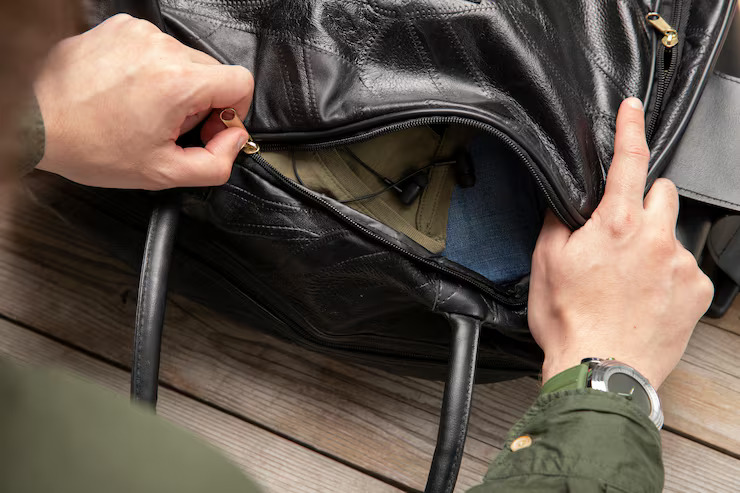
How many otherwise functional jackets, backpacks, or pairs of trousers are sitting in your closet, unusable because of a single point of failure—a broken zipper? The zipper is the most common reason for consumers to discard high-value textiles and goods. The linear economy encourages this waste, relying on the consumer’s frustration to drive a full, unnecessary replacement purchase. Zipper repair is one of the highest-impact, yet simplest, acts of circular economy stewardship.
By mastering basic fix zipper techniques, you restore 100% of the item’s utility and material value, securing years of additional life from the garment or bag. This guide provides the definitive zipper repair guide, detailing how to repair a broken zipper slider, outlining how to fix separated zipper teeth on jacket, and offering a complete step-by-step guide to zipper replacement when necessary.
I. The Zipper’s Failure to Launch (The OREO Framework)
The assumption that zipper failure signals the end of the entire product is a costly flaw in the disposable mindset.
The Problem of the Slider
Opinion: Discarding a garment or bag because of a zipper failure is a systematic destruction of a high-value textile asset over a low-cost, easily replaceable component.
Reason: The most durable part of a jacket is the textile body. The weakest, most frequently used component is the metal slider, which is designed to wear down. When the slider loosens or the teeth separate, the linear consumer treats the entire jacket as worthless, sacrificing the expensive material (down, leather, waterproof fabric) and contributing massively to textile waste.
Example: Sarah’s expensive winter jacket stops zipping because the teeth won’t mesh. A new jacket is the linear solution. The circular solution is a zipper replacement of the slider, which costs 5 and takes 10 minutes with a pair of pliers. By choosing zipper repair, Sarah avoids a 250 purchase and retains the original, durable asset. The failure was not the jacket, but the worn-out component, proving the value of targeted repair.
Opinion/Takeaway: Therefore, mastering fix zipper techniques is the essential product life extension skill that protects high-value textile assets from premature disposal, securing years of additional use.
II. How to Repair a Broken Zipper Slider: The Pliers Fix
The most common zipper problem is a worn-out slider that no longer correctly meshes the teeth. This is often fixed with a simple adjustment of the slider’s “throat.”
Step 1: The Diagnosis (Broken Zipper Slider)
- The Symptom: The zipper closes, but the teeth immediately separate behind the slider, or the slider moves freely but does not engage the teeth.
- The Cause: The metal channel (or “throat”) inside the slider that presses the teeth together has become too wide from repetitive use.
Step 2: The Tool and the Target
- The Tool: You need a pair of needle-nose pliers or robust kitchen tongs.
- The Target: The small back end of the slider (the end closest to the fabric when zipping). Crucially, focus on the side of the slider where the channel is widest, usually the top and bottom.
Step 3: The Gentle Squeeze
- Action: Place the pliers over the top and bottom edges of the slider’s back end. Squeeze gently, incrementally, to slightly narrow the channel. Test the zipper after each tiny squeeze.
- Caution: Squeeze too hard, and you will crush the slider, rendering it unusable. The goal is a subtle pressure that restores the necessary tension to mesh the teeth.
III. How to Fix Separated Zipper Teeth on Jacket: The Stop Fix
When the zipper teeth are separated in the middle of the track (not at the bottom), it often signals a failure to stop the slider at the bottom.
1. The Simple Separation Fix:
- Action: If the slider has jumped over the bottom stop, try to gently work the slider back down to the start position (at the bottom of the track).
- Temporary Solution: Use a pencil to rub graphite (a dry lubricant) over the teeth, which reduces friction and often allows the slider to move freely and correctly.
2. The Missing/Broken Stop:
- The Problem: The slider is designed to be stopped by the top and bottom stops (small metal/plastic pieces). If a stop is broken, the slider can overshoot the track and leave the teeth separated.
- The Circular Solution: Use a needle and thread (a high-value repair & maintenance skill) to create a new, durable thread stop about 1/4 inch down from the top or 1/4 inch up from the bottom. Sew multiple tight stitches around the teeth to create a physical barrier for the slider.
IV. Step-by-Step Guide to Zipper Replacement: The Last Resort
If the teeth themselves are damaged, the slider is cracked, or the zipper is simply beyond adjustment, a full zipper replacement is the ultimate circular fix.
1. Assess and Procure:
- Identify: Determine the type of zipper (e.g., separating/jacket, non-separating/bag), its length, and the teeth material (coil, Vislon plastic, or metal).
- Procure: Purchase a new, high-quality replacement zipper of the correct length and type.
2. Removal:
- Action: Use a seam ripper to carefully unpick the stitching that secures the old zipper tape to the garment. Take care not to damage the underlying fabric.
3. Installation:
- Pinning: Pin the new zipper tape to the garment where the old one was located. This requires patience and precision to ensure the garment lies flat.
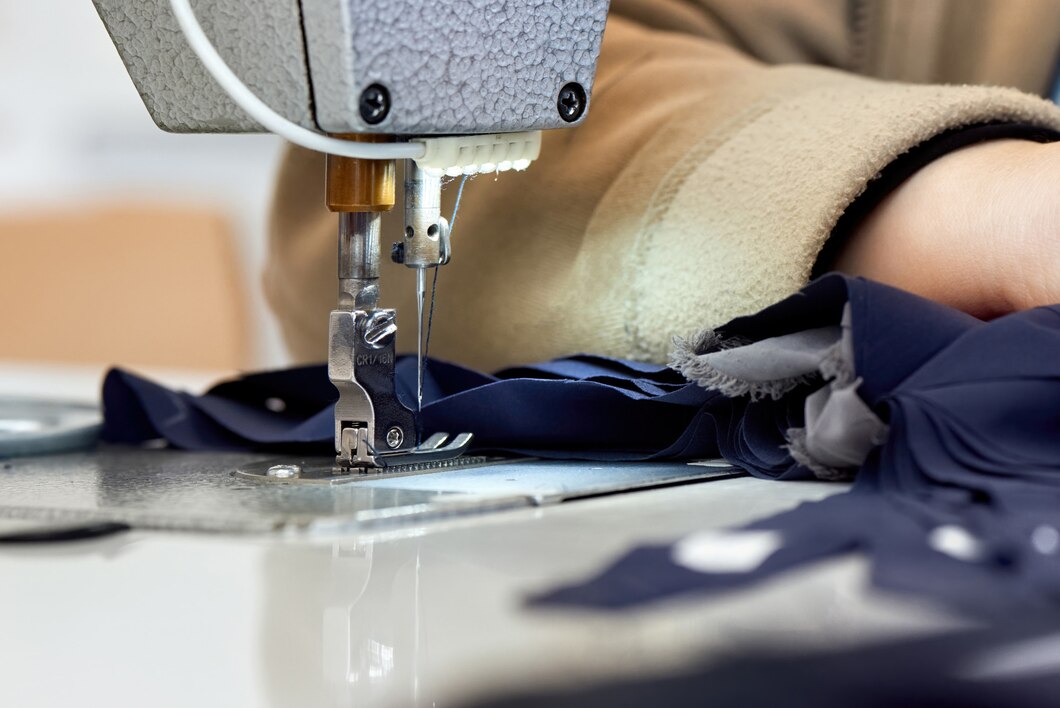
- Stitching: Use a durable thread and a strong stitch (a straight stitch on a sewing machine is fastest) to secure the new zipper tape to the garment. This step is a sewing basics skill that ensures the long-term extending shoe life of the product.
V. The Economic ROI of Zipper Repair
The commitment to fix zipper techniques provides high returns in cost savings and resource preservation.
- Cost Savings: The cost of a full zipper replacement by a tailor can be $30-$60, still significantly less than the cost of a new jacket or bag. The cost of a DIY zipper replacement is under $10.
- Material Preservation: Every successful zipper repair prevents the disposal of high-value textiles (leather, canvas, technical fibers) that take vast amounts of energy and water to produce.
- Skill Sharing: The simplicity of the fix makes it ideal for repair cafes and skill sharing workshops, spreading the culture of repair quickly through the community.
Conclusion: The Resilient Fastener
The zipper is the physical threshold between use and disposal. By accepting a faulty zipper, you accept the linear economy’s dictum of waste.
Zipper repair is the antidote. Whether you are learning how to repair a broken zipper slider with simple pliers, utilizing a thread stop to fix separated zipper teeth on jacket, or tackling a full step-by-step guide to zipper replacement, you are performing an essential act of circular economy stewardship. Don’t let a tiny piece of metal condemn a valuable product—fix it and wear it for years more.
About the Author