Did you know the average household in the developed world throws away roughly 20% of the food it buys? That’s equivalent to tossing one in every five bags of groceries straight into the trash. The kitchen is the epicenter of the linear economy at home: a hub of single-use plastic, excessive packaging, and enormous food waste. Achieving a truly circular kitchen is the most impactful step you can take toward a waste-free kitchen and a lighter environmental footprint.
The good news is that creating a zero waste kitchen isn’t about expensive gadgets; it’s a strategic setup that follows the circular economy principles of Refuse, Reduce, and Reuse. This complete zero waste kitchen setup guide provides a clear, room-by-room plan for eliminating single-use items, mastering bulk buying, and ensuring every material is kept in a perpetual loop, saving you significant money and time.
I. The Critical Starting Point: Refuse and Audit
Before you buy a single reusable container, you must master the art of refusal and conduct a thorough audit. This is the circular economy hierarchy in action: stopping the problem at the source.
The Problem of Premature Purchase (The OREO Framework)
Opinion: Attempting a waste-free kitchen by simply buying new containers without changing purchasing habits is a costly, self-defeating exercise.
Reason: Your existing materials are your most sustainable resources. The moment you buy new storage containers while your old Tupperware sits unused, you have failed the “Refuse” and “Reduce” principles by creating new demand and new potential waste. True circularity starts with working with the resources you already possess.
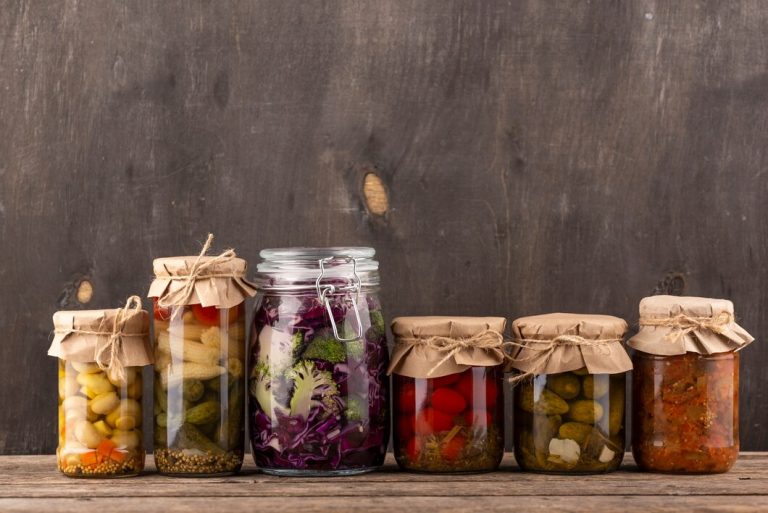
Example: Sarah wants a zero waste kitchen setup and buys ten new glass bulk-storage jars. However, she already has dozens of mismatched but perfectly functional plastic containers, empty glass pasta sauce jars, and old pickle jars sitting in her pantry. She has needlessly spent money and created a demand for new manufacturing when her existing resources were more than adequate. Her failure was a failure of the audit, not of intent.
Opinion/Takeaway: Therefore, the first step for how to set up a zero waste kitchen must always be a commitment to using up and repurposing your existing stock—the ultimate form of sustainable food storage solutions.
II. Zone 1: The Pantry and Shopping Strategy
The pantry is where you control the flow of new resources into your home. This is where the bulk of your packaging waste can be eliminated through strategic procurement.
Mastering Bulk Buying
- Actionable Step: Locate your nearest bulk food store (for grains, nuts, oils, spices, cleaning products). Dedicate a cabinet to storing your essential zero waste kitchen items for shopping.
- Containers: You need four categories of reusable containers:
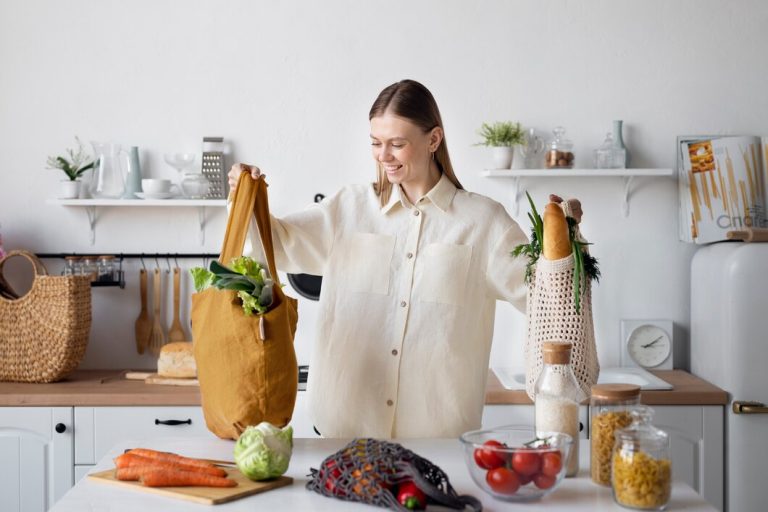
- Produce Bags: Lightweight mesh bags for loose fruit and vegetables.
- Tote Bags: Large, durable bags for transporting all groceries.
- Light Jars/Tubs: Pre-weighed, labeled glass or plastic containers for refilling bulk dry goods and oils.
- Bento Box/Deli Container: Reusable containers for taking home deli meats, cheeses, or bakery items.
- Refuse Policy: Commit to buying zero items packaged in multi-layer, non-recyclable plastic (e.g., individual snack bags, most pouches).
III. Zone 2: The Refrigerator and Sustainable Food Storage Solutions
The refrigerator is where most food waste occurs due to spoilage. Circularity here is achieved through careful storage and inventory management.
Circular Kitchen Food Management
- First-In, First-Out (FIFO): Label and store older items at the front. The rule is simple: Eat what you have, not what you want.
- Produce Preservation: Master produce-specific storage (e.g., wrapping herbs in a damp towel, storing lettuce in a sealed container with a paper towel, avoiding the plastic crisper bag).
- Single-Use Elimination:
- Swap Cling Wrap: Use beeswax wraps or silicone lids for bowls and leftovers.
- Swap Ziploc Bags: Use reusable silicone storage bags for freezer items and marinating.
- The “Use Me First” Shelf: Designate a shelf in your fridge for ingredients that must be consumed within 24-48 hours (e.g., vegetable scraps, wilting greens, opened dairy).
The Circular Imperative
Food is a biological nutrient. When it becomes waste in a landfill, it decomposes anaerobically and produces methane, a potent greenhouse gas. For food to be truly circular, it must safely return to the earth via composting.
IV. Zone 3: The Waste Station and Composting Guide
The final zone is the waste management area. In a zero waste kitchen, this area should be dominated by composting and reusable streams, with the actual trash can shrinking dramatically.
The Waste-Free Setup
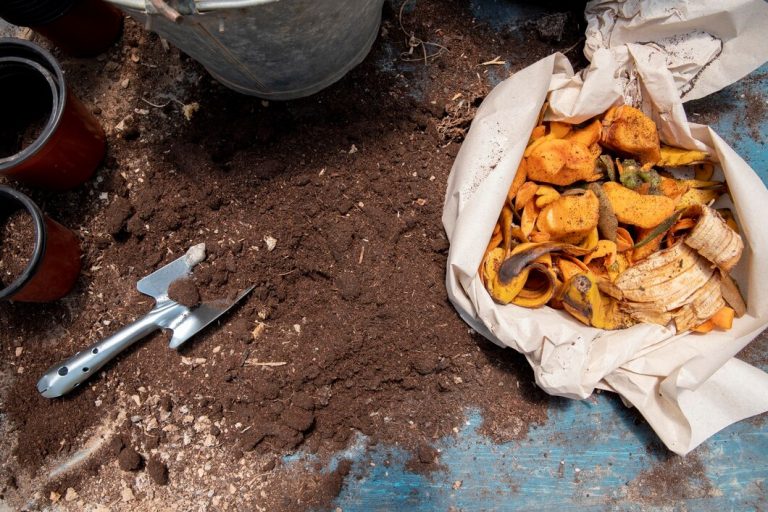
- Compost: The composting guide rule is essential. You need a dedicated, covered bin for all food scraps (coffee grounds, vegetable peels, plate scrapings, etc.). This should be the largest waste stream in your circular kitchen.
- Home Composting: Use a worm farm, backyard bin, or tumbler.
- Apartment/Urban: Use a community compost drop-off or a local food scrap service.
- Recycling: Ensure clear, labeled bins for high-value recyclables: clean aluminum, glass, and specified plastics. Crucially, ensure all items are clean and dry to avoid contamination.
- The Shrinking Trash Can: If you have effectively managed Refusal (Zone 1) and Food Waste (Zone 2), your actual landfill trash should be minimal—mostly wrappers that cannot yet be recycled (the last resort).
- The Repair/Drop-Off Bin: Designate a bin for non-recyclable but valuable items that need specific drop-offs (e.g., dead batteries, light bulbs, e-waste, soft plastics).
Conclusion: The Sustainable Heart of the Home
Achieving a zero waste kitchen is a gradual process, but the framework is clear: stop buying unnecessary waste, extend the life of your food and materials, and ensure all biological nutrients return safely to the earth.By following this complete implementation guide and focusing on the core principles of the circular economy—auditing your flows, prioritizing bulk buying, and making composting routine—you transform your kitchen from a linear sinkhole of waste into the regenerative, waste-free kitchen at the sustainable heart of your home.
About the Author