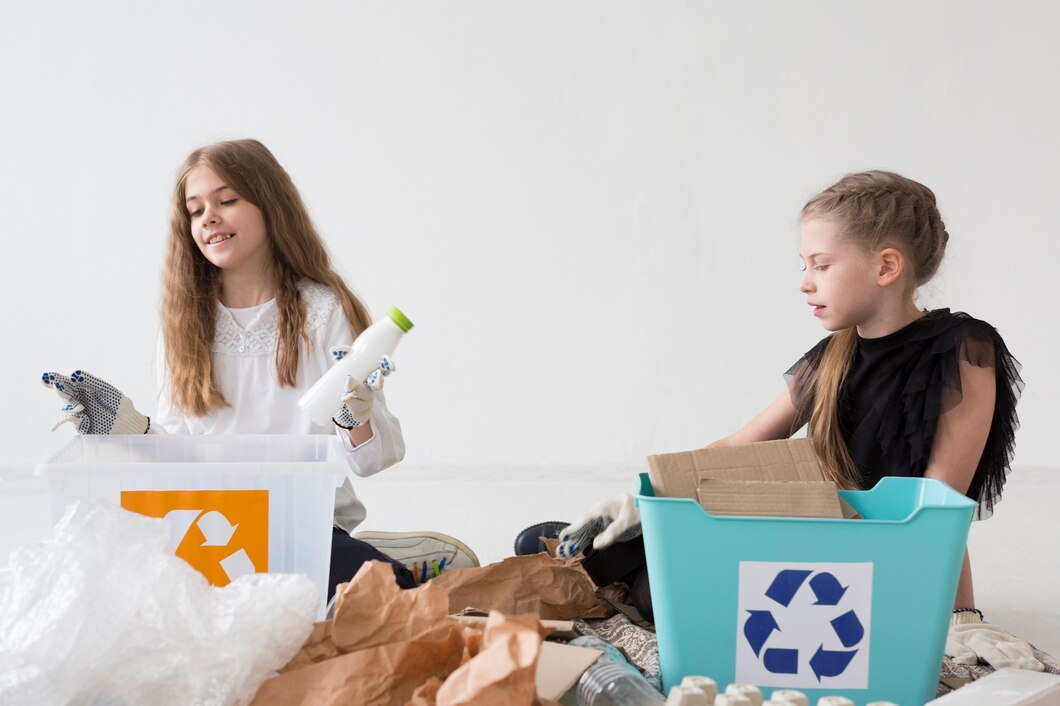
The average toy is played with for only six months before it is discarded, broken, or simply loses a child’s interest. This rapid obsolescence fuels a massive linear supply chain, resulting in a continuous mountain of kids toy waste—mostly low-quality, mixed-material plastic that is destined for the landfill. The cost of providing children with variety and novelty is a staggering environmental burden.
The circular economy offers a transformative solution: toy library and toy rental services. These models replace individual, short-term ownership with collective, high-utilization access. This strategic shift is the most powerful method for reducing plastic toy waste for kids while simultaneously providing children with a continuous stream of new, engaging, and sustainable toys. This guide details toy library near me how it works and proves the superior economic and environmental value of toy sharing.
I. The Problem of Novelty and Ownership (The OREO Framework)
The need for novelty in children’s play clashes directly with the circular principle of longevity, but access models bridge this gap.
Short Use, Permanent Waste
Opinion: Buying a toy that is used for a finite, short period is the least efficient form of resource expenditure, failing both the child’s developmental needs and the planet’s resource demands.
Reason: Children’s developmental stages change rapidly, meaning a toy suitable for a two-year-old is useless to a five-year-old. The manufacturer knows this, creating a deliberate market for low-quality, trend-driven products. The resource (plastic, wood, metal) embedded in that toy is only used for a tiny fraction of its potential lifespan before becoming permanent waste.
Example: A family purchases a large, expensive set of building blocks for their toddler. Three months later, the toddler loses interest and the set sits unused, taking up valuable space. If the family had used a toy rental service, they would have paid a small subscription fee for that set, returned it when the child moved on, and immediately checked out a new set suited for the child’s current interest. The block set’s Cost Per Use (CPU) is maximized by being shared across dozens of families, and the family saves money and space.
Opinion/Takeaway: Therefore, toy sharing models are the definitive circular toys strategy, as they prioritize access to the function of the toy (play, learning) over the wasteful ownership of the physical object.
II. Toy Library Near Me How It Works: The Access Model
A toy library operates exactly like a book library, but for playthings. It is the purest application of the Product-as-a-Service (PaaS) model for the home.
Benefits of the Toy Library Model
- Maximum Utilization: A single expensive, high-quality toy (e.g., a sensory table, a specialty puzzle) can serve dozens of families over a decade, spreading its material footprint widely.
- Cost Savings: Families gain access to a wide variety of toys without the enormous upfront and accumulating costs of individual purchasing. This is especially true for expensive, short-term items like baby equipment.
- Quality Control: Toy libraries are highly incentivized to invest in durable toys and rigorous repairable toys maintenance, as their inventory is their primary asset. They favor wooden, metal, and high-quality construction that lasts.
- Variety and Testing: Children get the novelty they crave, and parents can “try before they buy” to see which types of toys truly engage their child before making a long-term purchase commitment.
- Actionable Tip: Search locally for “Toy Library,” “Kids Equipment Rental,” or “Parent Resource Center” to find access points.
III. Renting Toys Instead of Buying: The Economic Case
The financial advantage of toy rental and toy library access over disposable purchasing is substantial.
| Item | Cost of Purchase (New, Average) | Cost of Rental (Average 6 months) | Circular Savings |
| High-End Block Set | 150.00 | 30-50 | Eliminates 100% of the material acquisition cost and resale effort. |
| Infant Activity Mat | 80.00 | 20 (3 months) | Saves space and the hassle of storage for a short-life item. |
| Large Party/Outdoor Toy | 120.00 (One use) | 15 (One weekend) | Avoids purchasing a highly seasonal item that sits idle 99% of the year. |
The Circular Rule: Renting toys instead of buying high-value items reduces the overall demand for new manufacturing and redirects household spending away from disposable goods.
IV. Reducing Plastic Toy Waste for Kids: Supporting the System
Even when using toy rental services, parents must adhere to circular practices to ensure the model works.
Circular Toys Maintenance
- Embrace Repair: Treat every rented item as if it were your own permanent asset. If a piece breaks, notify the library and offer to repair it or pay for the repairable toys part, ensuring the item stays in circulation.
- Cleanliness Protocol: Clean and sanitize toys before returning them. This reduces the library’s operational burden and keeps the utilization loop running efficiently.
- Prioritize Quality: When buying toys that will be kept (e.g., sentimental items), deliberately choose sustainable toys made from single, pure materials like wood or natural rubber, and avoid toys with low-quality electronics or composite parts.
Conclusion: Play Without the Waste
The problem of kids toy waste is a problem of material flow—too much new material entering the system and too little reuse. Toy libraries and toy rental services are the innovative, market-driven circular solutions that solve this problem perfectly.By joining the movement to value access over ownership, you embrace the future of circular toys. Reducing plastic toy waste for kids is simpler than you think: find your local toy library near me how it works, and start renting toys instead of buying today, allowing your children to enjoy endless variety without the environmental cost of disposable consumption.
About the Author