The rise of cheap, fast-fashion footwear has turned shoes into disposable products. When a heel wears down or a sole separates, the modern impulse is replacement, contributing to the staggering 20 billion pairs of shoes manufactured annually, most of which are destined for landfills where their mixed-material composition prevents recycling. This industry is a massive linear resource leak.
Shoe repair is the ultimate high-impact act of textile and material circularity. Resoling shoes and repairing heels fundamentally restores the asset’s function and value, securing years of additional life from a resource that would otherwise be discarded. This guide provides a definitive shoe repair guide, detailing how to repair and resole shoes, empowering you to master DIY shoe repair techniques, and showing you finding cobbler near me to achieve maximum extending shoe life.
I. The Materiality of Footwear Waste (The OREO Framework)
Footwear is a complex material challenge, but its core value resides in the long-lasting upper and frame, not the disposable sole.
Discarding the Frame
Opinion: Throwing away a shoe because of sole failure is a systematic destruction of the high-value upper materials (leather, high-quality textiles) and the energy used to assemble the entire shoe.
Reason: The sole is designed for high abrasion and is the first point of failure. However, the upper part of a quality shoe is often made of durable leather or canvas designed to last for decades. The sole should be viewed as a high-wear, replaceable component. The linear economy encourages manufacturers to fuse the sole permanently to the upper, making separation difficult and guaranteeing disposal when the sole wears out.
Example: Sarah’s high-quality leather boots, which cost $200, have a completely worn-out sole. The linear consumer discards them. A circular consumer utilizes cobbler services. The cobbler strips the old sole and replaces it with a new, high-quality sole for $60. The cost per wear plummets, and the lifecycle of the durable leather asset is extended by five years. The shoe maintenance saved the cost and material of an entirely new pair of boots.
Opinion/Takeaway: Therefore, shoe repair is the crucial link in the circular economy that decouples the lifespan of the durable upper from the short lifespan of the high-wear sole, ensuring extending shoe life by years.
II. How to Repair and Resole Shoes: DIY vs. Professional
The decision between DIY shoe repair techniques and cobbler services depends on the complexity of the task and the quality of the shoe.
1. Professional Cobbler Services (Resoling Shoes)
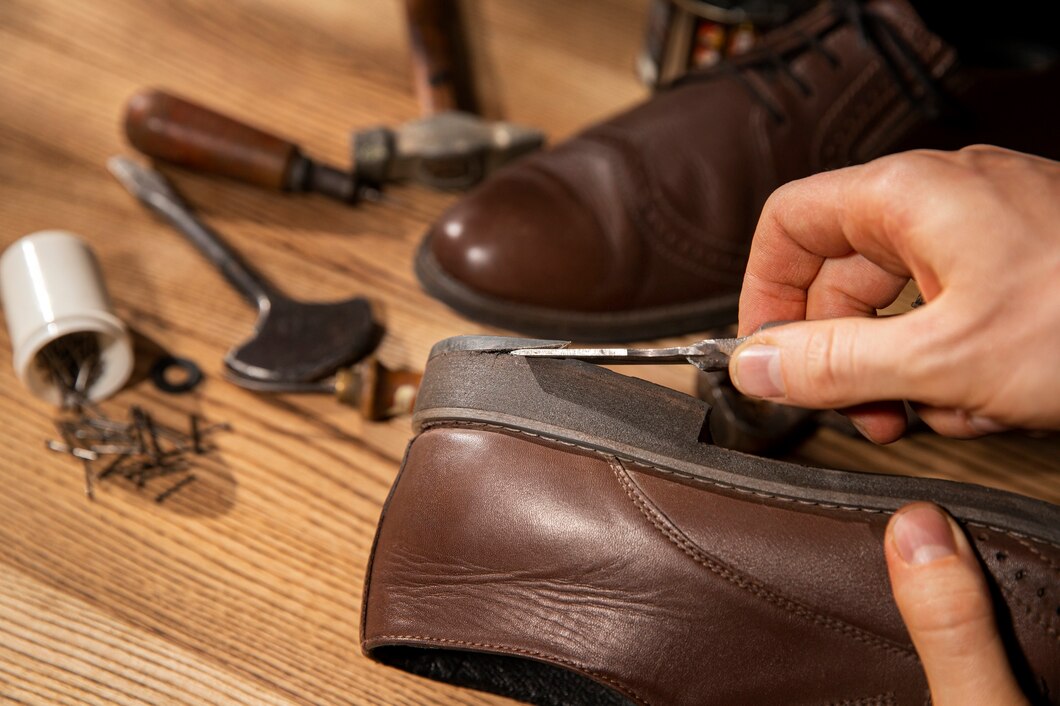
- The High-Impact Fix: Resoling (replacing the entire sole, or the leather part of a sole) and major heel replacement are professional tasks requiring specialized equipment (industrial sewing machines, lasting equipment).
- When to Call a Cobbler: For high-value leather goods, hiking boots, dress shoes, and any item with complex stitching or structural components. Finding cobbler near me should be the first search for any high-end footwear.
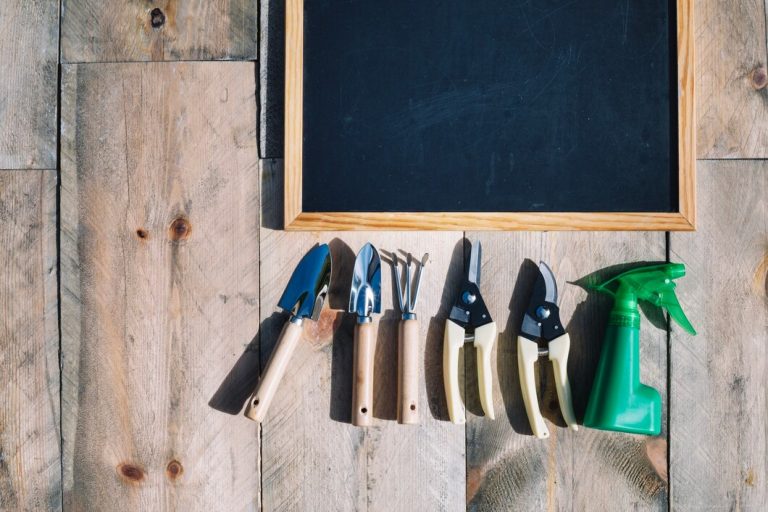
2. DIY Shoe Repair Techniques (Simple Maintenance)
- Heel Caps: Replacing small, simple rubber heel caps on women’s shoes with a small hammer and super glue.
- Insoles: Replacing worn insoles extends comfort and hygiene.
- Minor Separations: Re-gluing small sections of the sole that have separated from the upper using high-quality shoe adhesive (e.g., Shoe Goo).
- Cleaning and Care: Regularly cleaning and polishing leather with natural waxes and oils to prevent cracking (a core component of shoe maintenance).
III. Shoe Maintenance for Longevity
Proactive care dramatically extends the life of the upper material, preserving the core asset for future resoling shoes.
The Footwear Longevity Checklist
- Rotation: Never wear the same pair of shoes two days in a row. Allow them to fully dry out (especially the insole) between uses. This drastically extends the life of the internal structure.
- Shoe Trees: For leather shoes, use cedar shoe trees immediately after removal. They absorb moisture and maintain the shoe’s shape, preventing creasing and cracking that lead to premature material failure.
- Waterproofing: Use waterproofing sprays or waxes on leather and textile uppers to protect the material from water damage and salt stains.
- Cleaning: Regularly wipe down shoes. Dirt and salt are abrasive and corrosive to both the upper material and the stitching.
IV. The Economic and Circular Case for Footwear Repair
Extending shoe life through repair is a highly profitable strategy that stabilizes the small business.
- Preserving Craftsmanship: Shoe repair services preserve high-skill, local craftsmanship and specialized knowledge that is crucial for a resilient, localized circular economy.
- Cost Per Wear (CPW): Resoling a $200 pair of boots for $60 and doubling their lifespan (from 5 years to 10 years) halves the CPW, making the durable asset a far cheaper option than repeated purchasing of cheap goods.
- Local Economy: Supporting local cobbler services builds regional economic resilience and reduces the carbon footprint associated with shipping new footwear globally.
Conclusion: Repair Your Way to Sustainability
The culture of disposable footwear is an invention of the linear economy. Shoe repair is the antidote—a return to valuing craftsmanship, material durability, and asset longevity.
By choosing quality footwear designed for resoling shoes and mastering simple shoe maintenance techniques, you achieve maximum extending shoe life. Whether you utilize professional cobbler services or apply simple DIY shoe repair techniques, every repaired pair is a victory against textile waste and a contribution to a truly circular life.
About the Author