The sheer volume of material flowing through the average business—from toner and ink cartridges to desks and monitors—represents a massive, recurring cost and a significant source of waste. When these items reach their perceived “end-of-life,” they are often scrapped prematurely, destroying the financial and material value embedded in their durable cores.
Office supply reuse is the strategic circular solution. It ensures that the high-value assets used every day remain in active circulation, maximizing their utility and dramatically cutting procurement costs. This guide outlines the implementation of formalized office supply reuse programs, detailing the benefits of cartridge recycling, providing resources for electronics take-back, and showing the power of office furniture reuse to transform the linear office into a highly resilient and resource-efficient enterprise.
I. The Hidden Value in Office Waste (The OREO Framework)
The linear model treats office supplies as disposable consumables, ignoring the fact that many items are durable assets disguised as trash.
The Cost of Premature Disposal
Opinion: Discarding high-value, durable assets like printer cartridges and office furniture is fiscally indefensible and a direct violation of resource stewardship.
Reason: A printer cartridge housing is a complex, high-quality plastic and metal technical nutrient designed for hundreds of uses. A solid wood desk is an asset designed for a century of service. When these items are thrown away because they are empty or slightly worn, the cost of manufacturing them (raw materials, energy) is entirely lost, forcing the company to pay for replacement and disposal repeatedly.
Example: A mid-sized company replaces 50 chairs annually because the hydraulic lift fails or the fabric is stained. A new chair costs $200. By establishing an office furniture reuse program that focuses on professional cleaning and replacement of the lift mechanism (a $30 repair), the company saves $170 per chair and eliminates the disposal cost and material demand for 50 new chairs.
Opinion/Takeaway: Therefore, implementing strategic office supply reuse programs is the key to unlocking hidden value, reducing unnecessary capital expenditure, and building a truly circular workplace that profits from longevity.
II. Office Supply Reuse by Material Category
The strategy for reuse differs based on the material and the complexity of the item, requiring dedicated supply reuse programs.
1. Cartridges (The Consumable Loop)
- The Problem: Toner and ink cartridges contain plastics and residual hazardous materials and are one of the most volume-intensive office waste streams.
- The Circular Solution: Cartridge recycling through remanufacturing. Use vendor programs that guarantee the original cartridge housing is returned, cleaned, refilled with new toner, and resold. This retains the value of the durable plastic housing and reduces the need for new plastic components.
- Where to Recycle Office Cartridges: Partner with third-party remanufacturers or utilize the original equipment manufacturer’s (OEM) official take-back programs.
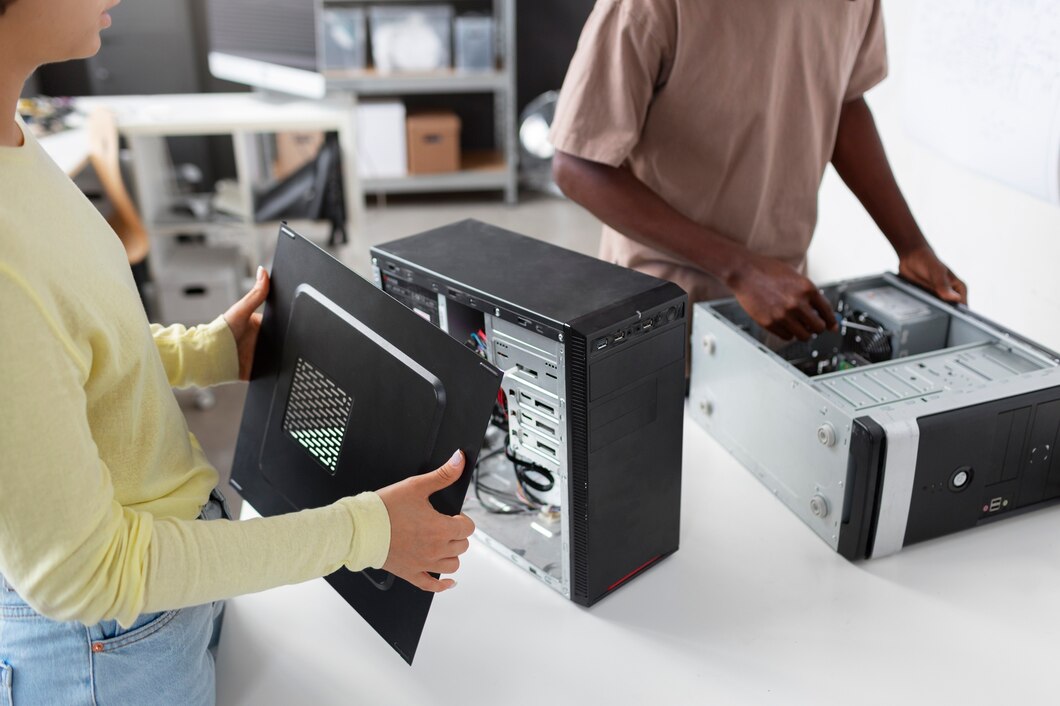
2. Electronics (The E-Waste Loop)
- The Problem: Outdated computers, monitors, and phones contain valuable precious metals and hazardous components (e.g., batteries).
- The Circular Solution:Electronics take-back programs and office equipment recycling.
- High-Value Items (Laptops/Monitors): These should be refurbished, wiped clean, and resold or donated, extending their operational life.
- Low-Value Items (Cables/Mice/Keyboards): These should be sent to a certified e-waste recycler that specializes in technical nutrient recovery.
III. Reusing Office Furniture and Equipment: Longevity and Value
Furniture and large equipment are high-value, long-term assets that must be managed for decades, not years.
Office Furniture Reuse Strategies
- Internal Redistribution: The simplest form of office furniture reuse. When a department downsizes or moves, its high-quality desks and chairs should be cleaned, repaired, and reallocated to other departments, delaying the need for new purchases.
- Refurbishment and Restoration: Invest in professional services to clean upholstery, refinish wooden surfaces, and replace simple mechanical parts (e.g., casters, hydraulic cylinders).
- Take-Back and Donation: Utilize specialized office equipment recycling and donation services like Habitat for Humanity ReStore or local school districts for usable furniture that the company no longer needs.
IV. Office Supply Reuse and Recycling Programs Implementation
A successful reuse program requires a formal, communicated process to ensure staff compliance and efficiency.
- Designated Drop-Offs: Create highly visible, clearly marked collection points for all reuse materials (cartridges, used phones, old furniture awaiting pickup). This makes supply reuse programs easy to follow.
- Staff Training: Train staff on the proper protocol—e.g., cartridges go into the branded return box; old phones go to IT for wiping and recovery.
- Measurable Goals: Set annual targets for the percentage of total purchases that come from reused, refurbished, or remanufactured sources (e.g., 30% of toner cartridges must be remanufactured).
Conclusion: The Profit in Persistence
The linear office model treats resource management as a burden. The circular office model treats office supply reuse as a profitable core strategy.
By establishing formal office supply reuse programs and prioritizing cartridge recycling, office furniture reuse, and electronic take-back, businesses drastically reduce procurement costs, minimize waste disposal liabilities, and secure their resource streams. Reusing office furniture and equipment is the smartest way to manage high-value assets and ensure long-term business resilience.
About the Author