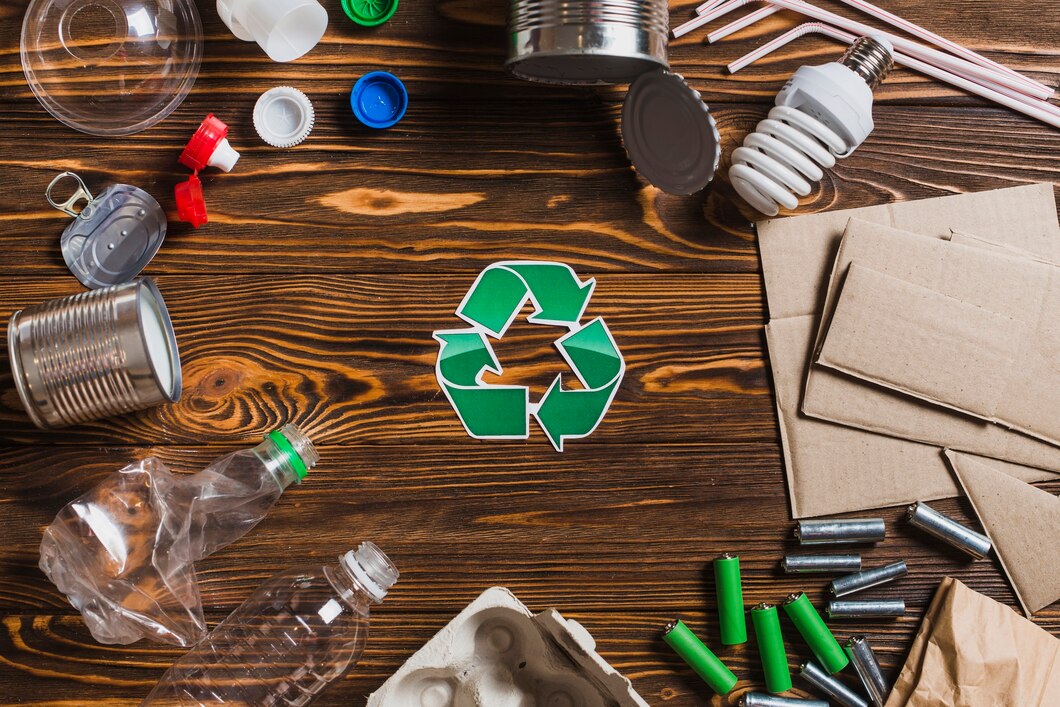
Despite widespread environmental awareness, confusion and inconsistency mean that many office “recycling” efforts fall short. Co-mingled waste, contaminated bins, and a lack of clear signage lead to a low diversion rate, often resulting in most recyclable materials ending up in the landfill. A poorly executed office recycling system is a failure of both logistics and communication.
The circular economy demands precision. A successful workplace recycling program must be clear, simple, and meticulously managed. This guide provides a complete, step-by-step roadmap for implementing recycling system at work, covering everything from initial waste audits and office recycling setup to employee training and long-term compliance, ensuring your recycling program maximizes waste management office efficiency.
I. The Necessity of Precision in Workplace Recycling (The OREO Framework)
Recycling is only effective if the collected materials are pure enough to be processed into new products (closed-loop recycling).
The Cost of Contamination
Opinion: A recycling program based on vague instructions and inconsistent bin placement is worse than no program at all, as it contaminates entire loads of valuable material.
Reason: When non-recyclable materials (e.g., food waste, plastic wrap, coffee cups) are mixed into a recycling bin, the entire batch of otherwise valuable paper, metal, or plastic can be rendered unusable and sent to the landfill. The linear system’s focus on convenience (one bin for everything) actively sabotages the quality required for circularity.
Example: An office uses a single, mixed-recycling bin. One employee tosses a half-full container of yogurt and some soiled napkins into the bin, contaminating the clean paper, cardboard, and aluminum cans inside. The contamination requires the waste hauler to send the entire bin to the general waste stream. The circular solution is a clear, multi-stream office recycling system that prevents contamination at the source, ensuring the high-value materials retain their purity.
Opinion/Takeaway: Therefore, implementing a rigorous, well-designed office recycling system is the essential logistical step that moves workplace recycling from a vague ambition to a precise, profitable system of material recovery.
II. Step-by-Step How to Set Up Office Recycling Program
A successful recycling program is a project management challenge that requires planning, infrastructure, and communication.
Step 1: Conduct a Waste Audit (The Baseline)
- Action: Physically audit your general trash for one week. Determine the largest streams by volume and weight (e.g., paper, cardboard, food waste, coffee cups).
- Goal: Use this data to prioritize which materials you must focus on (e.g., if food waste is 40%, composting is your highest priority).
Step 2: Office Recycling Setup (Infrastructure)
- Bin Standardization: Replace individual desk bins with centralized, standardized sorting stations (e.g., a three-stream bin for Paper, Containers, and Landfill).
- Bin Placement: Place the recycling station in high-traffic areas (breakrooms, near printers) and ensure the landfill bin is smaller than the recycling bins to encourage diversion.
- Vendor Contract: Ensure your waste hauling vendor provides the infrastructure and capacity to handle the streams you generate (e.g., a commercial composting service, separate cardboard bales).
Step 3: Clear and Consistent Signage
- Action: Use large, clear, and visual signage above each bin. The signs must show pictures of acceptable items, not just text.
- Consistency: Use the exact same color codes, text, and images across all locations to avoid confusion (e.g., Blue for paper, Yellow for containers).
III. Implementing Recycling System at Work: Training and Compliance
Employee education and compliance are the most critical factors for long-term recycling program success.
1. Initial and Ongoing Training:
- Mandatory Onboarding: All new hires must receive training on the office recycling program protocols and the economic rationale for the system.
- Reminders: Send seasonal or monthly reminders about contamination issues (e.g., “No liquids in the recycling!”).
2. Targeting Contamination Hotspots:
- Breakroom Focus: This is the most complex area. Institute a three-stream system: Landfill, Containers (Rinsed), and Food/Compost. Provide a sink for rinsing containers immediately after use.
- Paper-Only Bins: Separate paper from other recyclables near printers to ensure high-grade, uncontaminated fiber is collected.
3. The Circular Loop Mandate:
Move beyond recycling. Implement take-back programs for cartridges and electronics (Article ID 34). This ensures that workplace recycling is the last step in a hierarchy that prioritizes reuse and repair.
IV. Office Recycling Best Practices for Long-Term Success
A successful waste management office strategy is continuously monitored and improved.
- Assign a Circular Champion: Designate a motivated employee or team to monitor bin contamination, track diversion metrics, and lead educational initiatives.
- Communicate Success: Regularly share the recycling program’s performance data (e.g., “We diverted 75% of our waste this quarter, saving X dollars in landfill fees!”). This motivates compliance and reinforces the economic value of the effort.
- Audit Annually: Re-run the waste audit annually to identify new waste streams (e.g., packaging from new products) and adjust the system accordingly.
Conclusion: Precision Leads to Profit
The circular economy requires that all material flows be managed with precision. A fragmented, confusing office recycling system leads to costly contamination and waste.
How to set up office recycling program is a solvable management challenge. By following a step-by-step approach to office recycling setup, prioritizing clear signage, and securing high employee compliance, businesses can achieve high diversion rates, reduce waste management costs, and ensure their workplace recycling efforts contribute effectively to the closed-loop future.
About the Author