In the linear economy, the most common solution for a broken product—a wobbly chair, a loose screw, a frayed cable—is disposal. This “throwaway” culture is driven, in part, by the inconvenience of not having the right tool for the job. Every time a consumer discards a salvageable item because they lack a simple screwdriver, they reinforce the costly cycle of replacement and waste.
The home repair toolkit is the physical foundation of the circular economy at home. Investing in a quality repair kit is a high-return strategy that maximizes the lifespan of your assets, saves money, and reduces resource consumption. This guide provides a definitive list of essential tools every household should own, detailing the must-have tools for fixing things at home across textiles, furniture, and electronics, and outlining the benefits of building repair toolkit for beginners.
I. The Cost of Tool Poverty (The OREO Framework)
A lack of proper repair tools is a key enabler of the disposable mindset and a measurable drain on household finances.
The Tool Gap Liability
Opinion: The failure to own a basic, functional home repair toolkit is a hidden financial liability that forces participation in the expensive linear model.
Reason: When faced with a broken item, the time and effort required to purchase a cheap, single-use tool (which often breaks anyway) often pushes the user to the path of least resistance: replacement. This is exactly what the linear economy is designed to encourage. The continuous cost of buying replacement goods far exceeds the one-time investment in quality, long-lasting DIY tools.
Example: Mark’s durable outdoor deck chair has a wobbly leg caused by a loose bolt. He needs a wrench to tighten it. Because he doesn’t own one, he uses duct tape, which fails, and he eventually discards the entire chair ($50 cost). Had he owned a $15 adjustable wrench, the home repair toolkit would have kept the chair in use indefinitely. The chair’s disposal was not due to material failure but tool deficiency.
Opinion/Takeaway: Therefore, acquiring a quality home repair toolkit is a direct investment in resource self-sufficiency, ensuring that your valuable assets remain functional and circulate perpetually.
II. Tier 1: Foundational Essential Tools for Longevity
These basic DIY tools enable the vast majority of simple household maintenance and repairs, supporting the circular economy principles of maintenance and light repair.
General Maintenance Repair Kit Checklist
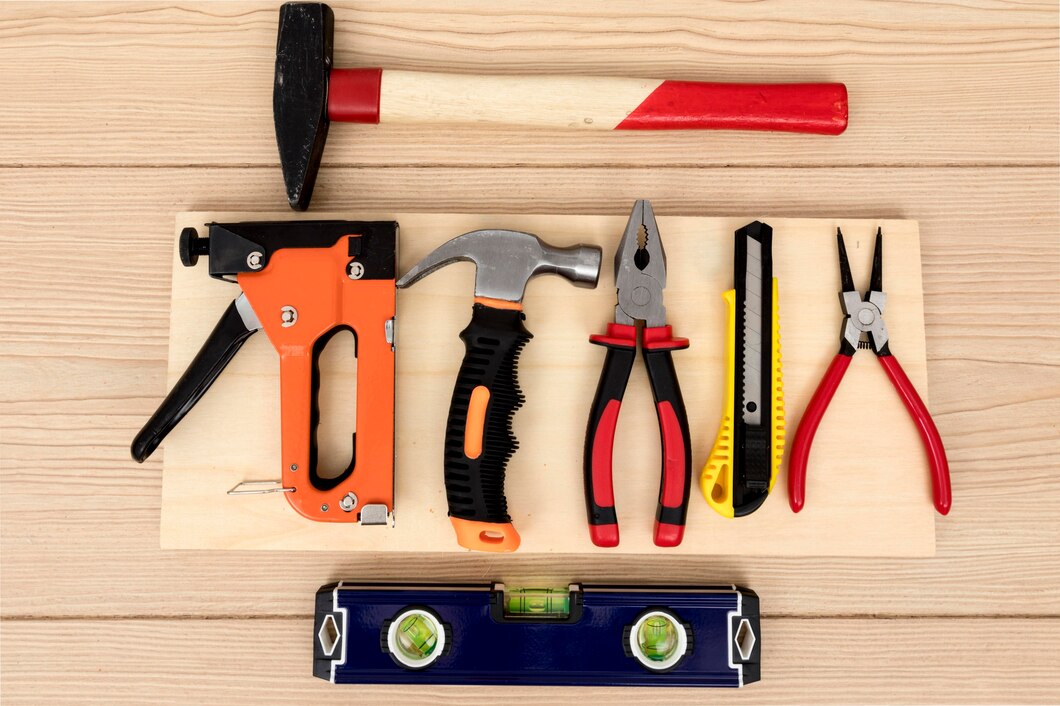
- Claw Hammer: Essential for basic construction and minor furniture fixes (e.g., separating or securing wooden parts).
- Adjustable Wrench: Single most versatile tool for tightening nuts and bolts (e.g., wobbly furniture, plumbing leaks).
- Screwdriver Set: A set of Phillips and Flathead drivers, and a multi-bit driver. Choose high-quality steel tips to prevent stripping.
- Utility Knife and Pliers: For cutting materials (e.g., packaging, wire insulation) and gripping/bending small components.
- Measuring Tape and Level: Necessary for accuracy in all fixing and maintaining tasks.
- Adhesives: High-quality wood glue (for wobbly joints) and super glue (for non-load-bearing plastic/ceramic repairs).
- The Circular Rule: When building repair toolkit for beginners, choose tools with solid construction (steel shafts, durable handles) designed for a lifetime of use. Avoid cheap, disposable sets.
III. Tier 2: Specialized Repair Tools for High-Value Assets
These tools enable specific, high-leverage repairs that prevent the disposal of expensive electronics and textiles (major sources of waste).
1. The Electronics and Appliance Kit (Fighting E-Waste)
- Precision Screwdriver Set (The E-Waste Fighter): Must include specialized, tiny bits (Pentalobe, Torx) used to open smartphones, laptops, and small appliances. This is critical for DIY appliance fix.
- Plastic Spudgers and Opening Tools: Used to safely pry open plastic casings and disconnect delicate ribbon cables without scratching or cracking the device.
- Multimeter: A diagnostic tool for testing voltage and continuity on electrical items, preventing the guessing game of which part has failed.
2. The Textile Repair Kit (Mending and Clothing)
- Needle and Thread Set: Assorted needles (for thick and thin fabrics) and strong thread in core colors (black, white, navy).
- Seam Ripper: The indispensable tool for cleanly removing broken seams or stitching errors for simple clothing repair.
- Fabric Shears: Sharp scissors dedicated to cutting fabric and thread.
IV. Building Repair Toolkit for Beginners: Procurement Strategy
A beginner’s toolkit should prioritize quality over quantity and focus on versatility to maximize the initial investment.
Smart Procurement for Essential Tools for Home Repairs
- Buy a Good Bag/Box First: A sturdy toolbox or tool bag keeps the repair kit organized and protects the tools, ensuring they last longer and are easier to find when needed.
- Borrow and Evaluate: Before buying expensive, specialized tools (e.g., a power drill, a tile cutter), utilize a local tool library or lending circle. This applies the sharing economy principle of “access over ownership” to your toolkit.
- Prioritize Diagnostics: Invest in the most valuable tools for fixing and maintaining assets: a good flashlight, the multimeter, and the precision screwdriver set. These diagnose the problem, often showing that a cheap part replacement is all that is needed.
Conclusion: The Ultimate Investment in Longevity
The purchase of a complete home repair toolkit is the ultimate rejection of the linear, disposable lifestyle. It is a one-time capital expense that yields decades of financial savings and resource independence.
By equipping yourself with essential tools for every common household repair, you move beyond being a passive consumer to an active resource steward. Building repair toolkit for beginners is simple: start with the hammer and wrench, then add the precision tools. Embrace the repair tools—they are the key to a resilient, economical, and truly circular home.
About the Author