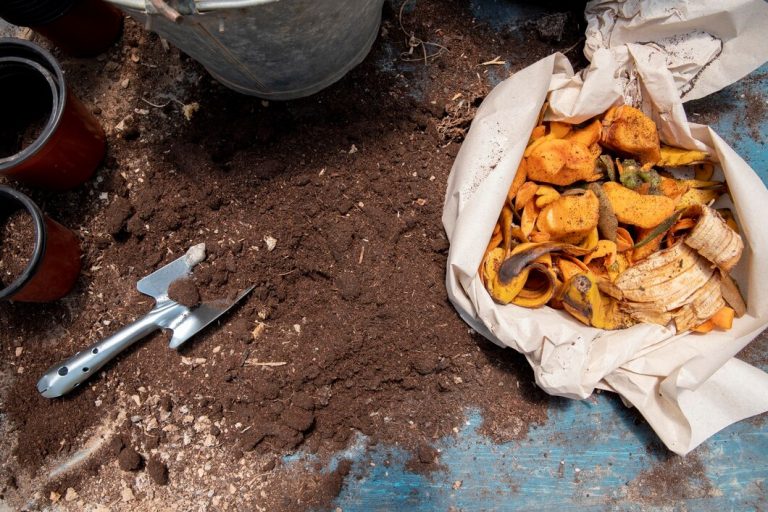
The decision to close the loop on your household food scraps is the single most powerful step you can take toward a circular kitchen. Food waste, which accounts for up to 40% of residential trash, is a biological nutrient that must be returned to the soil, not sent to a methane-producing landfill. But once you commit to composting, the next question is crucial: which home composting system is best for your space, lifestyle, and waste volume?
There are four primary composting methods, each with its own advantages, speed, and space requirements. This definitive composting comparison guide breaks down the science and logistics of traditional compost bins, tumblers, vermicomposting, and bokashi composting. By matching your needs to the right equipment, you can ensure your transition to a circular home is successful and smell-free.
I. The Critical Choice: Finding the Right Composting Methods (The OREO Framework)
Choosing the wrong system for your living situation is the primary reason why new composters quit.
Matching System to Space
Opinion: The most effective home composting systems are those that match your living space—choosing a system too large or too demanding for your home is an act of self-sabotage.
Reason: Composting requires the right balance of volume, aeration, and heat. A small balcony owner attempting a large, open bin will struggle to manage volume and pests. Conversely, a suburban home generating high volumes of yard waste will quickly overwhelm a small vermicomposting bin. The system must be scaled to the input.
Example: Alex lives in an apartment and generates food scraps but no yard waste. If he chooses a traditional open bin, he will quickly create a cold, smelly, anaerobic mess that attracts pests. However, if he chooses Bokashi composting, an anaerobic fermentation method perfect for small, low-volume inputs, he can manage his food scraps discreetly indoors, preparing them for final burial or municipal collection later. The right choice ensures the system works, preventing waste from becoming a problem.
Opinion/Takeaway: Therefore, before purchasing anything, conduct a careful composting comparison based on the criteria below to ensure you select the method best suited to your environment.
II. The Aerobic Methods: Bins and Tumblers
These systems rely on oxygen (aeration) and require a decent amount of space, making them ideal for homes with yards and gardening needs.
1. Compost Bins (The Passive Method)
- How it Works: Material is piled and decomposes naturally. Requires manual turning with a pitchfork or aeration tool to introduce oxygen.
- Pros: Cheapest option; excellent for handling high volumes of mixed food and yard waste; produces the highest quality, most versatile compost.
- Cons: Slowest; requires the most manual labor for turning; susceptible to pests if not managed correctly; requires outdoor space.
- Best For: Suburban homes, large gardens, and those generating significant yard waste.
2. Compost Tumblers (The Active Method)
- How it Works: Enclosed barrel system mounted on a stand. You manually spin the barrel to aerate the contents.
- Pros: Fastest method (can produce compost in 4-8 weeks); fully enclosed, making it pest-resistant; easy turning, requiring minimal labor.
- Cons: Limited batch size; material can “clump” inside the barrel; requires an initial investment in the equipment.
- Best For: Mid-sized yards, busy individuals, and those needing a faster turnover of finished compost.
III. Specialized Composting Methods
These systems are highly specialized solutions for unique constraints, such as indoor use or high volumes of rich food scraps.
3. Vermicomposting (Worm Bins)
- How it Works: Uses specific species of earthworms (like Red Wigglers) to eat food scraps. The worm castings (excrement) are the finished product—a highly potent soil amendment.
- Pros: Can be done year-round indoors (apartments, garages) or outdoors; quiet, clean, and fast; produces the richest, most nutrient-dense compost; perfect for low-volume food waste.
- Cons: Cannot process yard waste, meat, or dairy; temperature sensitive (must stay above $10^{\circ}\text{C}$); requires managing a living colony.
- Best For: Renters, apartment dwellers, classrooms, or anyone needing nutrient-dense compost for indoor plants.
4. Bokashi Composting (Fermentation)
- How it Works: An anaerobic (no-oxygen) process that uses inoculated bran (with beneficial microbes) to ferment all food waste, including meat, dairy, and oil.
- Pros: Can be used entirely indoors; handles all food types; the process is extremely fast (fermentation in 1-2 weeks); minimal odor.
- Cons: The fermented product (pre-compost) is highly acidic and must be buried or added to an existing compost bin for final breakdown; not a finished soil amendment on its own.
- Best For: Small kitchens, urban apartments, and anyone seeking to process a wide variety of food scraps without outdoor space.
IV. Comparing Composting Methods for Apartments (The Final Decision)
Choosing the best system requires prioritizing your constraints.
| Criteria | Best for Apartments (Indoor) | Best for Yard (Outdoor) |
| Space | Bokashi or Vermicomposting | Bins or Tumblers |
| Waste Type | Bokashi (All food, including meat/dairy) | Bins (Food and Yard Waste) |
| Speed | Tumblers (Fastest aerobic) or Bokashi (Fastest pre-compost) | |
| Output Quality | Vermicomposting (Highest nutrient value) | Bins (Highest volume compost) |
| Hands-On | Bokashi (Minimal, mainly filling) | Bins (High manual turning) |
Circularity Check:
Regardless of the method you choose, the key composting comparison metric is diversion rate. How much food scrap waste are you diverting from the landfill? Aim for 90-100% of your organic waste to enter the regenerative biological nutrient cycle.
Conclusion: Matching Your Method to Your Mission
The transition to circularity starts by ensuring that biological nutrients are never treated as waste. By carefully selecting from the various home composting systems, you can set up a sustainable, effective zero waste kitchen that works for you.Whether your space dictates vermicomposting, your volume demands a large compost bin, or your need for versatility points to bokashi composting, the goal remains the same: closing the loop, enriching the earth, and moving away from the resource-destroying linear system. Find your perfect fit and become a resource steward today.
About the Author