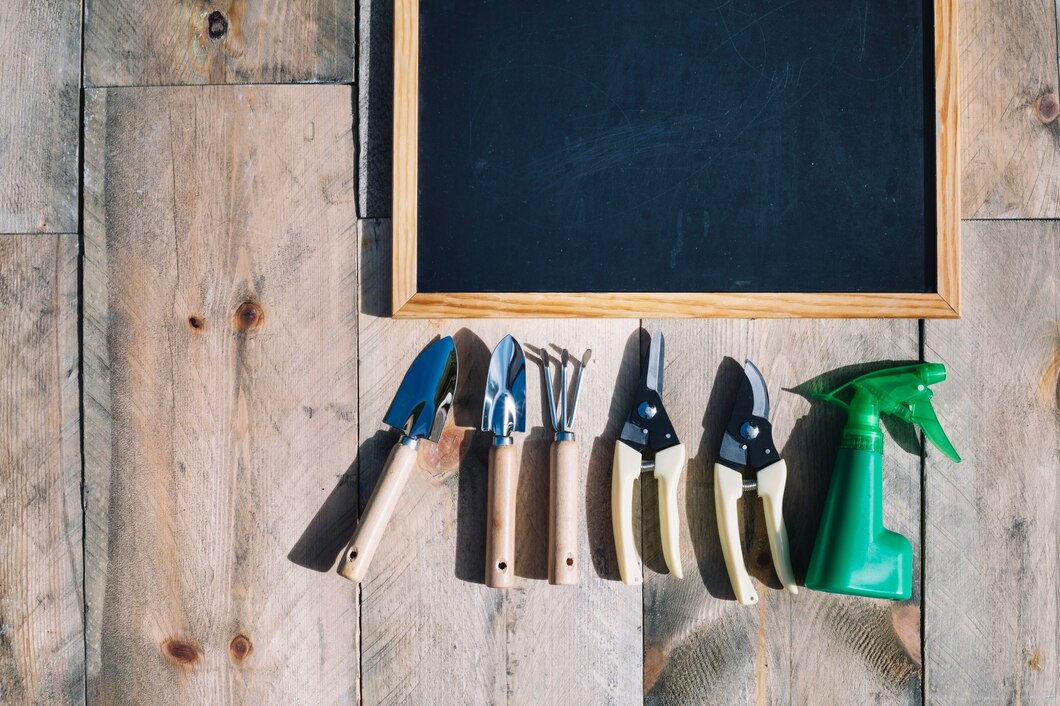
Did you know that a rusty, dull gardening tool requires up to 50% more physical energy to perform the same task as a clean, sharp one? This unnecessary strain is not just a personal inefficiency; it’s a failure of resource stewardship. Every year, millions of high-quality metal tools—shovels, pruners, and hoes—are prematurely discarded because they are neglected, left to rust, and deemed “useless.”
Garden tool maintenance is a fundamental, high-leverage act of the circular economy. Unlike fast-fashion consumer goods, quality tools are designed to be permanent assets, but they demand proactive garden tool care to achieve their full lifespan. This guide provides the definitive playbook for tool sharpening, mastering the process of oiling moving parts, and implementing simple rust prevention techniques that ensure your garden tool maintenance extends your equipment life for decades.
I. The Cost of Rust and Dullness (The OREO Framework)
The assumption that metal is indestructible ignores the corrosive effects of neglect, turning durable assets into scrap.
The Problem of Premature Disposal
Opinion: Allowing high-quality metal garden tools to rust and dull is a systematic destruction of a durable, energy-intensive technical nutrient.
Reason: Steel and iron require massive energy input to manufacture. When a steel shovel is left outside, moisture and oxygen trigger corrosion (rust), chemically degrading the metal. A dull blade requires excessive force, damaging the handle and user, and eventually leading to disposal. The linear economy benefits from this neglect by forcing the consumer to buy a new, energy-intensive replacement.
Example: Mark’s expensive German-made bypass pruners are left outside all winter. The blade rusts and jams, making them unusable. The cost of a new pair is 60. The circular solution is 30 minutes of tool restoration: cleaning the rust with steel wool, sharpening the blade, and applying protective oil. The garden tool maintenance preserves the asset, saving 60 and eliminating the material demand for a new tool.
Opinion/Takeaway: Therefore, proactive rust prevention and regular tool sharpening are essential circular practices that transform metal assets from disposable commodities into multigenerational heirlooms.
II. The Circular Maintenance Protocol: The Three Pillars
Effective garden tool maintenance is a simple three-step process that reverses wear and tear.
1. Cleaning (Stopping Corrosion)
- Action: Immediately after each use, clean all dirt and sap residue from the tool, especially blades and moving joints. Sap is corrosive, and dirt retains moisture, accelerating rust.
- The Fix: Use a hose or bucket of water. For stubborn rust, use steel wool or a wire brush dipped in oil or vinegar to aggressively scrub the oxidized metal.
2. Tool Sharpening (Restoring Function)
- Action: A sharp blade cuts cleanly, reducing stress on the tool and the user. Use a whetstone, file, or specialized sharpener.
- How to Sharpening Garden Tools at Home: Maintain the original bevel (angle) of the blade. For pruners, only sharpen the cutting edge, leaving the flat side (the anvil) alone. For shovels and hoes, use a file on the inner edge to restore the bevel. [Image showing the correct bevel angle for sharpening a garden tool blade]
3. Oiling and Rust Prevention (Protection)
- Action: After cleaning and sharpening, apply a thin layer of oil to all metal surfaces, especially moving joints and exposed blades.
- The Best Oil: Use mineral oil, linseed oil, or even old motor oil. The oil creates a protective barrier against moisture and acts as a lubricant on moving parts (pruners, shears). This is the key to preventing rust on garden equipment.
III. How to Maintain Garden Tools: Specific Tool Care
Different tools require specific attention due to their primary function and material components.
A. Pruners and Shears (The Joint Check)
- Focus: The pivot point. This joint requires constant lubrication to operate smoothly and prevent friction from damaging the metal. After sharpening, lubricate the pivot with a drop of oil.
- Dismantling: For heavy rust, disassemble the pruners completely to clean the internal spring and bolt mechanism, then reassemble with fresh oil.
B. Shovels, Hoes, and Trowels (The Wood Check)
- Focus: The wooden handle. Wood is a biological nutrient that can crack or rot. Sand down rough spots on the handle and rub it with linseed oil to moisturize and protect the wood from drying out.
- Storage: Hang tools on the wall, rather than storing them in a damp shed or allowing the metal to rest directly on concrete, which pulls moisture.
C. Power Equipment (Advanced Tool Care)
- Focus: Fuel and batteries. For gasoline equipment (e.g., tillers, mowers), run the carburetor dry or add fuel stabilizer before winter storage. For battery-powered tools, store Lithium-Ion batteries at a partial charge (around 50%) in a cool, dry place.
IV. The Strategic ROI of Tool Restoration
Garden tool care is a high-yield investment that enhances the user experience, saves money, and secures resource longevity.
- Cost Savings: The accumulated cost of constantly replacing tools far outweighs the minimal annual cost of oil and sharpening stones.
- Efficiency and Ergonomics: Sharp tools reduce physical effort, making gardening safer and more enjoyable, encouraging continued use of the circular, regenerative practice of home gardening.
- Material Value Retention: Tool restoration ensures the resource remains in its highest state of utility, delaying its journey to the scrap yard and eliminating the energy cost of manufacturing a new tool.
- Skill Sharing: The simplicity of sharpening garden tools at home makes this an ideal activity for community repair cafes and workshops.
Conclusion: Stewardship of the Soil and the Steel
The gardening shed should be a bastion of the circular economy. Allowing rust and dullness to consume your tools is an unnecessary act of resource destruction.
How to maintain garden tools is simple: clean, sharpen, and oil. By committing to this routine of garden tool maintenance and rust prevention, you ensure your durable, high-quality metal assets serve not just for a few seasons, but for the next generation, turning every gardening task into an act of sustainable stewardship.
About the Author