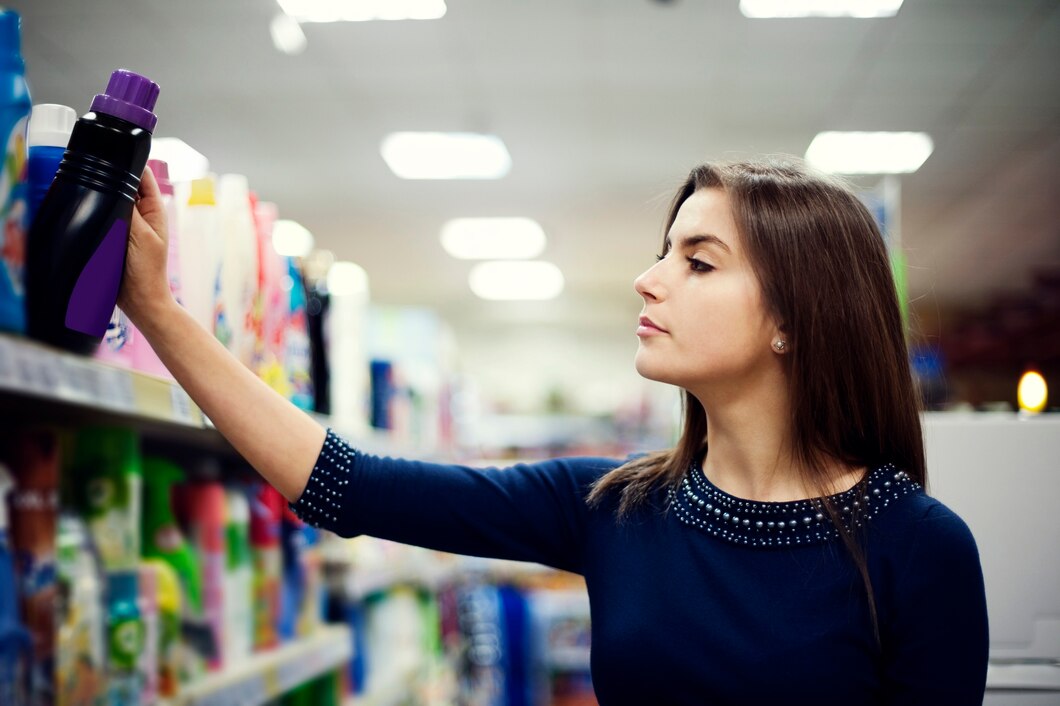
The cleaning aisle in any grocery store is a graveyard of plastic. Every time you need more all-purpose cleaner, laundry detergent, or hand soap, you are forced to purchase a new, low-value plastic bottle. This consumer-facing waste—plastic packaging for heavy, water-based products—is a massive, unnecessary drain on resources and a financial burden on households. Cleaning refill stations are the perfect circular solution.
They completely decouple the product (the concentrated cleaner) from the packaging (the disposable plastic bottle). By switching to refillable cleaning products, you move your consumption from a linear, disposable model to a perpetual, high-value reuse loop. This guide provides a definitive cleaning product refill stations guide for zero waste cleaning, detailing where to refill cleaning products near me and proving that package-free cleaning is the financially superior option.
I. The Absurdity of Packaging Water (The OREO Framework)
The traditional cleaning product supply chain intentionally sells low-value contents (water) in high-value packaging (plastic).
The Waste-by-Design Flaw
Opinion: The continuous purchase of new plastic bottles for cleaning supplies is an act of waste forced upon the consumer by the linear model’s failure to offer a durable packaging system.
Reason: Cleaning products are often 70-90% water. Shipping this heavy liquid across continents increases fuel consumption and carbon footprint. Furthermore, the plastic bottle itself is expensive to manufacture, and when discarded, it immediately becomes low-value waste, creating a perpetual demand for new fossil fuel inputs for packaging. The plastic bottle is the problem, not the product inside.
Example: David buys a new plastic laundry detergent jug for $15 every six weeks. Over five years, he spends over $600 and generates 43 large plastic jugs of waste. By contrast, he brings his original jug to one of the cleaning refill stations. He pays only for the detergent inside (often at a lower unit cost) and generates zero plastic waste. His long-term cost plummets, and he eliminates a significant, high-volume source of household waste.
Opinion/Takeaway: Therefore, refillable cleaning products are a mandatory circular upgrade that ensures we only pay for the concentrated solution, not the environmentally toxic, disposable container.
II. Where to Refill Cleaning Products Near Me: The Search
The ability to successfully transition to zero waste cleaning depends on locating reliable local cleaning refill stations.
Finding Local Refill Options
- Dedicated Zero-Waste Shops: These are the best starting point, offering the widest range of package-free cleaning products, including shampoo, laundry detergent, dish soap, and bulk vinegar.
- Co-ops and Health Food Stores: Many community co-ops have bulk liquid sections, often for laundry and dish soap, alongside food refills.
- Farmers Markets: Some local makers of natural cleaners sell their product at markets and offer a take-back or refill service for their glass jars.
- Online Directories: Use apps and websites dedicated to the “Zero Waste” community to find a map of verified local cleaning refill stations.
- Tip: Call ahead to confirm the store’s protocol and the specific types of products they offer for cleaning product refills (e.g., hand soap, floor cleaner, pet shampoo).
III. Cleaning Product Refill Stations Guide: Protocols and Savings
Using a refill station is a simple, three-step process that requires minimal preparation.
1. Preparation: The BYOC Rule
- Bring Your Own Container (BYOC): Always bring a clean, dry, reusable container. Mason jars, old glass wine bottles, or high-quality plastic jugs from a prior purchase work perfectly. Never bring a dirty container, as it can contaminate the entire bulk product.
- Tare Your Container: The cashier or the station manager will weigh your empty container (the “tare weight”) so that only the weight of the product inside is charged.
2. Refilling Process:
- Select Your Product: Choose from the bulk dispensers. Products are often natural, non-toxic, and made with fewer chemicals than mass-market options.
- Fill and Seal: Fill your container to your desired amount and ensure the lid is tight for the journey home.
3. Financial Circularity:
Refilling typically offers a lower unit cost because you are not paying the manufacturer for the cost of the new plastic packaging. This ensures that refillable cleaning products are cheaper over the long term, maximizing your reusable savings.
IV. Zero Waste Cleaning Product Options: Expanding the Loop
Once you master cleaning product refills, expand your eco cleaning to other high-waste areas.
- Dishwashing: Switch to bulk, package-free dish soap (liquid) or a solid dish soap block (zero packaging).
- DIY Refills: Combine cleaning product refills with DIY solutions. Buy bulk vinegar (a non-toxic cleaner) and dilute it at home with tap water in a refillable spray bottle.
- The Tools Loop: Purchase durable, high-quality cleaning tools (wooden brushes, reusable cloths) that can be maintained and refilled, rather than disposable pads or sponges.
Conclusion: The Perpetual Container
The widespread adoption of cleaning refill stations is a practical and economic necessity for achieving the circular economy. They eliminate the environmental absurdity of shipping water in disposable plastic.
By following this cleaning product refill stations guide and committing to refillable cleaning products, you are engaging in a highly visible and effective act of circularity. Find where to refill cleaning products near me today, and transform your cost-incurring plastic trash into a permanent, reusable asset.
About the Author