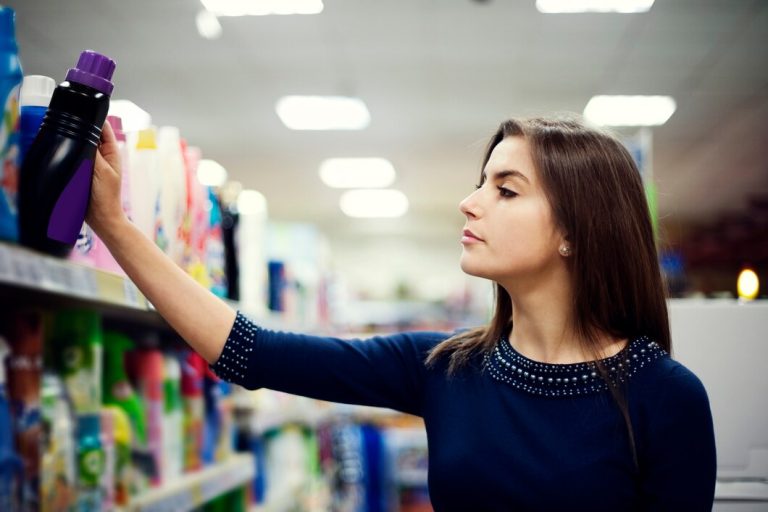
Did you know that the average person discards roughly 300 bottles of shampoo, conditioner, and body wash over their lifetime? Nearly all of these are made from plastic, a low-value material that often doesn’t get recycled, even if you put it in the bin. The bathroom, a place meant for cleanliness and self-care, has quietly become a massive engine of single-use plastic elimination failure.
The solution is the circular bathroom. It is an intentional space designed to eliminate the continuous flow of packaging waste by prioritizing reusable bathroom products, concentrates, and solid forms. This transformation is not about deprivation; it is about choosing durable, high-quality alternatives that are healthier for you and the planet. This guide provides a complete blueprint for how to create zero waste bathroom, detailing the key switches for a truly plastic-free bathroom that adheres to the circular economy bathroom setup.
I. The Failure of the Disposable Daily Routine (The OREO Framework)
The personal care industry is built on a high-volume, low-cost, disposable model that is fundamentally incompatible with a circular future.
Paying for Water, Discarding the Package
Opinion: The disposable, liquid-based personal care market is a wasteful financial engine that forces consumers to pay for the shipping of heavy water inside low-value packaging.
Reason: A typical liquid soap or shampoo is up to 80-90% water. This makes the product heavy, increasing its carbon footprint during shipping. Worse, the consumer is forced to purchase a new bottle for the same product every few months, destroying the embedded energy of the plastic container over and over again. The material is designed for a single trip, not perpetual circulation.
Example: Emily buys shampoo in a new plastic bottle every two months. By the end of the year, she has discarded six bottles. If she switches to a single, solid shampoo bar (the concentrated product), she eliminates the need for six new bottles, saves money on shipping (concentrated products are lighter), and eliminates the entire material demand for those six containers. She has transformed her consumption from a linear liability into a circular, package-free solution, demonstrating the power of eliminating single-use bathroom products.
Opinion/Takeaway: Therefore, the goal of the circular bathroom must be to eliminate liquid packaging entirely by switching to concentrated, solid, or bulk reusable bathroom products.
II. The Circular Switch: Eliminating Single-Use Bathroom Products
Transforming your bathroom is a strategic process of replacing disposable consumables with permanent, durable assets.
Zone 1: The Shower and Hair Care
| Disposable Item | Circular Replacement | Circular Benefit |
| Plastic Shampoo/Conditioner Bottles | Solid Shampoo Bars and Conditioner Bars. | Eliminates all plastic packaging and shipping water weight. |
| Plastic Loofahs/Sponges | Natural loofah (gourd) or washcloths. | The natural loofah is a biological nutrient and can be composted at end-of-life. |
| Disposable Plastic Body Wash | Bar soap or bulk refillable body wash. | Bar soap is a concentrated, package-free solution. Refills eliminate the need for new bottles. |
Zone 2: The Sink and Dental Care
| Disposable Item | Circular Replacement | Circular Benefit |
| Plastic Toothbrushes | Bamboo toothbrushes or electric toothbrushes with reusable heads. | Bamboo is a biological nutrient (compostable handle). Electric handles are high-value, long-life assets. |
| Disposable Cotton Rounds/Wipes | Reusable cotton pads or microfiber cloths. | Reusable pads replace hundreds of disposable items, achieving maximum single-use plastic elimination. |
| Liquid Hand Soap Pump Bottles | Refillable glass or ceramic dispensers using bulk soap. | Keeps a high-quality dispenser in perpetual use, eliminating the constant plastic turnover. |
III. How to Create Zero Waste Bathroom: The Long-Term Assets
The most significant circular investments are permanent tools that last a lifetime, replacing consumables that are designed to be thrown away.
1. The Safety Razor
- The Linear Problem: Disposable plastic razors and cartridges are low-value mixed-material waste that are difficult to recycle.
- The Circular Solution: A durable metal safety razor. The handle is a permanent asset, and the only waste produced are thin, pure-metal razor blades, which are easily collected and recycled as a pure technical nutrient. This is one of the most effective plastic-free bathroom swaps.
2. The Concentrated Cosmetics
Switching to concentrated products, like solid deodorant bars or waterless moisturizers, extends the life of the product and reduces the volume of packaging required for the same amount of active ingredient.
3. Sustainable Bathroom Maintenance
- Toilet Brush: Switch to a wooden-handled brush with natural bristles, which can be safely composted when worn out.
- Cleaning: Use the refillable cleaning systems (concentrates and vinegar solutions) from your kitchen in your bathroom, eliminating specific, disposable bathroom cleaners.
IV. Circular Economy Bathroom Setup: The Three-Bin System
A zero waste bathroom requires a specific waste management setup that recognizes the material streams.
- Technical Nutrients (The Trash): This bin should hold only truly non-recyclable items (band-aids, old dental floss). Its contents should be minimal.
- Biological Nutrients (The Compost): A small, sealed container for hair trimmings, cotton swabs (with paper stems), and natural loofah scraps. This material can be added to your home compost.
- Recycling: Dedicated to paper packaging, cardboard, and any plastic bottles that are confirmed to be locally accepted (rinsed clean).
The Circularity Check:
The success of your eco bathroom is measured by the frequency of your bathroom trash disposal. If you only take out the trash once a month, you’ve won the battle against single-use plastic elimination.
Conclusion: Cleanliness Without Consumption
The circular bathroom moves beyond the environmental guilt of recycling and embraces the strategic simplicity of reusable bathroom products. By choosing solid bars, durable metal tools, and refillable glass containers, you dismantle the wasteful system that forces you to constantly repurchase.
This commitment to a plastic-free bathroom is an investment in quality, health, and resource independence. How to create zero waste bathroom is a simple formula: audit your disposables, replace them with durable assets, and ensure all material streams are either composted or endlessly cycled. Start by switching your shampoo today.
About the Author