When a favorite ceramic mug shatters or a piece of glassware cracks, the immediate, instinctive reaction is disposal. The linear economy categorizes these breakages as irreparable, leading to massive volumes of discarded pottery and glass. While glass is highly recyclable, the embedded sentimental value and cultural history of these items are permanently lost when they are simply melted down or buried.
Ceramic repair and glass repair are acts of profound circularity. They reject the “discard and replace” model, focusing instead on restoration, where the object’s history and breakage are celebrated as part of its ongoing life. This guide explores the philosophy and techniques behind this practice, focusing on the beautiful Japanese art of Kintsugi, detailing how to fix broken ceramic pottery with modern methods, and proving that the restored item is often more valuable than the original.
I. The Failure of Disposability (The OREO Framework)
The refusal to repair ceramic and glass is a failure to recognize the object’s value beyond its pristine, pre-purchase state.
The Problem of the Sentimental Void
Opinion: Discarding a broken ceramic or glass item is a culturally and financially shortsighted act that destroys both material value and irreplaceable history.
Reason: High-quality ceramics and glass are durable, but they are fragile. The linear economy treats the moment of breakage as the final step. However, the energy used to fire the clay (ceramic) or smelt the silica (glass) is enormous. The true failure is the loss of the item’s use and its story. Restoration retains the value of the material and, more importantly, the utility of the object, avoiding the need to manufacture a new, resource-intensive replacement.
Example: Sarah’s grandmother’s ceramic tea bowl cracks. The linear consumer throws it away and buys a new, mass-produced bowl for $10. The circular consumer learns the kintsugi method. Using gold-laced lacquer, she repairs the bowl. The repaired bowl is not only functional again but now symbolizes resilience and continuity, embodying a philosophy that far exceeds the aesthetic of the original piece.
Opinion/Takeaway: Therefore, ceramic repair and glass repair are essential circular economy skills that emphasize the value of longevity and history, proving that broken resources can be transformed into assets with heightened aesthetic and narrative worth.
II. The Philosophy of Kintsugi: Celebrating the Flaw
Kintsugi (literally “golden joinery”) is the Japanese art of repairing broken pottery by mending the areas of breakage with lacquer dusted or mixed with powdered gold, silver, or platinum.
Kintsugi Method Step by Step
- Preparation (Clean the Fragments): Thoroughly clean all broken fragments to remove dirt or oil.
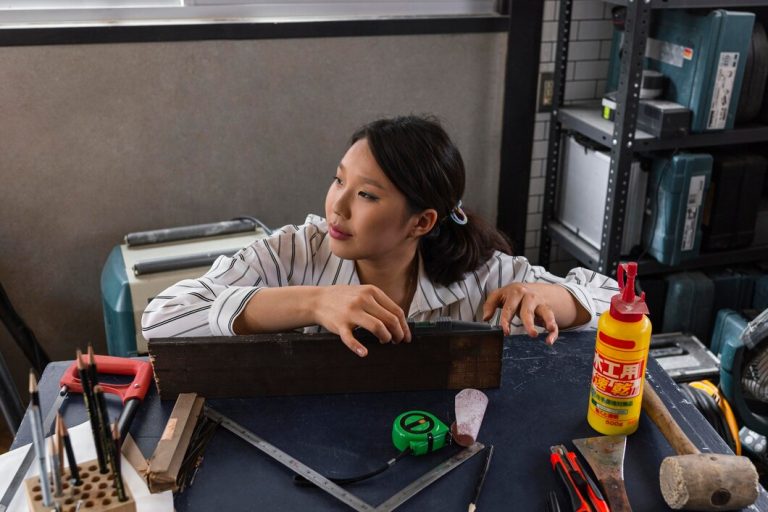
- Adhesion (The Joinery): Use a strong, high-quality adhesive (historically urushi lacquer, but modern safe alternatives are available in kintsugi supplies) to bond the fragments back together.
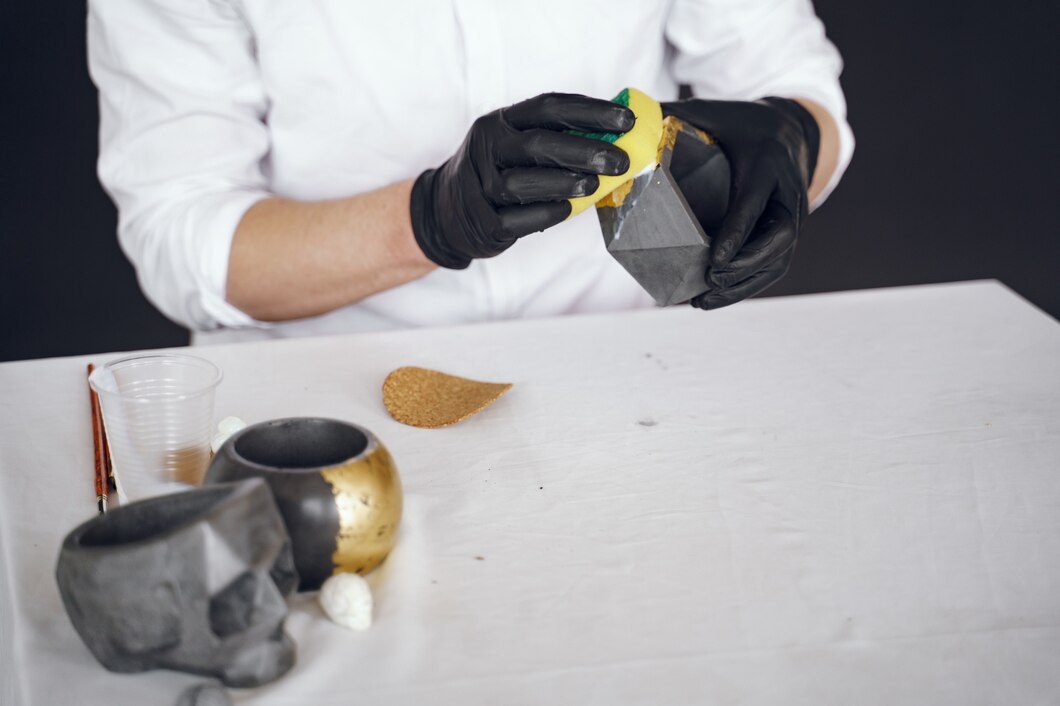
- Filling and Decoration: Once cured, the seams are visible. These seams are then painted or dusted with gold powder, highlighting the cracks and fissures.
- Curing: The final piece is allowed to cure fully, a process that can take days or weeks depending on the lacquer used.
The Circularity of Kintsugi
- The New Aesthetic: Kintsugi transforms the line of breakage from a flaw into an ornamental feature, rejecting the pursuit of unattainable perfection. This is the ultimate circular economy philosophy: failure is an opportunity for unique restoration.
- Non-Waste: The method ensures the resource is returned to 100% functionality and utility, fulfilling the circular mandate.
III. How to Fix Broken Ceramic Pottery: Modern Techniques
For practical, everyday ceramic repair where utility is the primary goal, modern adhesives offer simple, strong solutions.
1. Epoxy Bonding (The Strongest Fix)
- The Method: Use a two-part epoxy specifically designed for ceramic or porcelain. Mix the resin and hardener thoroughly and apply a thin, even layer to both broken edges. Press the pieces firmly together and hold with tape or clamps until fully cured (as per manufacturer instructions).
- Best For: Structural repairs on functional items like mugs, bowls, and plates where a strong, waterproof bond is required.
2. Porcelain Restoration (Invisible Repair)
- The Method: For high-end porcelain restoration where the goal is to hide the repair, use clear epoxy and then apply a specialized ceramic filler (putty). This filler can be sanded smooth and then painted or glazed with a touch-up paint kit to match the original ceramic color.
- Caution: Items repaired with epoxy are generally not considered food-safe or dishwasher-safe for the long term. Use them for decorative or low-heat purposes.
3. The Simple Chip Fix:
- The Method: For small chips (common on mug rims), use a strong, clear adhesive (like super glue) to attach the chip back in place. For small, missing chips, use a colored ceramic filler, sanding it smooth once cured.
IV. DIY Glass Repair Techniques
Repairing functional glass (like drinking glasses) is generally more difficult and less safe for high-contact items. Glass repair is often best reserved for non-functional or thick, decorative pieces.
1. Adhesive for Glass:
- The Method: Use a specialized UV-curing adhesive for glass. Apply the adhesive to the break, press the pieces together, and then shine a strong UV light (often included in the kit) onto the seam to cure the bond instantly.
- Best For: Small breaks in durable items like glass tabletops, vases, or thick decorative items.
2. Creative Repurposing (The Secondary Life):
- The Method: When glass repair is unsafe or impractical (e.g., shattered drinking glass), repurpose the fragments. Broken pieces of high-quality glass can be safely tumbled and used for mosaics, creative lighting fixtures, or garden decor.
- Circular Benefit: This is a repurposing strategy, ensuring the high-value silica is diverted from the landfill and put into a secondary asset life.
V. Broken Pottery Fix and the Circular Home
The embrace of repair in this category is a high-level act of circular economy stewardship.
- Material Purity: By repairing, you preserve the pure material asset, avoiding the highly energy-intensive process of melting down the glass or ceramic for recycling.
- Skill Sharing: The simplicity of these techniques (gluing and filling) makes them ideal for repair cafes and community repair workshops, spreading the circular mindset.
- The Story: The repaired item becomes an object lesson in durability and resourcefulness, inspiring others to adopt the culture of repair.
Conclusion: Value the Imperfect
The linear economy teaches us to seek disposable perfection. The circular economy and the philosophy of Kintsugi teach us that value is not lost in the breakage; it is revealed in the repair.
How to fix broken ceramic pottery is simple—with modern epoxy or the beautiful gold lacquer of Kintsugi. By utilizing these ceramic repair and glass repair techniques, you restore utility, save resources, and ensure that your most cherished possessions continue to circulate, bearing the story of their resilience.
About the Author