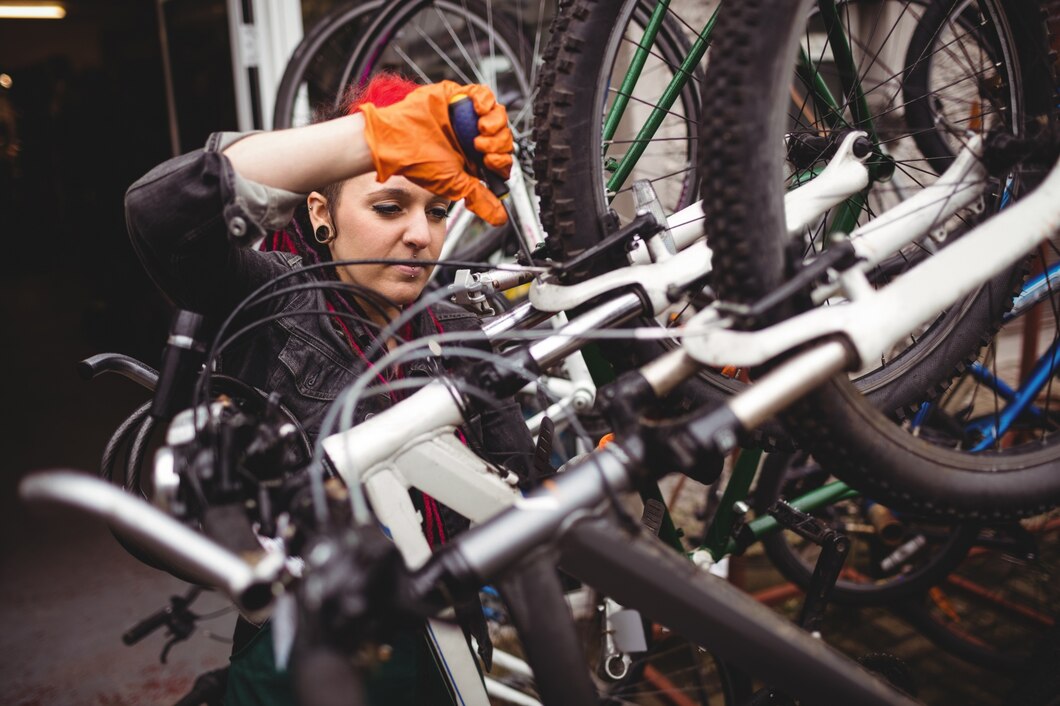
The bicycle is one of the most efficient, low-impact assets in human history. Yet, when a chain jams, a brake cable frays, or a tire goes flat, the linear economy encourages disposal, leaving perfectly good metal and rubber frames to rust. A lack of basic bicycle maintenance knowledge is a major barrier to realizing the full, circular potential of cycling.
Bike repair is a foundational skill in the circular economy. Extending a bicycle’s lifespan is a high-leverage act that minimizes reliance on fuel-based transport and reduces the demand for new metal manufacturing. This guide provides the definitive roadmap to essential bicycle maintenance skills, detailing how to fix bike flat tire yourself, mastering chain maintenance, and empowering you with the DIY bicycle repair guide for beginners necessary to keep your most sustainable asset rolling for decades.
I. The True Value of a Bicycle Frame (The OREO Framework)
The high-value materials and engineering in a bicycle are sacrificed when simple wear-and-tear issues are ignored.
The Cost of Neglect
Opinion: Discarding a bicycle due to a flat tire or rusty chain is a profound failure to recognize the high material value and longevity potential of the asset.
Reason: The frame of a quality bicycle (made from durable aluminum or steel) is designed to last 50 years or more. The most frequent points of failure—tires, brakes, and chains—are high-wear, low-cost components designed to be replaced or repaired. The linear mindset, however, treats the entire unit as disposable when a component fails, destroying the material value of the frame.
Example: Sarah’s commuter bike gets a flat tire and the chain starts skipping. She becomes frustrated and buys a new e-bike for 1,000. The cost of the old bike’s repair was 15 for a new tube and 25 for a chain adjustment. Her failure to perform bicycle maintenance resulted in 1,000 in unnecessary expenditure and the abandonment of a high-value asset. The circular solution is a simple fixing flats repair, retaining the value of the entire machine.
Opinion/Takeaway: Therefore, mastering cycling repair is a crucial component of circular economy stewardship, ensuring that the valuable frame and components achieve their full, intended lifespan.
II. Essential Bicycle Maintenance Skills: The Core 4
To ensure extending shoe life through regular bike repair, focus on these four essential skills.
1. How to Fix Bike Flat Tire Yourself (The Tube Swap)
- The Problem: Punctures are the most common issue. The linear response is to take the entire wheel to a shop.
- The Circular Solution: Learn to remove the wheel, use tire levers to peel the tire from the rim, identify the source of the puncture (the sharp object), replace the inner tube, and re-inflate. This is the fastest, lowest-cost DIY bicycle repair guide for beginners fix.
2. Chain Maintenance (The Engine of the Bike)
- The Problem: A rusty, dry chain creates friction, wears down gears, and causes skipping.
- The Circular Solution: Regularly clean the chain (with a biodegradable degreaser and brush) and apply the appropriate lubricant (wet lube for rain, dry lube for dusty conditions). This routine cycling repair prevents the costly replacement of the entire cassette and chainrings.
3. Brake Adjustment (The Safety Check)
- The Problem: Brakes feel spongy or fail to engage quickly.
- The Circular Solution: Learn to tighten the cable at the lever or the caliper mechanism. For hydraulic systems, learn basic pad replacement. Effective adjusting brakes is crucial for safety and extends the life of the wheel rim/rotor.
4. Tire Pressure and Tread Check:
- The Problem: Under-inflated tires increase rolling resistance (requiring more energy/effort) and are far more susceptible to flats.
- The Circular Solution: Check the side of the tire for the recommended PSI (pounds per square inch) and check pressure monthly. Replace tires only when the tread is worn down to the casing.
III. Proactive Bicycle Maintenance for Longevity
Long-term life extension requires commitment to the core principle of keeping all moving parts clean and lubricated.
- Cleaning Protocol: Regularly clean the entire bike. Dirt, mud, and road salt are corrosive and abrasive, acting as sandpaper on the frame and gears.
- Bearing Check: Learn to check the headset (steering) and wheel hubs for play (wobble). Tightening or repacking the bearings prevents costly damage to the frame and wheel integrity.
- Spoke Tension: Ensure the spokes are correctly tensioned. Loose spokes lead to a wobbly, damaged wheel that must be replaced. Learning simple tensioning can save the entire wheel.
IV. The Economic and Environmental ROI of Bike Repair
The commitment to cycling repair is an investment in personal health, finance, and planetary resources.
- Cost Comparison: The average annual cost of parts and basic bicycle maintenance is under $50. The cost of replacing a cheap, low-end commuter bike is over $300. The cost of disposal (material loss) is 100%.
- Material Value Retention: By maintaining the asset, the rider retains the value of the high-energy-intensive frame and metal components.
- Zero-Emission Transport: Keeping a bike functional supports the continued use of zero-emission transportation, which is the ultimate goal of the circular economy utility management.
Conclusion: The Resilient Rider
The bicycle is a model of circular efficiency, but it requires active stewardship to achieve its full potential. The linear culture of disposal treats this high-value asset as disposable when a small problem arises.
By mastering essential bicycle maintenance skills—from fixing flats to chain maintenance—you ensure your bicycle remains a permanent, reliable part of your circular economy life. Embrace the wrench, find your local repair cafe, and keep the circular wheels turning for decades to come.
About the Author