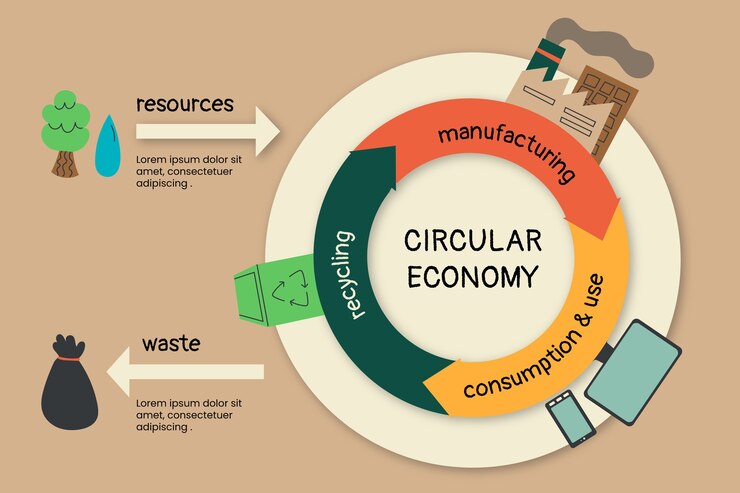
The sharing economy has transformed the way we access goods and services, shifting the focus from ownership to access. Instead of buying everything we need, we now participate in systems of collaborative consumption, where individuals and businesses share underutilized assets such as cars, homes, tools, and even skills.
At its core, the sharing economy is about maximizing efficiency. It connects people who have resources with those who need them, creating opportunities for shared resources, reduced waste, and more flexible lifestyles. Whether it’s car sharing, space rental, or skill exchange, these systems are reshaping how we live, work, and interact.
In this guide, we’ll explore the full scope of the sharing economy—from its origins to the best sharing economy platforms, and how you can benefit from collaborative consumption opportunities while accessing shared resources locally.
What Is the Sharing Economy?
The sharing economy refers to a system where individuals share access to goods and services, often facilitated by digital platforms. Instead of owning items outright, users can rent, borrow, or exchange them.
This model is also known as collaborative consumption, a term that emphasizes the collective use of resources.
Key Characteristics:
- Peer-to-peer transactions
- Digital platform facilitation
- Temporary access instead of ownership
- Efficient use of underutilized assets
For example:
- Renting a car instead of owning one (car sharing)
- Renting a room instead of booking a hotel (space rental)
- Trading skills instead of paying cash (skill exchange)
This approach creates a more flexible and resource-efficient economy.
The Rise of Collaborative Consumption
The concept of collaborative consumption has gained momentum due to several factors:
1. Digital Technology
Mobile apps and online platforms make it easy to connect users.
2. Cost Savings
Sharing is often cheaper than owning.
3. Environmental Awareness
Using shared resources reduces waste and carbon footprint.
4. Urbanization
Cities benefit from shared systems due to limited space and high costs.
5. Changing Mindsets
People increasingly value access over ownership.
These factors have fueled the growth of the sharing economy worldwide.
Types of Sharing Economy Platforms
The sharing economy spans multiple industries. Let’s explore the most common categories.
1. Car Sharing: Mobility Without Ownership
Car sharing is one of the most popular forms of collaborative consumption.
Instead of buying a car, users can:
- Rent vehicles by the hour or day
- Share rides with others
- Access cars parked nearby
Benefits:
- Lower costs (no maintenance or insurance)
- Reduced traffic congestion
- Lower environmental impact
Examples of Use:
- Short trips within a city
- Occasional travel needs
- Commuting alternatives
Car sharing is especially useful in urban areas where owning a car is expensive and inconvenient.
2. Space Rental: Sharing Homes and Workspaces
Space rental platforms allow people to rent out unused spaces such as:
- Homes
- Apartments
- Rooms
- Offices
- Storage spaces
This category has revolutionized travel and work.
Benefits:
- Affordable accommodation options
- Unique travel experiences
- Flexible workspace solutions
It also allows property owners to earn income from unused spaces.
3. Skill Exchange: Trading Knowledge and Talent
The sharing economy extends beyond just tangible items and includes services, skills, and digital resources. Skill exchange platforms allow people to share knowledge and services.
Examples:
- Teaching a language in exchange for coding lessons
- Offering design services in return for marketing help
- Sharing professional expertise
Benefits:
- Cost-effective learning
- Community building
- Skill development
Skill exchange promotes collaboration over competition.
4. Shared Resources: Tools, Equipment, and More
Many platforms focus on shared resources such as:
- Tools
- Appliances
- Sports equipment
- Books
Instead of buying rarely used items, users can borrow or rent them.
Benefits:
- Reduced waste
- Lower costs
- Efficient use of resources
This model is gaining popularity in local communities.
Best Sharing Economy Platforms Around the World
The rise of the sharing economy has led to the development of many platforms.
Popular Categories:
Car Sharing Platforms
- Ride-sharing apps
- Peer-to-peer car rental services
Space Rental Platforms
- Home-sharing apps
- Co-working space platforms
Skill Exchange Platforms
- Freelance marketplaces
- Skill-sharing communities
Resource Sharing Platforms
- Tool libraries
- Community exchange networks
These are considered some of the best sharing economy platforms because they provide reliable access to shared resources.
Collaborative Consumption Opportunities in Daily Life
The sharing economy offers numerous collaborative consumption opportunities that can be integrated into everyday life.
Examples:
- Sharing rides to work
- Renting tools for home projects
- Booking shared workspaces
- Exchanging services with neighbors
These small changes can significantly reduce costs and environmental impact.
Accessing Shared Resources Locally
One of the most practical aspects of the sharing economy is accessing shared resources locally.
How to Do It:
- Join local community groups
- Use neighborhood apps
- Explore local sharing platforms
- Participate in community events
Local sharing strengthens community bonds while promoting sustainability.
Benefits of the Sharing Economy
The sharing economy offers multiple advantages:
1. Cost Savings
Accessing shared resources is often cheaper than ownership.
2. Sustainability
Reduces waste and environmental impact.
3. Flexibility
Provides access without long-term commitment.
4. Community Building
Encourages interaction and collaboration.
5. Income Opportunities
Allows individuals to monetize unused assets.
Challenges of the Sharing Economy
Despite its benefits, the sharing economy also faces challenges:
1. Trust and Safety
Users must rely on reviews and ratings.
2. Regulation Issues
Legal frameworks vary across regions.
3. Quality Control
Service quality can be inconsistent.
4. Platform Fees
Some platforms charge high commissions.
Understanding these challenges helps users make informed decisions.
Environmental Impact of Shared Resources
The sharing economy plays a key role in sustainability.
Positive Effects:
- Reduced production of goods
- Lower carbon emissions
- Efficient use of resources
For example, car sharing reduces the number of vehicles on the road, while space rental maximizes existing infrastructure.
The Role of Technology in the Sharing Economy
Technology is the backbone of the sharing economy.
Key Technologies:
- Mobile apps
- GPS tracking
- Online payment systems
- Rating and review systems
These tools make it easy to connect users and manage transactions.
The Future of the Sharing Economy
The sharing economy is expected to grow further with:
- Increased digital adoption
- Expansion into new industries
- Greater focus on sustainability
- Integration with smart cities
Emerging trends include:
- Shared mobility solutions
- Decentralized platforms
- AI-driven matching systems
How to Get Started with the Sharing Economy
If you want to participate, start small:
Step 1: Identify Needs
What do you need occasionally?
Step 2: Explore Platforms
Find relevant sharing services.
Step 3: Start Sharing
Rent, borrow, or exchange resources.
Step 4: Build Trust
Use reviews and ratings responsibly.
Tips for Safe and Smart Participation
- Verify user profiles
- Read reviews carefully
- Use secure payment methods
- Follow platform guidelines
These tips ensure a positive experience.
Conclusion: A New Way of Living and Consuming
The sharing economy is more than a trend—it is a shift toward smarter, more sustainable living. By embracing collaborative consumption, we reduce waste, save money, and build stronger communities.
From car sharing and space rental to skill exchange and shared resources, the opportunities are endless. The key is to explore collaborative consumption opportunities and start accessing shared resources locally.
As technology continues to evolve, the sharing economy will play an even bigger role in shaping the future of consumption.
It is not just about sharing—it is about rethinking ownership, value, and connection in a rapidly changing world.
About the Author