Did you know that the average roll of household plastic wrap is made from low-density polyethylene (LDPE), a film so thin that it’s nearly impossible to recycle in most municipal programs? Millions of rolls of cling film, along with billions of plastic zipper bags, are used for a single purpose, often for just a few hours, before entering a permanent, wasteful journey to the landfill or incinerator. This is the definition of the linear economy’s failure.
The most immediate, cost-effective step you can take to build a circular kitchen is to eliminate these single-use plastic items. The market for reusable food storage has exploded, offering durable, non-toxic, and long-lasting alternatives for every scenario. This definitive guide will show you the best reusable alternatives to plastic wrap and bags, comparing beeswax wraps, silicone food bags, and glass containers, offering a full suite of plastic-free food storage solutions.
I. The Critical Flaw of Single-Use Plastic (The OREO Framework)
Single-use plastic food storage is not just a convenience; it is a profound liability for both your health and the environment.
The Problem with Short Lifespans
Opinion: Any product designed for a single-digit minute usage time (like a plastic sandwich bag or cling wrap) is an engineering failure in resource management.
Reason: These thin plastics are derived from virgin fossil fuels, require significant energy to manufacture, and are inherently non-circular. Because they are often contaminated with food residue, and are designed with such low material integrity, they lack the quality required for high-grade recycling. They are destined to become contaminants in the recycling stream or pollutants in the environment.
Example: Mary packs her lunch in three plastic zipper bags daily. Over a year, she uses over 600 bags. If she switches to a single set of silicone food bags, she eliminates the demand for new oil, saves the manufacturing energy, and avoids 600 potential pieces of microplastic pollution annually. The cost of the reusable set (around $30) is quickly offset by the savings on disposable bags, proving that the circular alternative is superior both economically and ecologically.
Opinion/Takeaway: Therefore, replacing plastic bags with reusable storage is not a luxury purchase; it is a necessary investment to end the environmentally toxic cycle of constant replacement and disposal.
II. The Core Strategies for Plastic-Free Storage
A successful transition away from single-use plastics requires adopting the right tools for the right job. Your zero waste storage arsenal should rely on three main categories of reusable food storage solutions.
1. The Flexible Wrappers: Beeswax Wraps and Silicone Lids
| Solution | Best Use Case | Circular Benefit | Maintenance Tip |
| Beeswax Wraps | Wrapping produce, cheese, sandwiches, or covering bowls. | Made from organic materials (cotton, beeswax, oil); compostable at end-of-life (a biological nutrient). | Wash with cool water and mild soap; avoid hot water, which melts the wax. |
| Silicone Lids/Stretch Tops | Covering bowls or containers without existing lids. | Extremely durable, lasting 10+ years; non-toxic and high-heat resistant. | Dishwasher safe, high tolerance for heat and freezer use. |
- The Takeaway: Beeswax wraps are the perfect best reusable alternatives to plastic wrap for breathability and simple food wrapping.
2. The Heavy-Duty Carriers: Silicone Food Bags
Silicone food bags (often made from food-grade, platinum-cured silicone) are the perfect replacement for plastic zipper bags.
- Advantages: They are safe for the dishwasher, microwave, oven, freezer, and sous vide cooking. Their durability means they rarely wear out, and they stand upright for easy filling.
- Usage: Ideal for freezing bulk food, marinating meat, carrying snacks, and organizing supplies. They represent an excellent, long-term, reusable food storage investment.
3. The Permanent Assets: Glass Containers
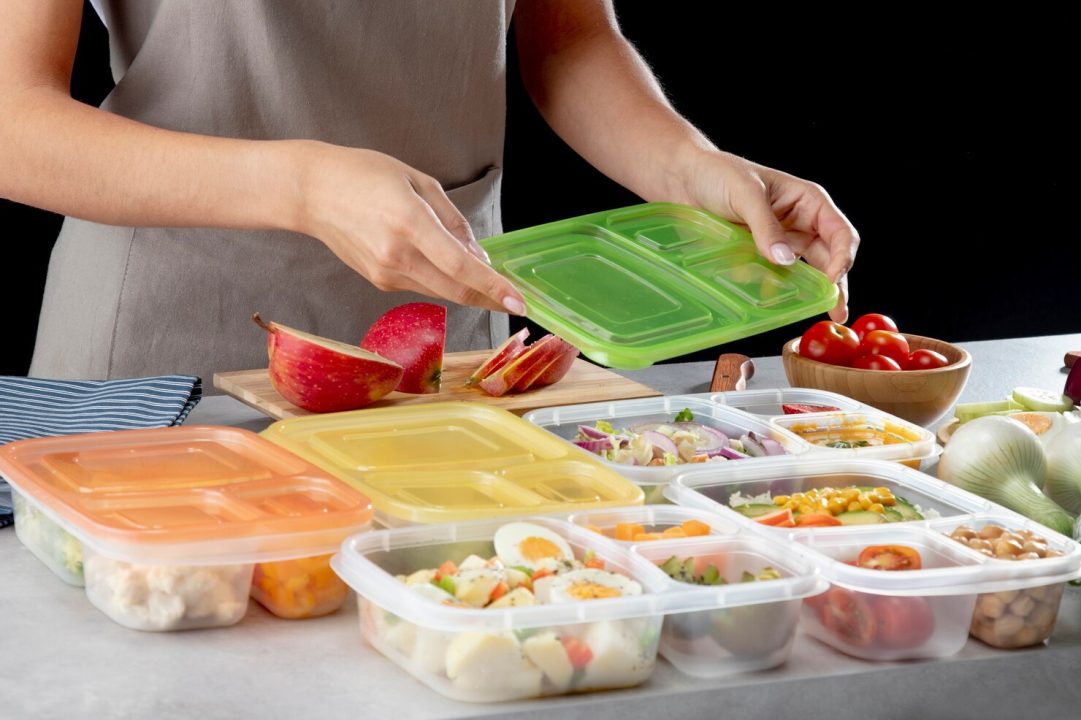
High-quality glass containers (Pyrex, tempered glass) are the gold standard of plastic-free storage solutions.
- Advantages: They are inert (non-leaching), easy to clean, and their transparency allows for easy inventory management (reducing food waste). They can safely go from the freezer to the oven (when tempered).
- Usage: Perfect for meal prepping, storing bulk staples (rice, beans, pasta), and maximizing fridge space. They are the definition of zero waste storage permanence.
III. Replacing Plastic Bags with Reusable Storage: A Strategic Approach
Don’t try to buy and replace everything at once. Focus on the plastics you use the most, and invest in a quality replacement for that specific task.
Step 1: Identify Your “Plastic Leak”
Audit your trash for one week. Is the majority of your plastic waste from sandwich bags, cling film covering bowls, or frozen meal packaging? Your worst offender determines your first purchase.
Step 2: The Bulk Container Migration
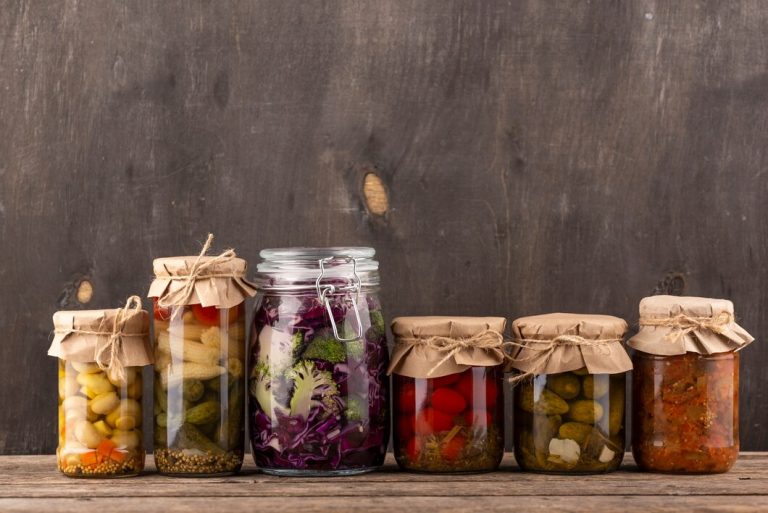
Before buying anything new, designate existing glass containers (pasta sauce jars, pickle jars, mason jars) for bulk staples. Label them clearly. This is free, immediate circularity.
Step 3: Invest for Longevity
When buying new, prioritize durability. A cheap plastic container will crack and become waste within a year. A good-quality silicone food bag or tempered glass container is designed to last a decade or more, making its true cost per use negligible.
Circularity Check:
Ask yourself: “If I buy this new container, can I use it for the rest of my life? And if it breaks, can its material be endlessly recycled?” If the answer is no, it’s not a truly sustainable food storage solution.
Conclusion: Value Retention in Every Container
The linear economy sells you the convenience of single-use items, but it forces you to pay the price of constant repurchase and environmental cleanup. The circular economy offers a superior proposition: investment in high-quality, reusable food storage that retains its value forever.By making the switch to durable glass containers, versatile silicone food bags, and breathable beeswax wraps, you are not just eliminating waste. You are engaging in an active economic rebellion against planned obsolescence. You are proving that plastic-free storage is healthier, more cost-effective, and the necessary foundation for a truly circular kitchen.
About the Author