Did you know that in the interval between Thanksgiving and New Year’s Day, household waste in the United States increases by more than 25%? This equates to an extra 1 million tons of trash per week, ranging from non-recyclable metallic wrapping paper to cheap, plastic-injection-molded ornaments that last only one season. In a linear economy, the “holiday spirit” is measured by the volume of new goods purchased. In a circular economy, the holidays are an opportunity to celebrate the abundance of the resources we already possess.
Holiday decor from upcycled materials represents a radical shift from “consumerism” to “stewardship.” By utilizing existing resources—shipping boxes, glass jars, textile scraps, and nature’s own “biological nutrients”—we can create a bespoke, high-end aesthetic that far surpasses the generic quality of big-box retail. This guide provides a strategic roadmap for sustainable holiday decor, detailing how to make holiday decorations from recycled materials, exploring the benefits of sustainable holiday celebrations, and proving that upcycling for holidays is the ultimate gift to the planet.
I. The Seasonal Waste Crisis
The tradition of “temporary decor” is one of the most resource-intensive aspects of modern household management.
The Problem of the “Plastic Christmas”
The reliance on mass-produced, single-use plastic holiday decorations is a direct violation of the spirit of renewal that most seasonal celebrations are meant to represent.
Most store-bought ornaments are made of low-grade polystyrene or “monstrous hybrids” of glitter, plastic, and glue that are impossible to recycle. These items travel thousands of miles across global supply chains only to spend three weeks on a mantle before sitting in a landfill for centuries. Sustainable holiday decor isn’t about “doing less”; it’s about doing better by recovering the utility of materials like cardboard, glass, and wood that are already within our local loops.
A consumer spends 150 on a set of factory-made plastic wreaths and garlands. These items shed microplastics and must be replaced every few years. In contrast, a circular practitioner uses upcycling for holidays by creating a wreath from discarded shipping cardboard and old fabric scraps, supplemented by foraged pinecones. The result is a unique, biodegradable piece of art that cost 0 and sequestered carbon instead of creating a plastic footprint.
Therefore, holiday decor from upcycled materials is the most authentic way to celebrate; it honors the cycle of the seasons by ensuring our celebrations don’t contribute to the permanent degradation of the biosphere.
II. How to Make Holiday Decorations from Recycled Materials
The secret to a high-end look is “material standardization.” When you use the same palette of upcycled materials, your decor looks curated rather than cluttered.
1. The Cardboard “Winter Village”
- Clean shipping boxes (the “technical nutrients” of the e-commerce age).
- Cut out simple house silhouettes from the cardboard. Use a white chalk marker to draw windows and doors.
- Value: This creates a minimalist, Scandinavian-style display for your mantle. Unlike plastic villages, these are 100% recyclable or compostable at the end of their life.
2. The Glass Jar “Luminaries”
- Repurposed glass jars.
- Wrap the jars in old lace, sheet music, or twine. Place a beeswax tea light inside.
- The glass creates a warm, diffuse glow. Upcycling for holidays using glass ensures you have durable, fire-safe decor that can be washed and returned to the kitchen after the season.
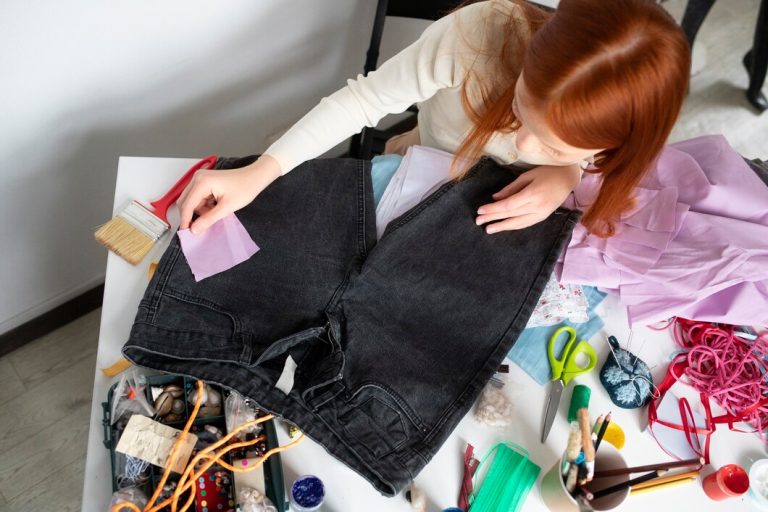
3. The “Scrap-Fabric” Garland
- Denim scraps or old cotton T-shirts.
- Cut the fabric into thin strips or triangles (bunting style) and tie them onto a length of natural twine.
- This creates a rustic, “Cottagecore” aesthetic that can be used for years and is fully washable.
III. Creative Upcycled Holiday Centerpieces
The dining table is the heart of the home during the holidays. Sustainable holiday decor here sets the tone for the entire gathering.
- The Wine Cork Tree: If you’ve been repurposing wine corks , glue them into a cone shape to create a textured, sustainable Christmas tree.
- The “Tin Can” Forest: Paint cleaned aluminum cans in shades of forest green and silver. Arrange them in clusters of different heights with sprigs of evergreen.
- Nature as Decor: Use “biological nutrients” like dried orange slices, cinnamon sticks, and rosemary. These provide a multisensory experience (scent and sight) and can be composted after the holidays, leaving zero waste behind.
IV. Benefits of Sustainable Holiday Celebrations
Moving toward a zero-waste holiday isn’t just about the environment; it provides significant psychological and financial returns.
- Reduced Financial Stress: The average person spends over 1,000 on the holidays, much of it on temporary decor and wrapping. Upcycling for holidays redirects that capital back into the family or community.
- Increased Creativity: Mass-produced decor is passive. Eco-friendly Christmas DIY is active. It turns the preparation for the holidays into a shared family activity, creating memories that are more durable than any plastic ornament.
- Educational Opportunity: Sustainable celebrations provide a visible, tangible example for the next generation of how to live a circular life.
V. The ROI of the Circular Holiday
| Holiday Asset | Retail Cost (New Plastic) | Upcycled Cost (DIY) | Circular ROI |
| Full Set of Ornaments | 80.00 | 5.00 (Flour/Salt/Twine) | 75.00 |
| Holiday Wreath | 45.00 | 0.00 | 45.00 |
| Wrapping Paper (4 rolls) | 20.00 | 0.00 (Newspaper/Boxes) | 20.00 |
| Centerpiece Display | 60.00 | 0.00 | 60.00 |
- Energy Savings: By not purchasing new plastic decor, you are opting out of the high-carbon manufacturing and international shipping sectors.
- Space Efficiency: Many upcycled decorations (like cardboard houses) can be folded flat or composted, eliminating the need for bulky “storage bins” that take up space in your home all year.
VI. Re-Thinking the Gift: “The Wrapping is the Trap”
In the linear economy, gift wrapping is the ultimate single-use item. Most “shiny” wrapping paper is coated in plastic or metallic film, making it non-recyclable.
- The Furoshiki Method: Use old scarves or fabric scraps to wrap gifts. The wrapping becomes a secondary gift or a reusable resource for the recipient.
- The Newspaper Aesthetic: Use the black-and-white print of old newspapers or the brown paper from shipping packages. Tie with natural hemp twine and a sprig of real cedar. It is a timeless, high-end look that is 100% circular.
Conclusion: A Season of True Renewal
The holidays are meant to celebrate life and the hope for a new cycle. To celebrate that renewal with permanent plastic waste is a fundamental contradiction.
How to make holiday decorations from recycled materials is a skill that restores the “spirit” to the season. By embracing sustainable holiday decor and upcycling for holidays, you prove that beauty doesn’t require a price tag or a factory. This year, let your home reflect the values of the circular economy: abundance, creativity, and the deep respect for the resources that sustain us all.
About the Author