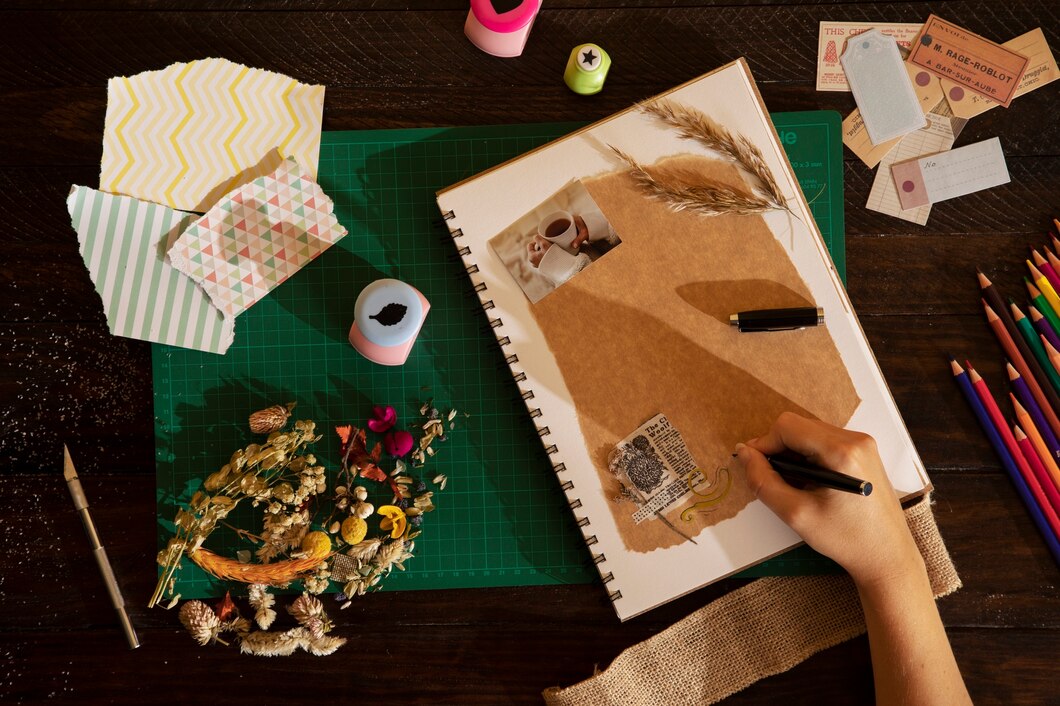
Did you know that an estimated 320 million books end up in landfills every year in the United States alone? While we often treat books as sacred objects, the reality of the publishing industry is a linear “produce-and-pulp” cycle. Thousands of encyclopedias, outdated textbooks, and damaged paperbacks are rejected by libraries and thrift stores daily. In a linear economy, these are considered “obsolete data.” In a circular economy, they are high-quality, pre-processed cellulose—a “biological nutrient” that is far too valuable to be buried or burned.
Book upcycling and paper upcycling represent a unique intersection of artistic expression and resource management. By shifting our perspective from the content of the page to the character of the paper, we can extend the life of these materials by decades. This guide provides a strategic roadmap for repurposing old books, detailing how to upcycle old books into hidden storage, exploring creative ways to reuse paper scraps, and proving that making functional home items from old paper is the ultimate way to keep the “story” of our resources alive.
I. Information as a Material Nutrient (The OREO Framework)
The transition to a circular economy requires us to value the physical substrate of information as much as the information itself.
The Problem of the “Sacred Waste”
Opinion: Refusing to upcycle a damaged or obsolete book out of “respect” for literature is a misguided sentiment that actually accelerates environmental waste.
Reason: A book is a composite of high-grade paper, glue, and often cloth or leather. When a book becomes unreadable (due to mold, damage, or outdated information like an 1994 encyclopedia), it enters a “limbo” state. It cannot be easily recycled because of the glues and dyes, and it isn’t being read. By clinging to the idea of the book while it rots, we ignore the material reality. Upcycling transforms that “dead” information into a “living” asset, preserving the fiber and the energy used to create it.
Example: A library discards a set of damaged encyclopedias. A linear consumer leaves them to be pulped—a process that uses massive amounts of water and chemicals. A circular maker takes those same books and performs book upcycling, turning them into a hollowed-out “secret safe” or a sculptural lampshade. The paper remains in use, the landfill is avoided, and the material’s history is honored through a new function.
Opinion/Takeaway: Therefore, repurposing old books is the highest form of literary respect—it ensures that the material body of the work continues to provide value, even after its words have served their time.
II. How to Upcycle Old Books into Hidden Storage
The “hollow book” or “secret safe” is the pinnacle of functional paper items. It utilizes the structural integrity of the book block to create a secure, aesthetic storage solution.
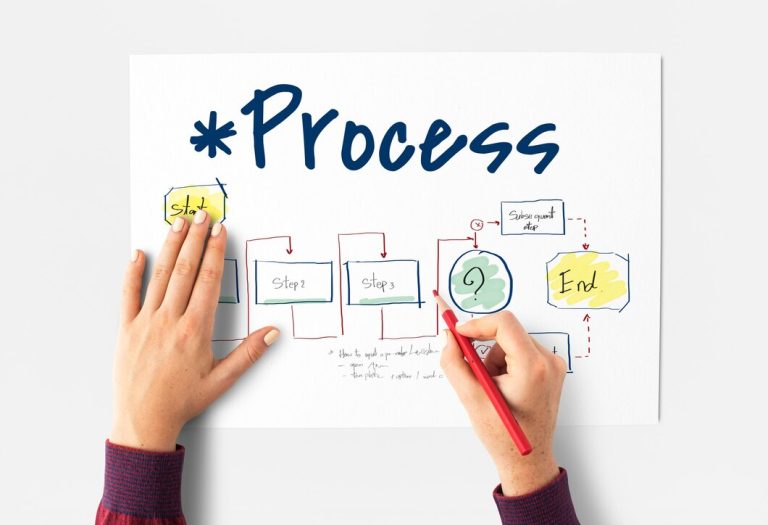
The Step-by-Step “Hollow Book” Method:
- Selection: Choose a thick, hardcover book with a sturdy spine. Outdated law books or thick textbooks are ideal for book upcycling.
- Sealing the Edges: Brush a thin layer of white glue (diluted with a little water) onto the outside edges of the pages while the book is closed. This bonds the pages together into a solid block. Let it dry for 4-6 hours.
- The Cut: Open the front cover. Using a metal ruler and a sharp craft knife, cut a rectangle into the first page, leaving a 1-inch border. Continue cutting through the pages in small increments.
- The Final Seal: Once you have reached your desired depth, brush the inside of the new “box” with more diluted glue to prevent the cut edges from fraying.
- Curing: Keep the book open while the interior dries to prevent the cover from sticking to the pages.
III. Creative Ways to Reuse Paper Scraps
In a circular household, “scraps” are simply “mini-materials.” Paper upcycling at the micro-level reduces the demand for virgin stationary products.
- Handmade Paper (The Ultimate Loop): Blend paper scraps with water to create a pulp. Spread the pulp over a mesh screen, press out the moisture, and let it dry. This creates high-end, artisanal paper for cards or art.
- Seed Bombs: Mix paper pulp with wildflower seeds and roll them into small balls. When “thrown” into the garden, the paper acts as mulch, holding moisture for the seeds as they germinate.
- Woven Paper Baskets: Slice old magazines or newspapers into long, 1-inch strips. Fold them for strength and weave them together to create durable, beautiful storage baskets.
IV. Making Functional Home Items from Old Paper
Moving beyond “crafts” and into “furniture” requires understanding the strength of paper when laminated or compressed.
1. Paper-Mache Furniture (The High-Strength Fix)
By layering paper scraps with a simple flour-and-water paste, you can create surprisingly strong functional items.
- Example: Create a “trash can” for your office using only the waste paper the office generates. This is a perfect example of a closed-loop system.
2. The Book-Pedestal Side Table
- Design: Stack 10–15 large, discarded coffee table books.
- Construction: Thread a threaded metal rod through the center of the stack and bolt it to a wooden base and top.
- Outcome: You create a heavy, stable, and visually striking piece of furniture that celebrates the aesthetic of the printed page.
V. Paper Art DIY: Aesthetic Value Recovery
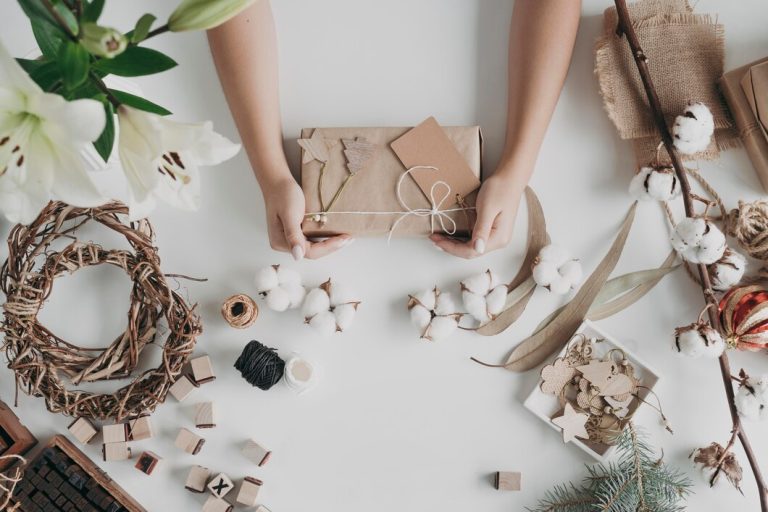
Sometimes, the best use for a resource is to simply appreciate its visual texture. Paper art DIY projects can replace expensive, mass-produced decor.
- Blackout Poetry: Take a page from a discarded book and use a marker to black out words, leaving only a few behind to create a new poem. Frame the result.
- 3D Wall Sculptures: Use old book pages to fold dozens of “origami” butterflies or geometric shapes. Mount them in a shadow box for a high-end, gallery-style piece of art.
VI. The Economic ROI of Paper Stewardship
| Item | Retail Price (New) | Upcycling Cost (DIY) | Circular ROI |
| “Secret Safe” Box | 35.00 | 0.00 | 35.00 |
| Artisanal Stationery | 15.00 / pack | 0.00 | 15.00 |
| Unique Wall Art | 100.00+ | 5.00 (Frame) | 95.00+ |
- Material Savings: Every pound of paper upcycled is a pound of paper that doesn’t need to be manufactured from virgin wood pulp, saving trees and thousands of gallons of water.
Conclusion: The Final Chapter is Never Written
The book you see on the “free” pile is not at the end of its life; it is simply waiting for its next edit. Paper upcycling allows us to take the best parts of our history—the textures, the colors, and the fibers—and rewrite them into our present.
How to upcycle old books into hidden storage is just the beginning. By exploring creative ways to reuse paper scraps and making functional home items from old paper, you move from being a consumer of stories to being an author of resources. Don’t let these “technical nutrients” go to waste; keep the pages turning and the loop closing.
About the Author