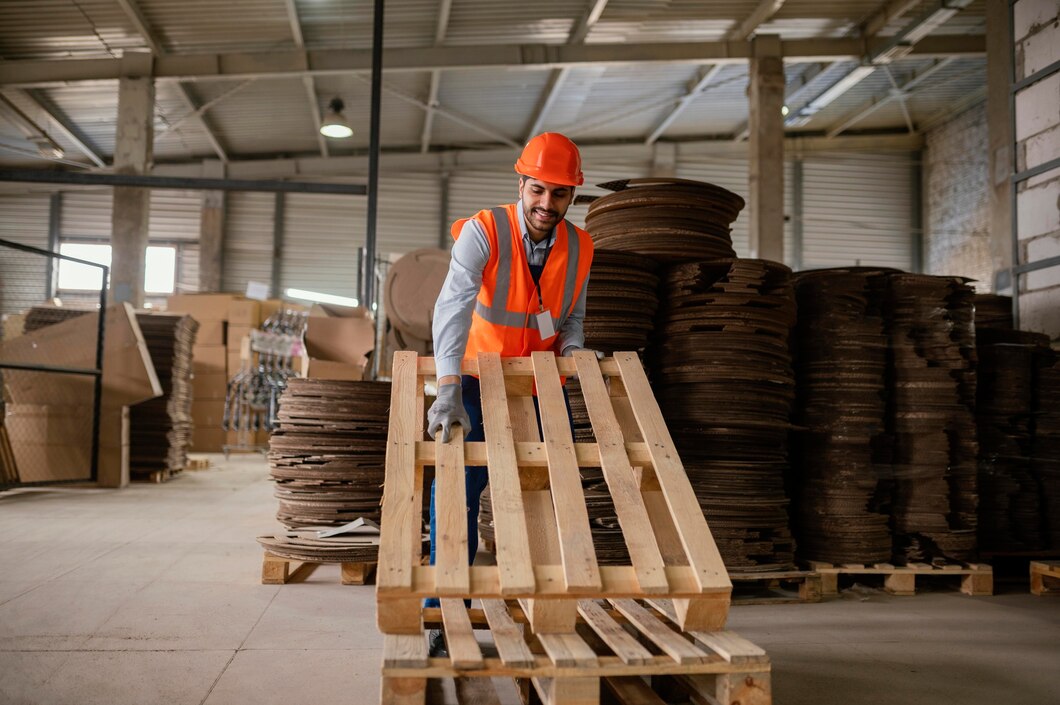
Did you know that there are over 2 billion wooden pallets in circulation in the United States alone? These humble structures are the literal backbone of the global supply chain, yet an estimated 500 million are sent to landfills every year after just a single trip. In the linear economy, a pallet is a disposable shipping accessory. In the circular economy, a pallet is a pre-milled, standardized unit of high-quality timber—often oak, pine, or maple—waiting to be transformed into high-value assets.
Pallet furniture has evolved from a “shabby-chic” trend into a sophisticated method of resource recovery. However, the transition from industrial waste to household furniture requires more than just a hammer and nails; it requires a deep understanding of material safety. This guide provides a strategic roadmap for building with pallets, detailing how to tell if a pallet is safe for furniture, exploring easy pallet furniture projects for beginners, and proving that DIY pallet projects can rival high-end retail in both form and function.
I. The Critical Threshold: Safety Over Aesthetics (The OREO Framework)
In the world of upcycling, not all “free” materials are created equal.
The Problem of Chemical Contamination
Opinion: Using a wooden pallet for indoor furniture without verifying its chemical treatment history is an act of environmental and health negligence.
Reason: Industrial pallets are often treated to prevent the spread of invasive pests. Historically, this involved Methyl Bromide (a potent neurotoxin and ozone depleter). Furthermore, pallets are used to transport everything from hazardous chemicals to raw poultry, meaning “found” pallets may be harbor invisible, toxic spills. The linear mindset ignores these risks in favor of “free wood,” but a circular practitioner knows that material purity is the foundation of a healthy home.
Example: A hobbyist builds a bed frame from a pallet stamped with “MB” (Methyl Bromide). Over months, the wood off-gasses toxic chemicals into the bedroom. The “free” furniture becomes a health liability. In contrast, a circular maker looks for the “HT” (Heat Treated) stamp, indicating the wood was sterilized using only heat. They also check for “DB” (Debarked) and avoid pallets with colorful paint (often indicating chemical pools).
Opinion/Takeaway: Therefore, understanding wood stamps and pallet history isn’t a suggestion—it is the mandatory first step in any DIY pallet projects to ensure that circularity never comes at the cost of safety.
II. How to Tell if a Pallet is Safe for Furniture: Reading the Stamps
Before you begin building with pallets, you must decode the International Plant Protection Convention (IPPC) stamps found on the side of the stringer.
The IPPC Stamp Guide:
- HT (Heat Treated): Safe. The wood was heated to a core temperature of 56°C. No chemicals were used. This is the gold standard for pallet furniture.
- DB (Debarked): Safe. Indicates the bark was removed to prevent pests; usually found alongside the HT stamp.
- KD (Kiln Dried): Safe. Similar to HT, the moisture was removed in a kiln.
- MB (Methyl Bromide): DANGEROUS. Do not use. This wood contains pesticides that can off-gas into your home.
- EUR/EPAL: These are European standard pallets. Most are Heat Treated, but always look for the additional HT mark to be sure.
III. Dismantling Pallets for DIY Projects
The hardest part of building with pallets is the deconstruction. Pallets are held together with “spiral-shank” or “ring-shank” nails designed specifically not to pull out.
The Three Methods of Deconstruction:
- The Crowbar and Hammer Method: High effort, high risk of splitting the wood. Only use this for “rustic” projects where cracks add character.
- The Pallet Buster: A specialized tool that uses leverage to lift entire boards at once. This is the most efficient way to keep the boards intact.
- The Reciprocating Saw (Sawzall): The professional’s choice. Use a metal-cutting blade to slide between the boards and the stringer, cutting the nails directly. This leaves the nail heads in the wood for a beautiful industrial aesthetic.
IV. Easy Pallet Furniture Projects for Beginners
If you are new to pallet furniture, start with projects that utilize the pallet’s natural structural integrity to minimize complex joinery.
Project 1: The Vertical Garden (Level: Beginner)
- Design: Use the pallet as-is. Staple landscape fabric to the back and bottom of the slats.
- Utility: Lean it against a sunny wall, fill with soil, and plant herbs between the slats.
- Circular Value: Repurposes the entire unit with zero waste.
Project 2: The Industrial Coffee Table (Level: Intermediate)
- Design: Stack two identical, cleaned pallets. Bolt them together.
- Construction: Sand the top to 220 grit to remove splinters. Add four heavy-duty casters to the corners.
- Value: Creates a high-design, mobile piece of furniture for the cost of the wheels and sand-paper.
Project 3: The Outdoor Sectional (Level: Intermediate)
- Design: Stack pallets two-high for the seat and lean a single pallet back for the support.
- Construction: Ensure all building with pallets joints are secured with exterior-grade screws. Finish with an eco-friendly outdoor sealant to prevent rot.
V. Pallet Furniture Design: From Rustic to Refined
The secret to a high-end DIY pallet projects outcome is the finish. A pallet that looks like a shipping crate is a “waste” project; a pallet that looks like a hardwood table is a “circular” success.
- Sanding is Mandatory: Start with 60-grit sandpaper to remove industrial grime, then move to 120, and finish with 220.
- Planing for Precision: If you have access to a thickness planer, running pallet boards through it will reveal beautiful, hidden grain and create uniform board thicknesses for tabletops.
- Eco-Friendly Finishes: Avoid toxic varnishes. Use linseed oil, tung oil, or beeswax to highlight the natural wood while keeping the piece biodegradable.
VI. The Economic and Environmental ROI of Pallets
| Item | Retail Price (New) | Pallet Project Cost | Circular Savings |
| Coffee Table | 250.00 | 25.00 (Wheels/Sand) | 225.00 |
| Outdoor Sofa | 800.00 | 60.00 (Hardware/Seal) | 740.00 |
| Wall Bookshelf | 120.00 | 10.00 (Mounting) | 110.00 |
- Material Recovery: Each pallet contains approximately 15 to 25 board feet of lumber.
- Carbon Sequestration: By turning a pallet into furniture, you keep that carbon locked in wood for decades, rather than allowing it to decompose and release methane in a landfill.
Conclusion: Turning Waste into Worth
The wooden pallet is the ultimate test of a circular mindset. Where the linear system sees a broken shipping accessory, the maker sees a resource of immense structural potential.
How to tell if a pallet is safe for furniture is the most important skill you will learn. Once safety is verified, the possibilities of pallet furniture are limited only by your imagination. By mastering DIY pallet projects, you aren’t just saving money—you are performing a vital service to the planet by reclaiming high-value timber and turning the “forgotten” wood of the supply chain into the centerpieces of your home.
About the Author