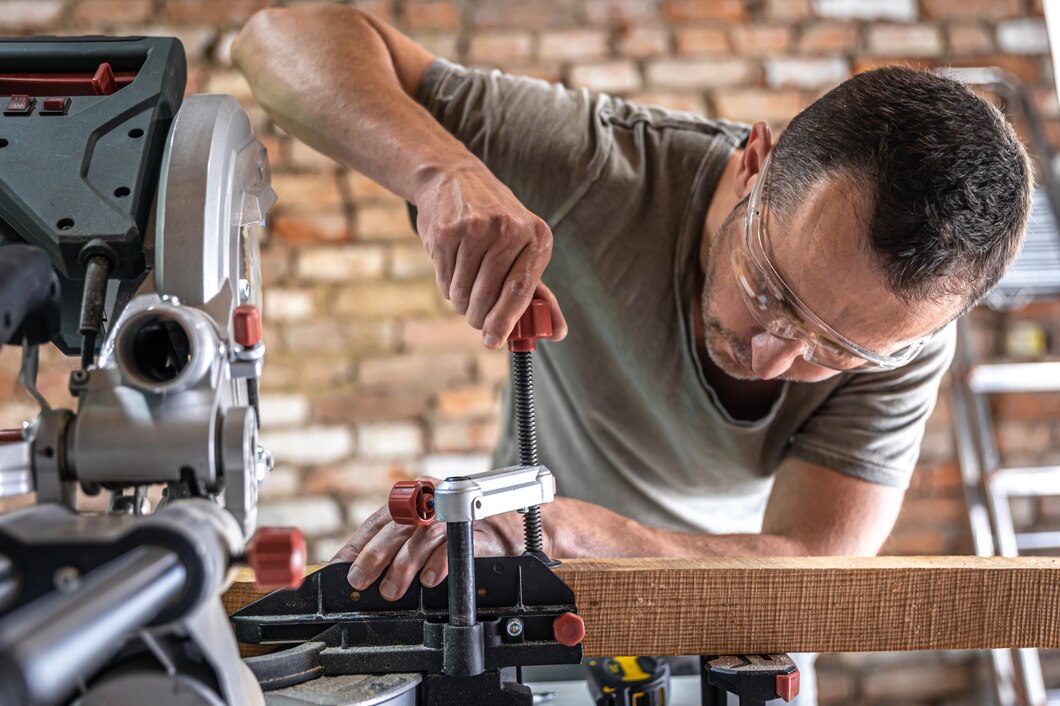
The power tool is the ultimate high-value, durable asset. A quality drill, saw, or sander contains complex motors, high-grade metals, and specialized engineering designed for decades of rigorous work. Yet, millions of power tools are prematurely discarded every year, not because the motor fails, but because simple wear-and-tear components—like carbon brushes or dried-out gear lubrication—are neglected. Power tool maintenance is a non-negotiable principle of the circular economy.
It is the proactive stewardship that maximizes the life of an asset, preserves its material value, and prevents unnecessary repurchase. This guide provides the definitive playbook for tool care, detailing the steps for replacing carbon brushes, lubricating gears, and outlining a DIY maintenance guide for power tools that ensures your tool longevity for decades to come.
I. The Material Cost of Neglect (The OREO Framework)
Ignoring basic wear-and-tear components is a direct subsidy to the linear model of replacement.
The Problem of the Worn Brush
Opinion: Discarding a power tool due to diminished performance is a financial mistake rooted in a failure to perform simple, low-cost component replacement.
Reason: The motor is the core value of a power tool. However, the motor’s functionality relies on low-cost, high-wear components like carbon brushes (which transfer electrical current). When these brushes wear down (a guaranteed event), the motor loses power, sparks, and eventually fails. The consumer’s linear impulse is to replace the entire tool, destroying the value of the perfect motor and chassis.
Example: Mark’s high-quality corded drill loses power and sparks slightly. He throws it away and buys a new one for 80. The actual fault was a set of worn carbon brushes that cost 10 and take 5 minutes to swap out. His failure in power tool maintenance cost him 70 and contributed e-waste. The circular solution is the simple replacement of the wear component, allowing the core asset to run for another decade.
Opinion/Takeaway: Therefore, mastering tool care and minor component replacement is the single most effective strategy for extending tool lifespan and achieving tool longevity against planned mechanical obsolescence.
II. The Core Circular Maintenance Protocol
Proactive power tool maintenance focuses on three critical areas that determine the lifespan of the tool.
1. Motor and Brush Maintenance (The Electrical Heart)
- The Carbon Brush: These are designed to wear down. If the tool is sparking, losing power, or cutting out intermittently, the carbon brushes need replacement.
- How to Replace Carbon Brushes: Unplug the tool. Locate the brush caps (usually accessible via two small ports on the side of the motor housing). Unscrew the caps, remove the old, worn brushes, and insert the new ones, ensuring the small springs are correctly seated. This is a crucial tool care step.
2. Gear Lubrication (The Mechanical Heart)
- The Problem: The gears inside the housing (which transmit power to the chuck or blade) rely on thick grease. This grease breaks down or dries out over time, leading to friction, heat, and eventual mechanical failure.
- The Fix: Lubricating gears is essential for tool longevity. Open the gear housing (usually a few small screws). Inspect the old grease; if it is dark, sticky, or absent, clean it out with a non-petroleum solvent. Apply new, high-quality lithium-based grease (recommended for power tools) to the gears and reassemble.
3. Motor Cleaning (The Cooling System)
- The Problem: Dust, dirt, and sawdust are sucked into the motor’s cooling vents, coating the internal components and causing overheating, which leads to premature motor failure.
- The Fix: Use compressed air to regularly blow out the motor vents and the air intakes. Never use a vacuum, as it can generate static electricity and damage the electronics. Clean motor components are essential for how to keep power tools running for decades.
III. DIY Maintenance Guide for Power Tools: Longevity Practices
Long-term extending tool lifespan is achieved through consistent habits of use and storage.
A. Storage and Cable Care
- Dry Storage: Store tools in a dry, temperature-stable environment (e.g., a toolbox or garage cabinet). Moisture and extreme temperatures corrode internal metal components.
- Cable Stress: Avoid bending the power cord tightly or straining it near the tool’s entrance point. Cord failures are a major cause of disposal. Use electrical tape to repair minor fraying immediately, or replace the entire cord if damage is severe.
B. Bit and Blade Care
- Sharpness: Use sharp, high-quality drill bits and saw blades. Dull accessories force the motor to work harder, generating excessive heat and stressing the internal components, leading to early failure.
- Battery Stewardship: For cordless tools, follow tool longevity battery protocols: store lithium-ion batteries at a partial charge (around 50%) if storing them for long periods, and avoid letting them completely drain (deep discharge shortens battery life).
C. Housing and Chassis Inspection
- Cracks: Immediately repair any cracks in the plastic housing with high-quality plastic adhesive. The housing protects the high-value internal components from dust and moisture.
- Fasteners: Regularly check that all external screws and fasteners are tight. Vibrations loosen screws, which can lead to major component damage.
IV. The Economic ROI of Tool Longevity
The financial benefit of proactive power tool maintenance drastically outweighs the minimal time investment.
- Cost Per Use (CPU): A 100 drill used for 5 years costs 20/year. If proper tool care extends its life to 25 years, the cost drops to 4/year. This is a 400% improvement in resource efficiency.
- Material Preservation: Every successful repair preserves the energy-intensive metal and polymer materials within the tool, eliminating the need for virgin material extraction.
- Skill Sharing: The simplicity of replacing carbon brushes or lubricating gears makes power tools ideal candidates for repair cafes and skill sharing workshops, promoting the circular culture of repair in the community.
Conclusion: The Durable Asset
The power tool is a masterwork of engineering, designed to be a permanent asset. The linear economy, however, tries to reduce it to a disposable commodity.
How to keep power tools running for decades is simple: regular, proactive power tool maintenance. By focusing on the high-wear, low-cost components—replacing carbon brushes, lubricating gears, and ensuring clean airflow—you protect the valuable motor and chassis. Embrace this DIY maintenance guide for power tools today, and keep your valuable tools out of the scrap pile and running strong for the next generation.
About the Author