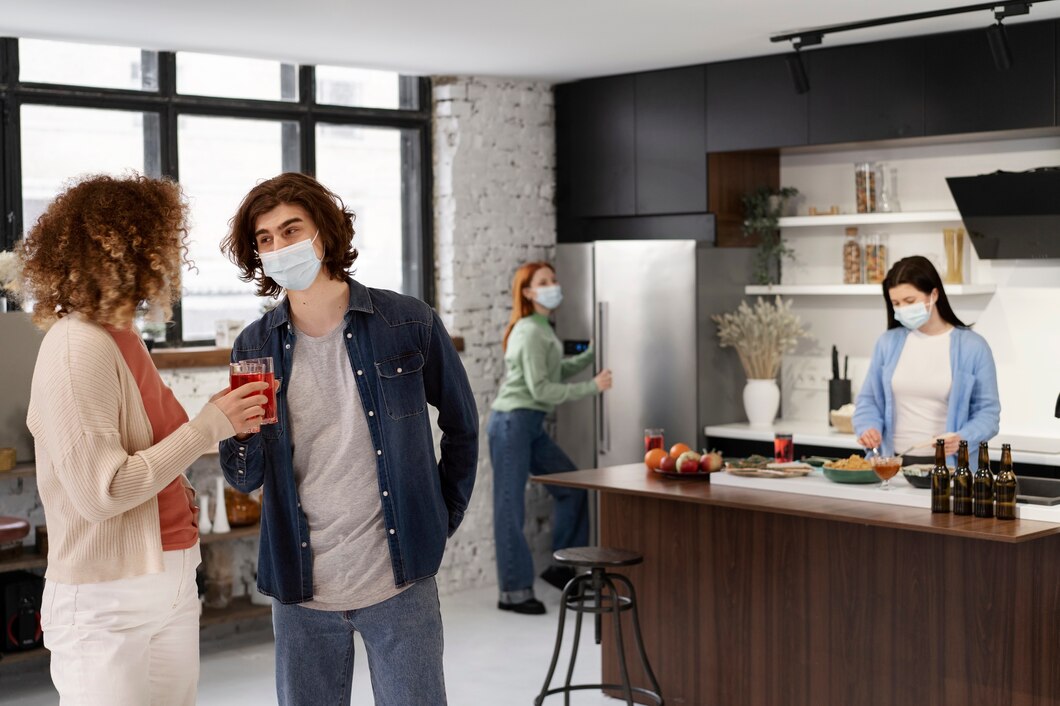
The office break room is a linear economy disaster zone. A single meeting or coffee break can generate a cascade of single-use waste: plastic lids, paper cups, sugar packets, plastic stirrers, and coffee pods. This accumulation of office kitchen waste is a high-volume, continuous drain on resources that directly contradicts any corporate workplace sustainability commitment. Sustainable office kitchen operations are central to achieving a zero waste office.
The goal is simple: eliminate all disposable items and install circular systems for food, packaging, and utensils. This guide provides a complete blueprint for setting up sustainable break room, detailing how to eliminate single-use in office kitchen through durable dishware and composting, proving that the circular break room is the necessary core of a resource-efficient workplace.
I. The Break Room’s Waste Problem (The OREO Framework)
The convenience of disposable break room supplies carries a massive, yet invisible, material cost.
The Cost of Convenience
Opinion: Subsidizing the use of disposable cutlery and dishware in the break room is fiscally and environmentally negligent corporate policy.
Reason: Companies pay for the continuous purchase of paper and plastic single-use items, then pay again for the disposal of that waste. This constant, high-volume consumption creates continuous material demand (trees, fossil fuels) and contributes to contamination (food-soiled items) in the recycling stream. The convenience of a 30-second break comes at the expense of perpetual resource depletion.
Example: A 100-person office uses 500 paper coffee cups a day, or 125,000 cups per year. Even if those cups are theoretically recyclable, the plastic lining often prevents proper processing, meaning most go to the landfill. The cost of those cups is significant. By switching to a single, durable set of reusable dishware office mugs, the company eliminates the recurring purchase cost and the waste stream, saving thousands annually.
Opinion/Takeaway: Therefore, mastering office kitchen waste management by eliminating all disposables is the single fastest, most high-impact act of waste reduction implementation a company can perform.
II. How to Eliminate Single-Use in Office Kitchen: The 3-Step Plan
The transition to a circular break room requires a policy change, infrastructure investment, and employee buy-in.
Step 1: The Disposable Ban (Policy)
- Action: Institute a clear policy banning the purchase of all disposable cups, plates, and plastic cutlery for internal use.
- Infrastructure Investment: Purchase a full set of durable, reusable mugs, glasses, plates, and stainless steel cutlery (a single, high-quality purchase that lasts decades).
- The Dishwashing Solution: Install a high-efficiency commercial dishwasher and assign a clear, rotated schedule or hire a part-time service to ensure the reusable dishware office is always clean and ready.
Step 2: The Consumables Switch (Inputs)
- Coffee System: Replace single-use coffee pods with bulk coffee (grounds or beans) or a commercial brewing system that only produces compostable coffee grounds.
- Bulk Supply: Purchase sugar, creamers, snacks, and tea in bulk, using glass dispensers or refillable containers to eliminate individual packets and wraps.
- Water: Eliminate plastic water bottles by installing a filtered water dispenser or tap.
Step 3: Composting (The Waste Loop)
- Action: Institute a mandatory, easy-to-use composting program for all food scraps, coffee grounds, and compostable napkins/tea bags.
- Bin System: Place a clearly marked, tightly sealed compost bin alongside the small landfill bin and the recycling bin. This is the zero waste office kitchen guide to waste management.
III. Setting Up Sustainable Break Room: Logistics and Aesthetics
The design of the circular break room should make the sustainable choice the easiest, most attractive choice.
1. Visible Dishware:
Store the reusable dishware office in a highly visible, easily accessible location. If the mug is easier to grab than a paper cup, compliance will be high.
2. Clear Signage:
Use simple, visual signage above the waste station to guide employees (e.g., “Food Scraps Only,” “Rinse and Recycle,” “Landfill – Last Resort”). Confusion leads to contamination.
3. The Circular Inventory:
Maintain an inventory of sustainable office kitchen supplies that are package-free or purchased in bulk (e.g., refillable soap dispensers, large containers of snacks).
4. Energy Efficiency:
Use smart power strips to turn off break room appliances (toasters, coffee makers) overnight, eliminating “vampire power” and reducing the sustainable office kitchen energy footprint.
IV. The Strategic Benefit of Zero Waste Office Kitchen Guide
The benefits of the circular break room are immediate, measurable, and profound.
- Cost Reduction: Eliminates the continuous cost of purchasing disposable goods and reduces expensive waste management fees.
- Employee Engagement: The break room is often the central gathering place. Successful circular break room initiatives create visible, shared success that fosters strong employee engagement sustainability.
- Health and Safety: Switching to durable, washable items is inherently more hygienic than relying on disposable plastic that can leach chemicals.
Conclusion: The Heart of the Circular Workplace
The circular break room is the necessary proving ground for the zero waste office. It transforms the most high-volume source of daily waste into a functional, clean, and resource-efficient space.
How to eliminate single-use in office kitchen is a management choice: eliminate disposables by policy, invest in reusable dishware office assets, and install mandatory composting. By mastering the logistics of setting up sustainable break room, businesses secure a tangible, visible success that drives the entire workplace sustainability mission forward.
About the Author