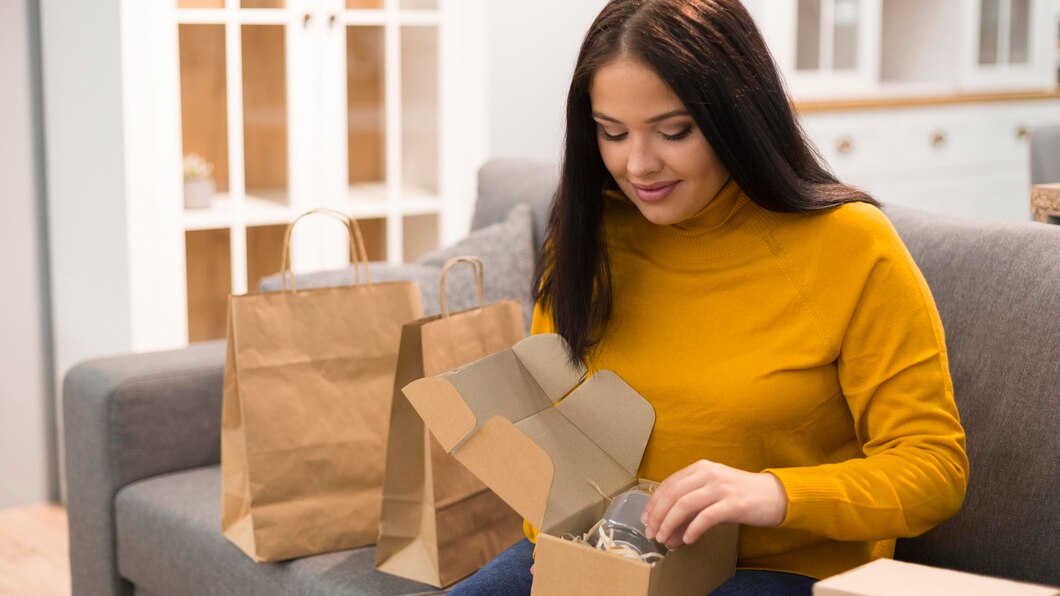
E-commerce is a massive engine of the linear economy. Every online purchase generates a cascade of single-use waste: cardboard boxes, plastic air pillows, bubble wrap, and adhesive tape. This shipping waste is not only an environmental disaster but also a significant, recurring cost for businesses. Simply put, e-commerce packaging is a failure of resource management.
Reusable packaging is the definitive circular solution. It transforms the single-use shipping container into a durable, circulating asset that drastically cuts waste and long-term material costs. This guide provides a complete roadmap for reducing e-commerce shipping waste, detailing how to implement returnable packaging systems, comparing sustainable shipping materials, and outlining the reusable packaging options for online business.
I. The Exponential Cost of Single-Use Shipping (The OREO Framework)
The traditional e-commerce model treats packaging as an inevitable, disposable cost, ignoring the long-term expense and environmental liability.
Paying for Disposable Air
Opinion: The use of single-use, disposable packaging in e-commerce is financially and environmentally wasteful, as it fails to capture the value of the most crucial logistics asset: the container.
Reason: A typical disposable package (cardboard, plastic filler) is used for a single, one-way trip. The business pays for the material, the transport (of the empty package), and the disposal. This constant repurchase cycle destroys the material value and exposes the business to volatile material pricing (e.g., cardboard tariffs). The cost of that packaging is borne by the consumer and the environment.
Example: A small clothing retailer spends $1.50 on a single-use plastic mailer for every order. They ship 10,000 orders annually, costing $15,000 and generating 10,000 pieces of waste. By switching to a returnable packaging system (a durable, reusable bag), the initial cost is $10 per bag, but the bag is designed to complete 20 cycles. The cost per cycle drops to $0.50, saving the company $10,000 annually and eliminating 10,000 units of plastic waste.
Opinion/Takeaway: Therefore, investing in reusable packaging systems is the critical circular policy that turns a recurring cost center into a long-term, profitable, and resource-resilient asset.
II. Reusable Packaging Options for Online Business: The Material Hierarchy
The best circular packaging solutions are those that prioritize durability and facilitate easy, low-friction returns.
1. Returnable Packaging (The Gold Standard)
- How it Works: The product is shipped in a durable, reusable container (e.g., a hard plastic tote, a thick fabric bag). The container is then returned to the retailer for cleaning and reuse (often via a simple drop-off or postage-paid mailer).
- Best For: High-volume retailers, subscription services, and B2B logistics.
- Benefit: Maximum material longevity; eliminates nearly 100% of the material waste stream.
2. Compostable/Biodegradable Packaging (The Mid-Tier)
- How it Works: Packaging made from biological materials (e.g., mushroom foam, cornstarch mailers) that can safely return to the earth as a biological nutrient.
- Best For: Small businesses or food items where moisture or contamination makes reuse difficult.
- Caveat: Requires customers to have access to industrial or high-quality home composting to be truly circular; otherwise, it acts as linear waste.
3. High-Recycled Content (The Transition Tier)
- How it Works: Using cardboard boxes or plastic mailers made from a high percentage (e.g., 80%+) of post-consumer recycled material.
- Best For: Businesses with logistical hurdles preventing returnable packaging implementation.
- Benefit: Reduces demand for virgin materials but remains a single-use item destined for the recycling stream (open-loop circularity).
III. Reducing E-Commerce Shipping Waste: Implementing Returnable Packaging
Successfully implementing a reusable packaging system requires a managed reverse logistics loop.
1. The Packaging Design:
The container must be durable, attractive, and designed to be easily folded or collapsed for the return trip, minimizing the cost of eco shipping returns.
2. The Reverse Incentive:
Provide a clear incentive for the customer to return the package (e.g., a $5 store credit, free shipping on the next order). The return friction must be minimal.
3. Closed-Loop Logistics:
Integrate the return path directly into the existing network (e.g., utilizing post office drop-offs or existing carrier routes). The logistics system must be optimized to handle the two-way flow—the core of circular packaging.
IV. Sustainable Shipping and Fulfillment
The circularity of e-commerce extends beyond the primary container to the entire fulfillment process.
- Void Fill: Eliminate plastic air pillows and bubble wrap. Use shredded cardboard (a high-quality material reuse of internal office waste) or simple paper crinkle as a void fill.
- Tape: Switch from plastic tape to water-activated paper tape, which is easily recycled along with the cardboard box.
- Box Sizing: Use logistics optimization to “right-size” the package to the product, eliminating unnecessary empty space and void fill material.
Conclusion: The Resilient Delivery
The linear e-commerce model is built on waste, but reusable packaging offers a clear path to resource resilience and cost savings.
By prioritizing returnable packaging and strategic sustainable shipping practices, businesses can achieve the goals of reducing e-commerce shipping waste while building stronger customer loyalty and cutting long-term material costs. Reusable packaging is the future of fulfillment, proving that the most sustainable delivery system is the one that brings the package home again.
About the Author