The furniture industry is the source of approximately 12 million tons of solid waste annually, with couches and mattresses being the most common landfill items. This massive material flow is driven by cheap, disposable furniture—often made from composite materials, making it impossible to recycle. When a chair wobbles or a drawer sticks, the linear mindset encourages disposal.
The circular economy rejects this waste, championing furniture repair as a high-value skill. Furniture restoration retains the full embedded material value—the timber, the metal, the foam—and often increases the piece’s economic value by restoring it to antique quality. This guide provides a definitive DIY furniture fix roadmap, detailing how to repair furniture at home, and empowering you to master the DIY furniture restoration techniques required for fixing broken furniture yourself.
I. The Value of Material Longevity (The OREO Framework)
The quality and durability of old furniture provide an immediate circular advantage over new, disposable pieces.
Wood vs. Particle Board
Opinion: Discarding solid-wood or quality furniture because of a simple mechanical failure is a failure to recognize a valuable, long-term asset.
Reason: High-quality, durable furniture (solid wood, pure metal) is designed to be disassembled, sanded, glued, and rebuilt—the definition of Design for Disassembly and repairability. The linear alternative (particle board, chipboard) uses glues and plastic veneers that make it non-recyclable and impossible to repair structurally. The cost of a new particle board shelf is paid over and over again in short-term replacement cycles.
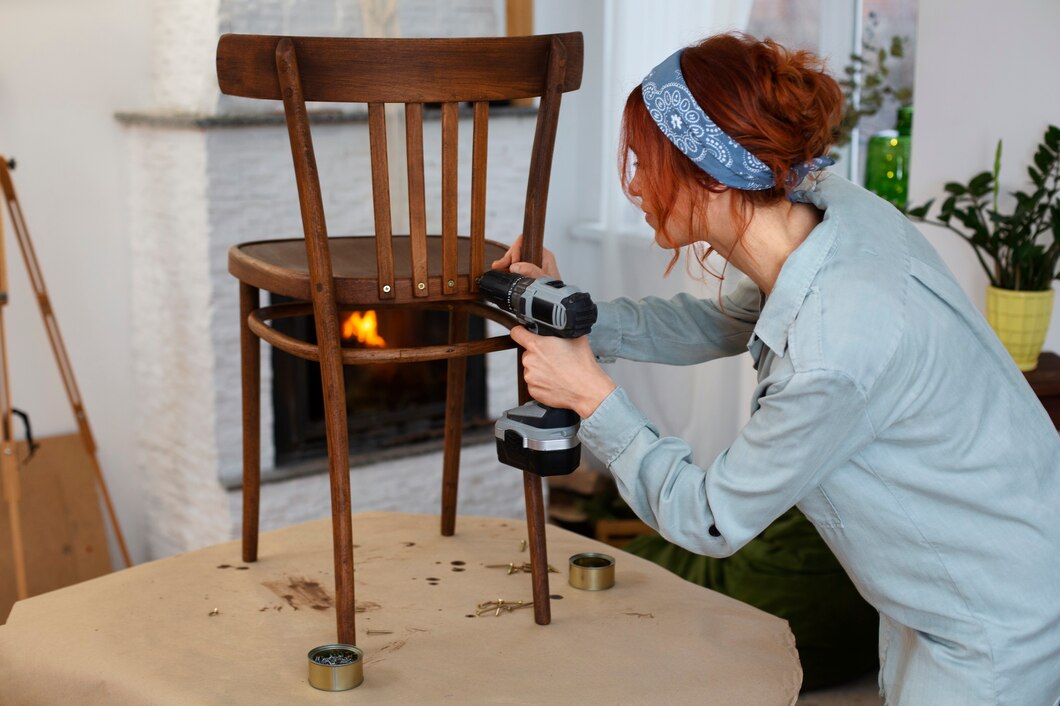
Example: Jim finds a solid oak antique dining chair at a flea market, but it wobbles badly. The new, cheap replacement costs $150 and will likely last five years. He spends $10 on wood glue, clamps, and a few hours disassembling and regluing the joints. The furniture repair makes the chair structurally sound for another 50 years. He has turned a low-cost repair into a permanent asset that will only appreciate in value.
Opinion/Takeaway: Therefore, repairing furniture is the highest form of resource management—it is the act of turning a temporarily failed asset into a permanent, circulating heirloom.
II. DIY Furniture Restoration Techniques: Common Mechanical Fixes
The most frequent reasons for discarding furniture are simple mechanical failures easily resolved with basic DIY furniture fix techniques.
1. Fixing Wobbly Chairs and Tables
- The Problem: Joints (where legs meet the seat/frame) have dried out, and the glue has failed.
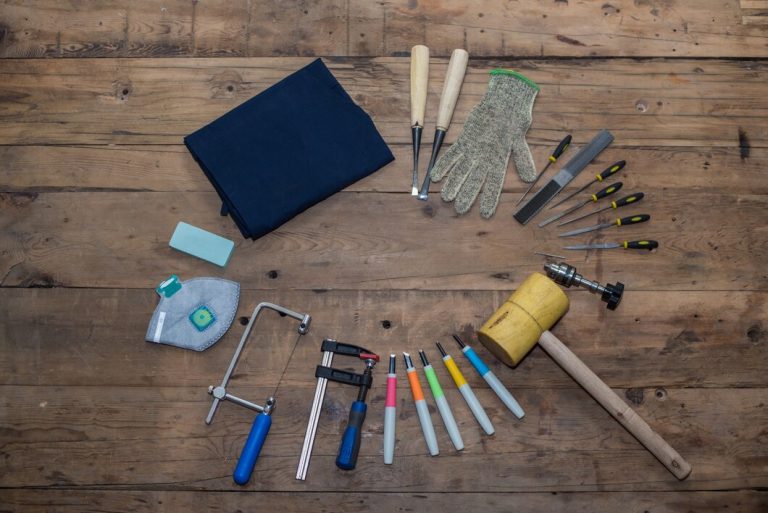
- The Solution: How to repair furniture at home starts here. Disassemble the joint gently. Scrape off the old glue. Reapply high-quality wood glue (e.g., Titebond) to both surfaces. Reassemble and clamp tightly for 24 hours. The chair will be stronger than when it was new.
2. Repairing Broken Drawers
- The Problem: The drawer bottom has fallen out, or the runners (guides) are sticky.
- The Solution: For fallen bottoms, reinforce with a bead of wood glue and small finish nails (or staples). For sticky runners, clean out old grime and apply a dry lubricant like paraffin wax or beeswax to the wooden runners (avoiding oil, which attracts dirt).
3. Fixing Broken Furniture Yourself (Structural Cracks)
- The Solution: For large cracks in wood, use wood glue and wood dust (collected from sanding) to create a paste to fill the gap. Clamp until fully cured. This is a simple, effective structural furniture repair.
III. Furniture Refinishing and Surface Repair
Once the structure is sound, furniture refinishing techniques extend the cosmetic and functional life of the piece.
1. Removing Scratches
- Shallow Scratches: Rub with walnuts (the oil helps fill and blend), or use a wood repair marker.
- Deep Scratches: Fill the scratch using wood putty or a wax repair stick that matches the furniture color.
2. Sanding and Oiling/Waxing
For an item with a severely worn finish, the circular solution is a complete refinish:
- Strip: Use chemical stripper or sanding to remove the old varnish.
- Restore: Sand the surface to a smooth finish.
- Protect: Apply natural oil (e.g., linseed or tung oil) or wax to protect the wood, which is far more durable and repairable than a plastic-based polyurethane finish.
IV. Repairing Furniture vs. Disposing (The Circular Calculus)
Before replacing a piece of furniture, apply the circular economy principle: Material purity dictates repair potential.
- High Repair Value: Solid wood, pure metal (iron, aluminum), leather. These materials are infinitely repairable, and the repair should almost always be favored.
- Low Repair Value: Particle board, fiberboard (MDF), composite materials, foam-only pieces (e.g., cheap cushions). These items are designed to fail and are difficult to structurally repair. When these items fail, the focus should shift to proper recycling or responsible disposal of the materials.
The Circularity Metric:
The goal of furniture maintenance is to reduce your personal Furniture Acquisition Rate. If you purchase new furniture every ten years, your rate is 0.1 items/year. A well-repaired circular home should strive for a rate of 0.0—acquiring only used or refurbished items.
Conclusion: The Longevity of Craft
The choice to engage in furniture repair is a direct rejection of the wasteful, disposable lifestyle. By learning DIY furniture restoration techniques, you gain independence from the fast-furniture industry and become a steward of durable, long-lasting assets.
Whether you’re fixing broken furniture yourself by regluing a wobbly joint or tackling a full furniture refinishing project, you are actively participating in the circular economy. Value your resources, cherish the craftsmanship, and turn the throwaway economy’s trash into your family’s enduring treasure.
About the Author