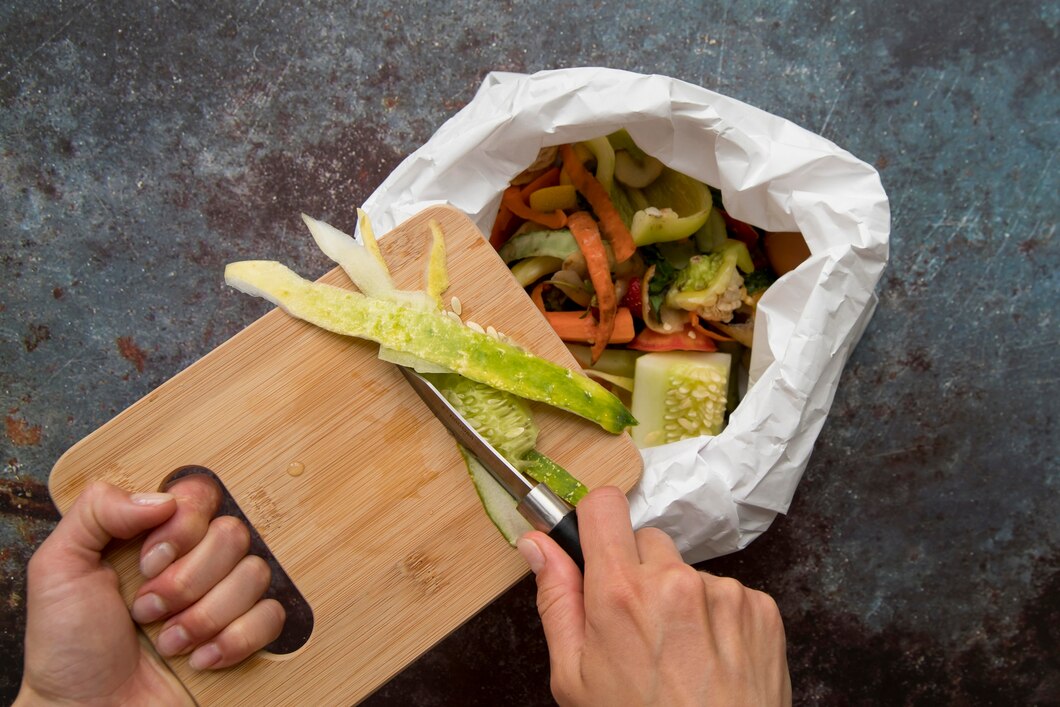
The typical family of four in the U.S. throws out roughly $1,500 worth of food every single year. This isn’t just a staggering financial cost; it’s a massive circular economy failure. All the resources—water, land, energy, and labor—embedded in that food are permanently lost, only to turn into methane gas in a landfill. The most immediate, highest-impact way to live circularly is through food waste reduction.
Food waste prevention is the ultimate form of resource management, proving that the most sustainable product is the one that is never wasted. This guide provides the complete, three-step strategy for how to reduce food waste at home: mastering smart purchasing through meal planning zero waste, maximizing shelf life with expert food storage tips, and embracing creative ways to use food scraps and leftovers.
I. The Economic Leak: Why We Waste (The OREO Framework)
Food waste is primarily an information failure, not a moral one. We buy too much, we store it incorrectly, and we lack the knowledge to use what’s left.
The Myth of Abundance
Opinion: The unconscious act of discarding unused food is the single most expensive habit supported by the linear economy.
Reason: The linear system relies on consumers treating food as a perpetually replaceable, cheap commodity. This mindset encourages over-purchasing and discourages the necessary effort to track, store, and utilize all parts of an ingredient. The cost of disposal is hidden, making the financial impact invisible until you calculate the annual loss.
Example: Sarah buys a large bag of cilantro, knowing she only needs a quarter of it for a single dinner. By the time she remembers the rest, it’s a slimy mess and goes into the bin. She paid for 100% of the herb, consumed 25%, and wasted 75%. If she had implemented simple food storage tips (like placing the cilantro in a glass of water, covered, in the fridge), the entire bag would have stayed fresh for two weeks, retaining its full value and preventing the environmental cost of its decomposition in a landfill.
Opinion/Takeaway: Therefore, food waste prevention must be prioritized because it transforms a constant expense and environmental liability into immediate financial savings and 100% resource utilization.
II. Step 1: Meal Planning Zero Waste (The Refusal Stage)
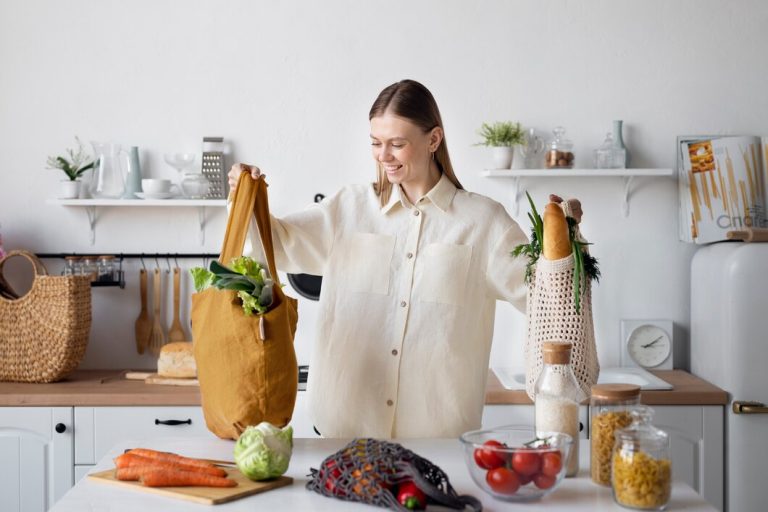
The battle against food waste is won before you enter the grocery store. Meal planning zero waste means buying only what is necessary and what you have a definitive plan for.
The Two-List Approach
- The Inventory List: Before writing a meal plan, audit your fridge, freezer, and pantry. List every item that is close to expiring (The “Eat Me Now” list) and every staple you already have (The “Don’t Buy” list).
- The Meal Plan: Build your recipes for the week around the expiring items on your inventory list. For example, if you have wilted carrots and onions, the plan must include “Veggie Stock and Soup.”
- The Purchase List: Only write down the exact ingredients needed to supplement your inventory for the planned meals. This eliminates impulse buys and prevents ingredient duplication.
- Tip: Avoid recipes that call for tiny amounts of a specialty, perishable ingredient unless you have a second recipe planned to use the rest. This is a core food waste prevention strategy.
III. Step 2: Food Storage Tips (The Life Extension Stage)
Proper storage is the science of extending a product’s life to maximize the time you have to consume it.
Maximizing Freshness with Food Storage Tips
| Produce Item | Traditional (Wasteful) | Circular (Life Extension) |
| Berries (Soft Fruit) | Stored immediately in the plastic clamshell. | Wash with a water/vinegar solution (10:1 ratio), dry completely, and store in a sealed, glass container. |
| Avocados/Limes (Cut) | Covered with plastic wrap; browns rapidly. | Store the cut side down in a small glass container with a cut piece of onion, or a small amount of oil, to slow oxidation. |
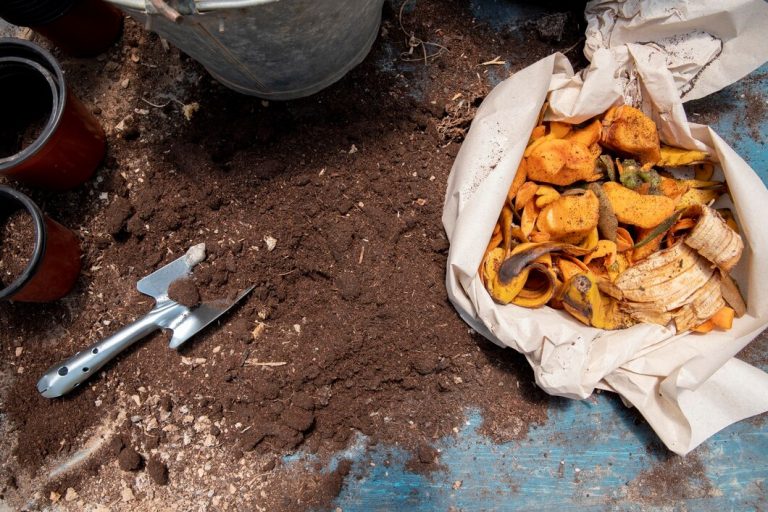
| Vegetable Scraps | Thrown away or composted immediately. | Store in a dedicated bag in the freezer for future use as vegetable stock (the using food scraps strategy). |
| Bread | Left on the counter; goes stale/molds fast. | Slice and freeze immediately. Toast slices as needed. |
The Freezer is the Lockbox: The freezer is your most important tool for reduce food waste. Portion meals, leftovers, and raw ingredients before they spoil, and freeze them immediately. Label everything with the date.
IV. Step 3: Creative Ways to Use Food Scraps
Even after careful planning and storage, you will have scraps and leftovers. The final stage of circularity is ensuring these remnants are fully utilized.
Mastering Leftover Recipes and Scraps
- Broth and Stock: This is the easiest, most frequent way of using food scraps. Keep a bag in the freezer for vegetable peels (onion skins, carrot ends, celery tops), herb stems, and meat bones. Once full, boil these down to create nutrient-dense, free stock.
- Scraps to Snacks/Sauces:
- Stale Bread: Use for croutons, bread pudding, or turn it into breadcrumbs.
- Wilted Greens: Don’t throw them out! Blend them into sauces, pestos, or smoothies, where their texture loss is masked.
- Leftover Rice/Pasta: Convert into a completely new meal like fried rice, frittatas, or pasta salad.
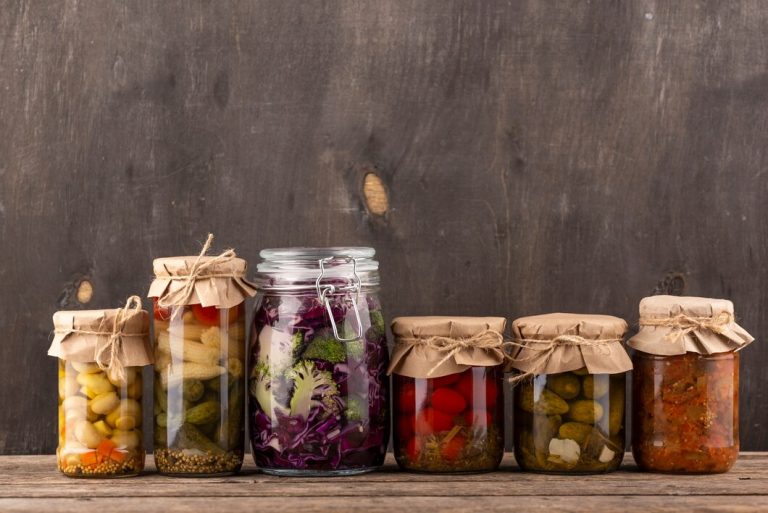
- The Quick Pickle: Use leftover, slightly soft vegetables (carrots, bell peppers, cucumbers) for a quick, homemade pickle or ferment, extending their life by weeks.
The Circularity Mindset
The difference between a master circular manager and a conventional consumer is the ability to see a scrap (e.g., broccoli stems) not as waste, but as a valuable ingredient (e.g., delicious broccoli slaw).
Conclusion: Value Retention is Key
Food waste reduction is a skill, not a chore. It demands attention to detail at every stage, from inventory to consumption. By implementing strategic meal planning zero waste, adopting smart food storage tips, and embracing creative ways to use food scraps, you are not just saving your budget; you are actively fulfilling the circular economy mandate of eliminating waste and regenerating resources.
Start today by checking your fridge for the nearest expiration date, and plan your next meal around that item. This small change is the foundation of a truly sustainable and resilient household.
About the Author